
Your Pmax is full of Spam
⚠️Stop trying to fix Pmax placements for every small issue, Big moves from Anthropic, OpenAI, and Stanford last week, and more!
Hey there Smarty 👋
Are you geared up to catch the latest and greatest in quick shorts?
And just a quick heads-up! If you stumbled upon us through a friend, make sure to subscribe here! That way, you’ll never miss out on the trending shorts.

Together with Tatari
Your CAC problem isn't in Meta. The fix isn't either.
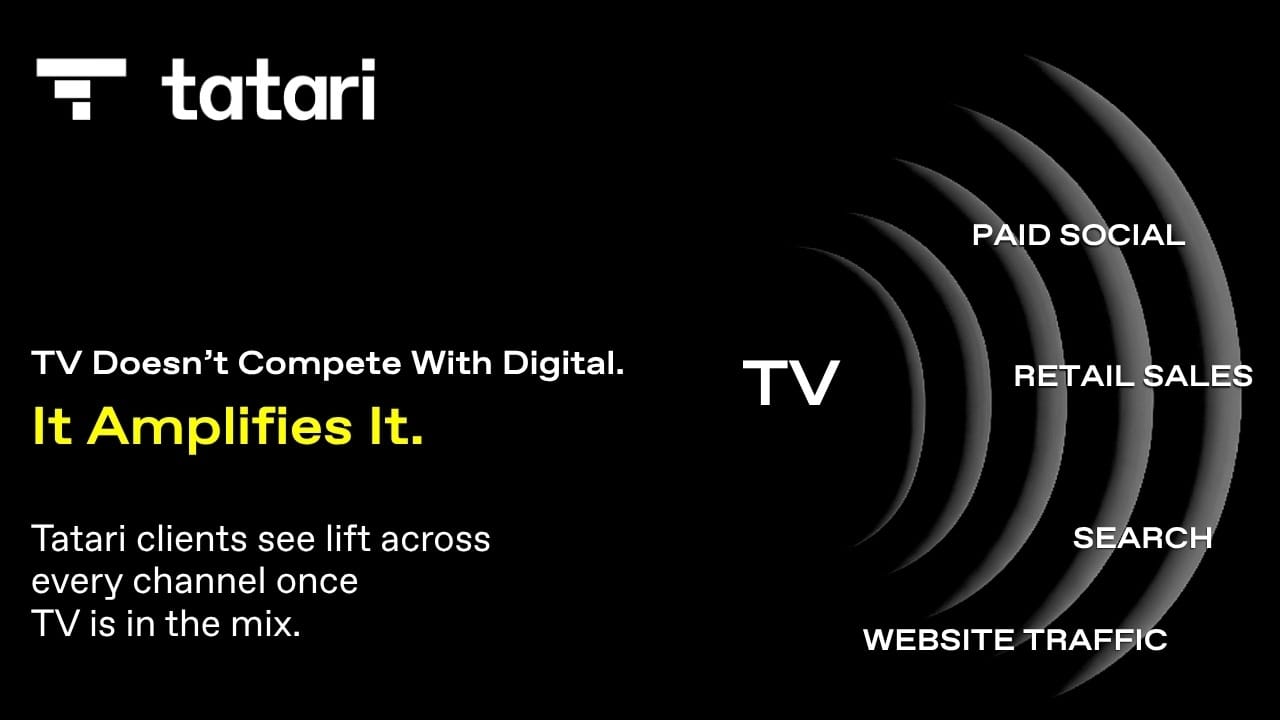
Most performance marketers keep optimizing inside the problem. Better creative, tighter audiences, more testing while CAC climbs and reach stalls quietly.
The brands still compounding aren't finding a Meta fix. They're getting off the ceiling entirely.
Jones Road Beauty added TV through Tatari. Within the first month:
- Meta efficiency improved as net-new audiences hit the algorithm with fresh signals
- Branded search climbed as TV drove discovery at the top of the funnel
- In-store customers started citing TV as how they first found the brand
TV now runs at 20-25% of Jones Road's spend during peak. Not a test budget. A core growth channel.
Fabletics saw the same shift. Once TV was in the mix, the point of diminishing returns on Facebook got pushed out. Same spend, more room to scale.
This is the halo effect. Tatari measures it in real time alongside your digital channels, so you can see what TV is unlocking across your whole stack.
Over 400 brands, including Chime, Calm, and Ro, have made TV their growth multiplier.
Every week you wait is a week someone in your category is pulling customers you could have reached first.
Want to see what it does for your channels? Schedule a demo here.
⚠️The Reason Your PMax Campaign Is Full of Spam
Most teams inherit a PMax problem and immediately go looking for a placement issue. They tighten negatives, restrict asset groups, kill Display. Reasonable instincts. Wrong diagnosis.
The real problem is almost always what you told the algorithm to find.
Why PMax amplifies bad signals faster than anything else
Standard Search is constrained by keywords. You control the query environment. PMax has no such guardrails. It runs across Search, Display, Gmail, YouTube, Discover, and Maps simultaneously, hunting for conversion volume across all of them at once. A weak conversion signal doesn’t produce mediocre results.
It produces spam at scale, fast, because the algorithm is exceptionally good at finding the cheapest people willing to complete whatever action you defined as a win.
We inherited an account recently. Eight call bookings in week one. Six were spam. Tracking healthy, negatives tight, audience signals current, asset groups clean. The problem was the objective. We were optimizing for “book a call.” PMax found the cheapest humans willing to click a calendar link. It did its job perfectly.
The signal quality hierarchy Not all conversion events are equal:
- Form fill / book a call: High volume, fast learning, weak signal. Captures intent to engage, not intent to buy. Bots, job seekers, and curiosity-clickers all qualify.
- Showed up to the call: Filters for genuine interest. Slower learning, meaningfully stronger signal. This was our fix: a custom event firing into Google Ads once the sales rep updates the CRM.
- Closed deal / offline revenue import: The strongest signal. Trains the algorithm on actual buyers. Requires clean CRM matching and enough volume to feed the model.
Booking volume dropped after the switch. Every lead that came through attended.
The tradeoff you have to manage
Further-funnel events are stronger but lower volume. PMax needs roughly 30 to 50 conversions per month to learn effectively. If “showed up” or “closed deal” events fall below that threshold, the model starves.
The rule: use the furthest-funnel event that still hits volume. If closed deals give you 40 per month, use that. If they give you eight, use “showed up” and import closed deals as a secondary signal without optimizing toward it.
The question to ask before every PMax build
Is the conversion event you’re optimizing toward something a spam account could complete?
If yes, you’re not running a lead gen campaign. You’re running a spam magnet with a Google Ads invoice.
🤖 Claude Design, ChatGPT Ads, and the Stanford AI Report All Dropped Last Week
Anthropic launched a Figma rival, advertisers shared early ChatGPT ad results, and Stanford published its most comprehensive AI report yet, here is everything worth knowing.
The Breakdown:
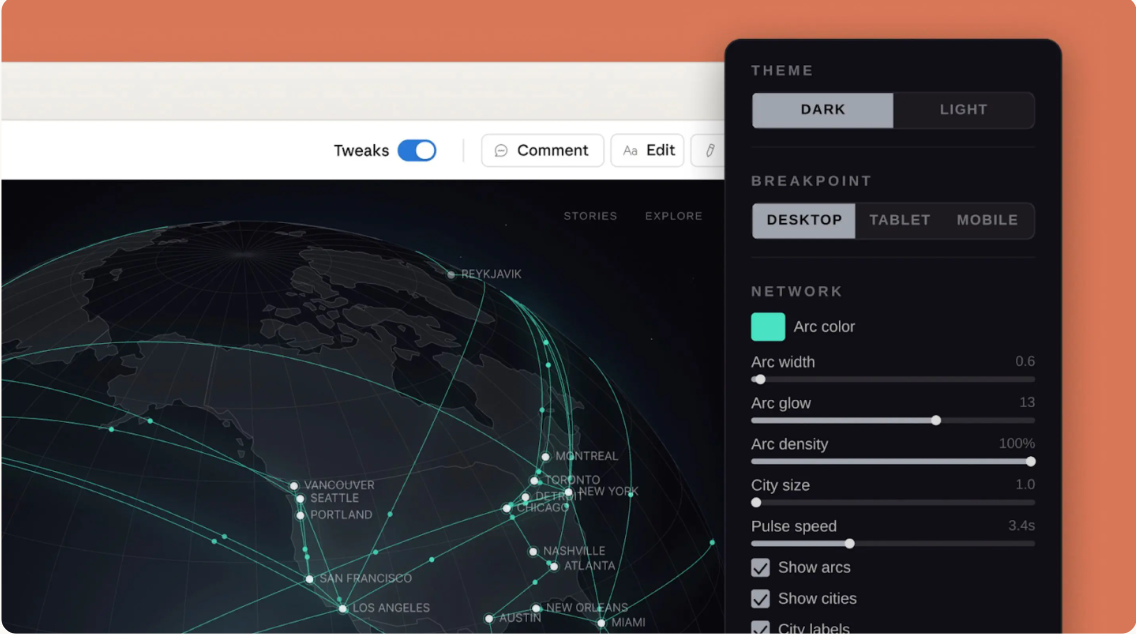
Claude Design Is Live - Anthropic launched Claude Design this week, letting anyone build prototypes, decks, and marketing assets just by describing what they need. Your brand system gets integrated from the start and applies automatically to every project.
No Dev Queue Required - Finished pitch decks export directly to PPTX or Canva. Interactive prototypes need no code review. When a design is ready, Claude packages it into a handoff bundle that passes straight to Claude Code with one instruction.
ChatGPT Ads Are Still Very Early - Advertisers report six-figure minimums, high CPMs, and almost no transparency into performance. Sponsored retailers are already surfacing higher in recommendations, raising real questions about whether ads will eventually corrupt the answers ChatGPT is known for.
AI Everywhere, Clock Reading Optional - Stanford found generative AI hit 53% global adoption in three years, faster than PCs and the internet. Global AI investment hit $581 billion in 2025, up 130%, yet the same models still misread analog clocks.
Google's AI Overviews and AI Mode recommend different URLs for the same query 87% of the time. Two products, one company, not much consensus. Starting April 21, new Google Ads API authentications require a second factor; update your workflows before it affects new credential generation.
Together with The Shift
Stop Reading About AI. Start Getting Results From It.
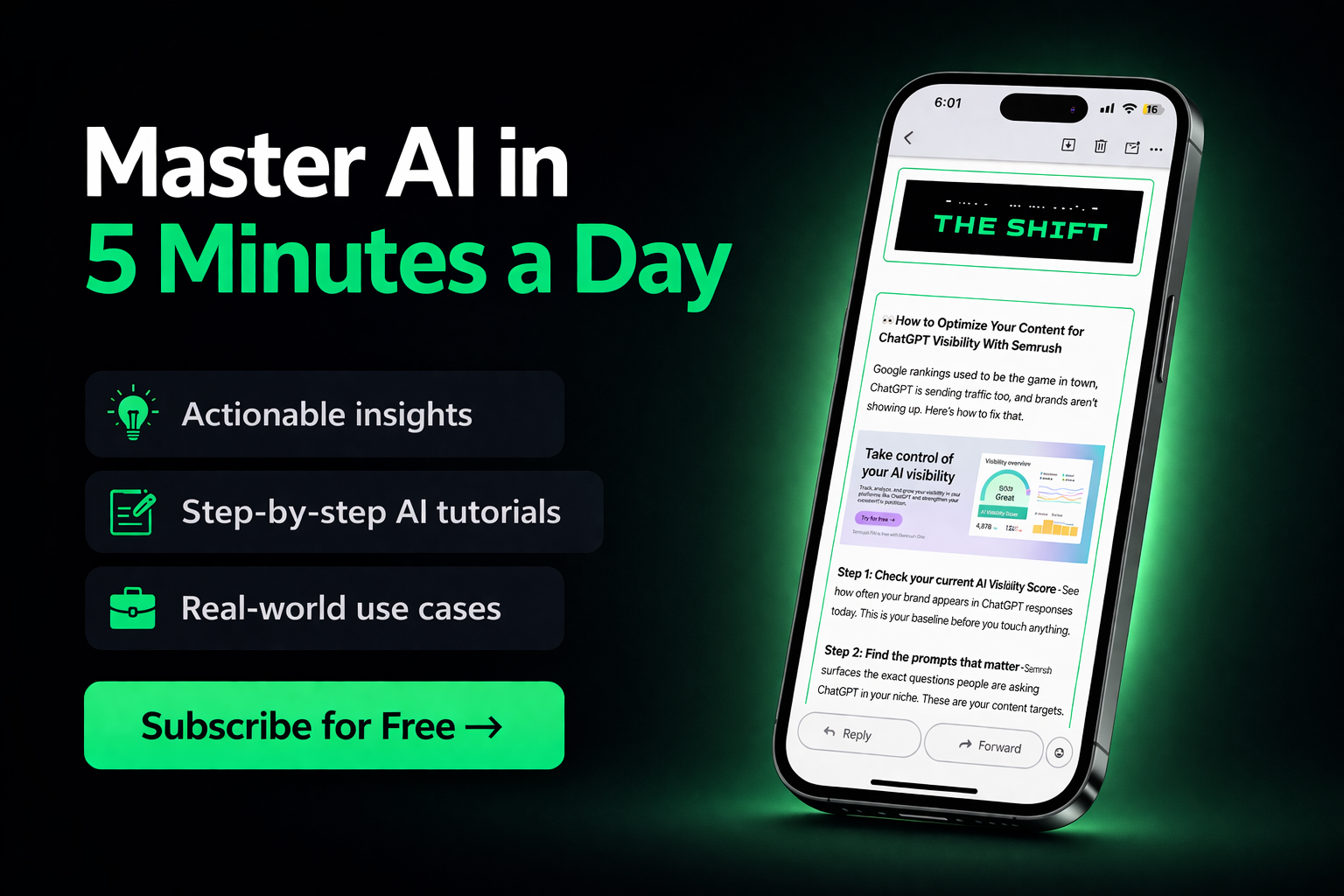
AI is everywhere, but practical, actionable ways to use it are really hard to find.
The Shift fixes this with focus on a single topic per edition. A real problem AI can solve today.
You’ll see real examples, short workflows, and proven prompts that help you work faster, think better, and automate intelligently under 5 minutes a day.
Once you subscribe, you get access to 3,000+ curated AI tools and 1000+ prompts, so nothing stays theoretical.
If you want AI to work for you in real practical ways, not just ideas, you’ll love The Shift.
And right now, 3 subscribers win a free 1-year Claude Pro subscription. One click to enter.
👨💻 Quick Hits
💬 Meta is testing a WhatsApp Plus subscription offering features like custom themes, premium stickers, 20 pinned chats, custom icons, ringtones, and advanced chat sorting, currently in limited rollout.
🎬 Meta previewed upcoming updates for its Edits app, including improved captions, templates, project management, and expanded AI tools, with potential plans to introduce paid features for advanced AI capabilities.
📌 Pinterest reported that 82% of CPG campaigns delivered positive incremental ROI, with 76% achieving 1.5x+ returns, while tested campaigns also exceeded standard social media ROI benchmarks in matched market studies.
🧠 Only 2% of consumers would buy based solely on AI recommendations, while 98% seek validation, with 78% relying on reviews, 71% on Google rankings, and 45% researching brands after AI suggestions.
That’s a wrap for today! Tell us your thoughts about today's content as we line up more Shorts! And don’t hesitate to share this with someone who’d adore it. 🥰