
Your Meta Pixel Needs Rehab
🧩 It’s contaminated, and your sales are falling, Ahrefs found schema barely impacts AI citation visibility at all, and more!
Hey there Smarty 👋
Are you geared up to catch the latest and greatest in quick shorts?
And just a quick heads-up! If you stumbled upon us through a friend, make sure to subscribe here! That way, you’ll never miss out on the trending shorts.

🧩 Your Meta Pixel Needs Rehab
Your pixel learns from every signal you feed it, including the bad ones. When Meta routes spend through cheap inventory, bot traffic, or low-intent placements, those engagements get encoded into your pixel's understanding of who your buyer is.
The contamination quietly degrades targeting, and most accounts discover it only when conversion rates soften.
Rehabilitation is possible. It looks nothing like the standard playbook.
Strategy 1: Diagnose Contamination Depth Before Treating It
Pixel damage sits on a depth spectrum. Treatment depends on how deeply contamination has propagated.
Three reads:
- Compare lookalikes built during the contaminated window against those built before
- Check Event Match Quality scores in Events Manager (Meta's 0 to 10 match-rate score)
- Review engagement-to-purchase ratios; high engagement without proportional purchase is the contamination fingerprint
Shallow damage shows demographic drift. Moderate shows EMQ drops. Deep shows an engagement-purchase ratio collapse.
Before treating, confirm whether the trigger sits inside your account or across your category. Particl pairs live competitor tracking with Claude or ChatGPT, so you can ask whether competitors saw simultaneous bestseller reshuffles or promo cadence shifts during your contamination window, and get answers in seconds. You can ask Particl your first question today!
Strategy 2: Fix Event Deduplication Before Anything Else
The fastest source of pixel contamination most accounts never check is broken deduplication between the browser Pixel and the Conversions API. When both fire without a shared event_id, Meta counts the same purchase twice, inflating signals, lowering EMQ, and training the algorithm on noisy data.
The protocol:
- Audit deduplication status in Events Manager (should approach 100% on shared events)
- Verify Pixel and CAPI send identical event_id values (typically the order ID or a UUID generated once and reused)
- Confirm event_name matches exactly across both sources, including casing
- Validate user_data parameters are hashed via SHA-256
Mismatched casing or random ID generation breaks deduplication silently. Every other rehabilitation step layers fixes on top of a broken foundation until this is clean.
Strategy 3: Force Recovery Through CAPI-Only Relaunch
After deduplication is clean, do not relaunch through the contaminated Pixel pathway. Push conversion events server-side through CAPI only, with browser Pixel disabled during recovery. CAPI lifts match rates from 60-70% (Pixel-only) to 85-95% (Pixel + CAPI deduplicated), which means cleaner signal density per event.
During recovery:
- Seed new lookalikes from CSV customer-list uploads, not pixel-derived audiences
- Optimize for Purchase specifically, never upper-funnel events that compound contamination
- Hold spend conservative; Meta needs roughly 50 conversion events per 7-day window per ad set to exit learning cleanly
The 50-event threshold is the gating mechanism. Push spend through rebuild traffic too fast and learning resets before clean signals accumulate.
Together with Insense
Your Audience Has Seen Your Best Ad 47 Times.
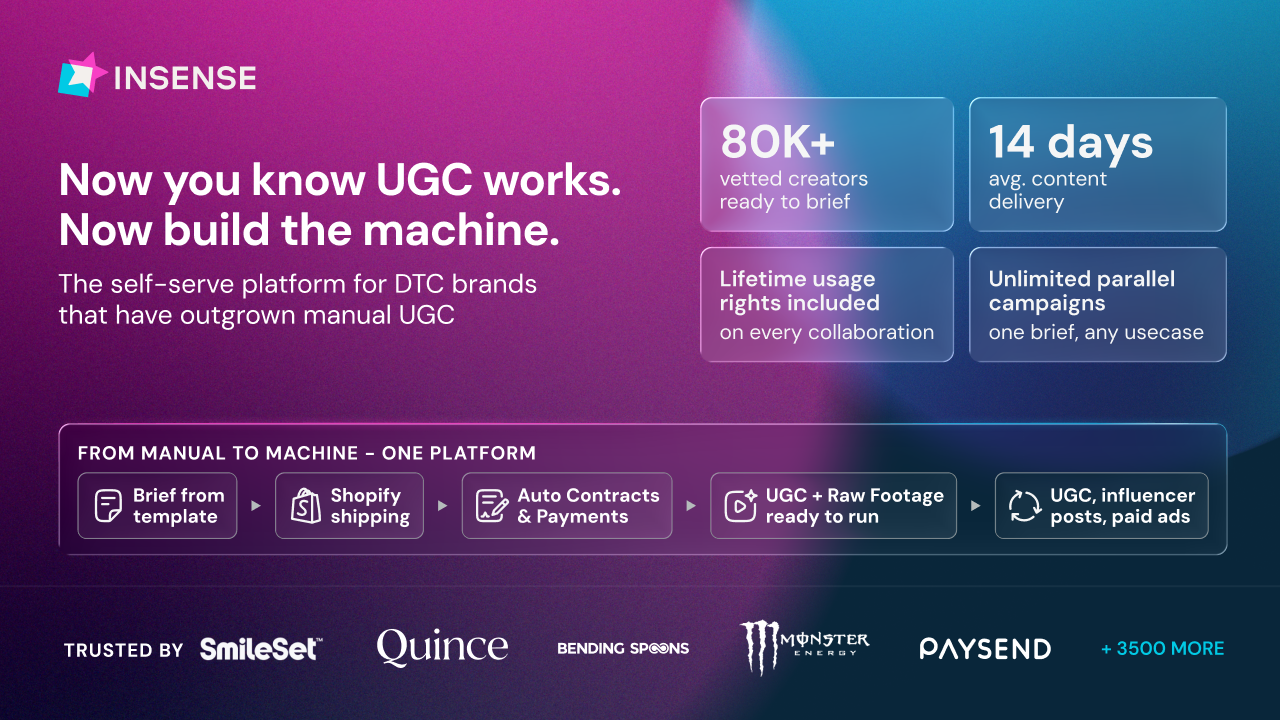
Your January ads carried you through Q1. They won't carry you through Q2. Audiences have seen them, CPCs are climbing, and what felt like a creative win three months ago is actively hurting you now.
Every day you run the same creative, you're training your audience to scroll past you.
Over 3,500 brands and agencies trust Insense to fix exactly that. Get matched with high-fit UGC creators from an 80,000+ vetted pool across 30+ industries in under 48 hours, with full lifetime usage rights on every asset.
No cold outreach. No back-and-forth. Creators who match your brief apply to you.
Here's what that looks like in practice:
- Revolut: 350+ UGC assets across 140+ creators in 10+ countries.
- goPure: 150+ videos at zero cost through product seeding.
- Maty's: 12x higher reach via TikTok Spark Ads at $0.60 CPC.
The brands that book this week will have fresh creative running before May.
Book a free strategy call by May 15 and get a $200 platform credit towards your first campaign.
🔍 Ahrefs Tracked 1,885 Pages Adding Schema. AI Citations Barely Moved.
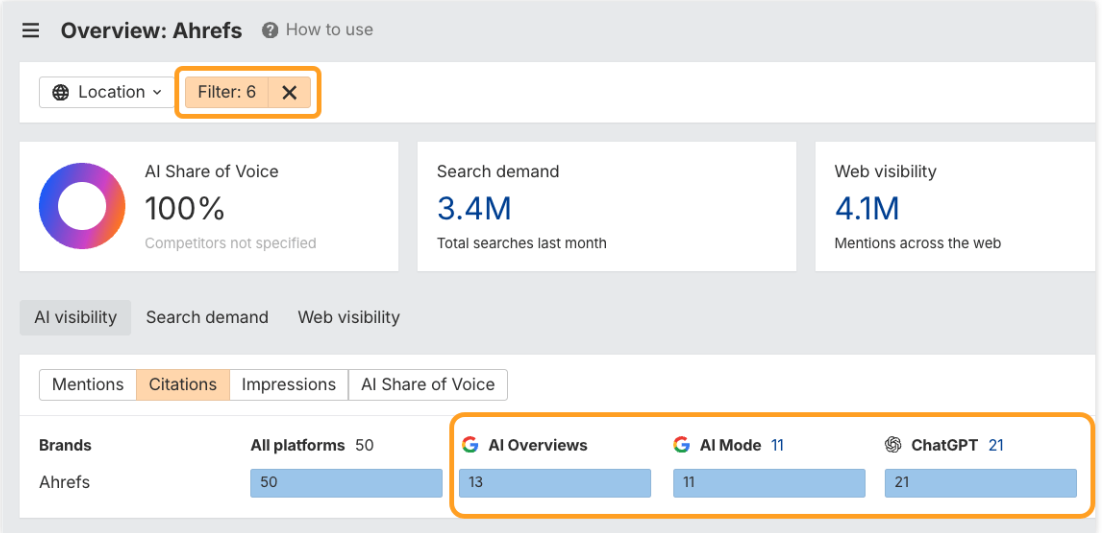
JSON-LD schema is structured code added to a page's HTML that helps search engines and AI systems understand its content, and Ahrefs just ran a controlled study to find out whether adding it actually boosts AI citations. The answer is mostly no.
The Breakdown:
The Correlation Was Always Misleading - Pages cited by AI were three times more likely to have JSON-LD, but sites with schema also invest in better content and earn more links. Schema was riding those signals, not driving them.
What the Numbers Actually Showed - Google AI Overviews dropped 4.6% versus matched controls. AI Mode showed plus 2.4% and ChatGPT plus 2.2%, both too small to distinguish from random noise across four separate tests.
The AI Overview Decline Needs Context - Both treated and control pages were already declining before the schema was added. Treated pages fell slightly faster, roughly 12 fewer daily citations per page, where most received hundreds.
Schema Does Not Help Pages Already Cited - Every page in the study already had 100 plus AI Overview citations before schema was added; they were inside the AI consideration set before the test even began.
Five AI systems, including ChatGPT, Claude, and Gemini, ignored JSON-LD entirely when fetching pages in real time, extracting only visible HTML. Schema still has value for rich results and knowledge graphs, just not for boosting AI citations on pages already getting them.
👨💻 Quick Hits
📸 Instagram is testing a feature that lets users add separate captions to each image or video within carousel posts, giving creators more flexibility for storytelling and context.
📱 TikTok launches an ad-free subscription in the U.K. for £3.99 per month, letting users remove ads and disable personal data tracking for ad targeting.
🧵 Threads unveils a new logo and font redesign aimed at giving the platform a more distinct identity separate from Instagram as it continues expanding its real-time conversation platform.
🛒 Google expands Merchant Center for Agencies globally, giving agencies a centralized dashboard to manage product feeds, monitor account health, diagnose issues, and optimize shopping performance across multiple clients.
🥳Events
🔥 The World's First Claude-a-thon Is Live This Weekend.
This Saturday & Sunday | Virtual Event | Free
You have been watching Claude ship new features every week. This weekend, you actually build with them. Custom artifacts, automated workflows, full presentations inside Claude, and Connectors set up live.
That’s a wrap for today! Tell us your thoughts about today's content as we line up more Shorts! And don’t hesitate to share this with someone who’d adore it. 🥰