
Your content fix needs time
⏱️ Plus, Google’s recrawl timelines explain why your AI search results haven’t changed, Meta’s new Ads Super Burst guarantees delivery in 3 to 24 hours, and more!
Hey there Smarty 👋
Are you geared up to catch the latest and greatest in quick shorts?
And just a quick heads-up! If you stumbled upon us through a friend, make sure to subscribe here! That way, you’ll never miss out on the trending shorts.

⏱️ You fixed your pages for AI search. Here's when to judge the result
You rewrote 40 product guides on Monday.
By Friday, AI answers haven't changed, and someone wants to call the project a failure.
They're judging too early. On October 5, at Google's Search Central Live Deep Dive event in Europe, Gary Illyes shared typical timelines for Google's pipeline:
- Recrawling a known URL: about 30 days, and "weeks to never" at the slow end
- Indexing once crawled: about 1.5 hours
- Title and snippet updates: one to two days, and up to months at the slow end
The bottleneck is getting Google to come back to the page. Your measurement plan should start there.
Patience is a hard sell in Q4, when every week of budget is questioned.
Citations alone won't settle that argument either. A mention isn't the same as a pipeline, and three recent AirOps Growth Leader sessions make the point from different angles: Kevin Indig's data shows ranking #1 for your key fan-out queries earns 58% of citations, four times more than rank #10.
Ross Simmonds found Google's AI surfaces lean on Reddit and YouTube while assistants favor off-site product and comparison pages.
Eli Schwartz's point is simpler: every asset still needs a conversion path, or the citation is just visibility with nowhere to go. Read the full takeaways to see where your content and off-site effort should go next. You can read the full takeaways to see where your content and off-site effort should go next.
Step 1: Pull the recrawl forward
Update the sitemap lastmod date only on pages you genuinely changed, so the signal stays trustworthy.
Link to changed pages from your most-crawled pages, such as the homepage and top category pages.
Use URL Inspection's "Request indexing" on your ten most important pages. It has a daily limit, so save it for those.
Step 2: Start the clock at the recrawl
Check each page's last crawl date in URL Inspection, or look for Googlebot hits in your server logs. Day zero is the recrawl, not the publish date.
Step 3: Split pages instead of comparing weeks
Q4 traffic swings make before-and-after comparisons unreliable. Take 40 similar pages, change 20 and leave 20 untouched. Compare the two groups over the same weeks, so seasonality hits both equally.
Step 4: Read early, decide late
Day 14 after recrawl: check that titles and snippets updated, and that nothing broke.
Day 42: compare organic clicks, conversions and how often each group appears in AI answers for a fixed prompt set.
The day 42 decision point is my judgment, based on Google's typical timelines plus time for answers to settle.
Step 5: Agree the call in advance
If the changed group isn't ahead on clicks or AI answer appearances by day 42, revise the change before rolling it out further. If it's ahead, extend it to the next 40 pages.
Open URL Inspection for the five pages you changed most recently. If any haven't been recrawled, your results haven't started yet.
Together with Insense
Your BFCM Creator Calendar is Already Mapped
Still sourcing creators when your Black Friday ads should be running? Every delay leaves less time to test what actually sells before your biggest spending weeks.
Insense’s free BFCM + Q5 Creator Marketing Playbook gives marketers a week-by-week plan from September through January, so every creator campaign starts with a clear deadline and purpose.
Inside, you’ll find:
- A week-by-week August-to-January calendar showing when to secure permissions, test content, scale winning creators, and move into Q5.
- A practical creator scorecard using conversions, engagement quality, and reliability, so November budgets back proven performers over follower counts.
- Q5 action plan covering licence extensions, January creative, and the recommended 10–15% budget reserve for the lower-cost post-holiday window.
You’ll also get benchmarks for creator-handle ads, modular UGC testing, live shopping, hook rates, and creative volume, helping your team set measurable targets before spending rises.
📢 Meta launches high-impact ads as Google and OpenAI expand advertiser controls
Meta, Google and OpenAI are introducing new advertising formats and campaign management tools, while streaming platforms increase ad loads and researchers uncover a new security threat involving online advertisements.
The Breakdown:
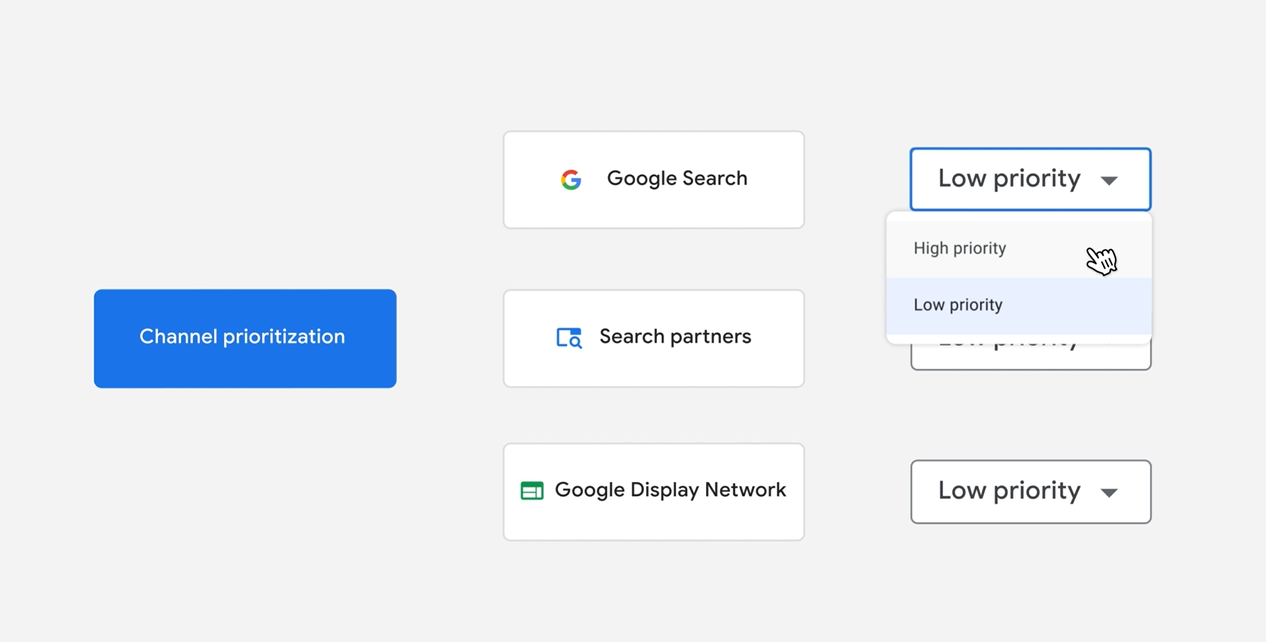
Google Gives Advertisers More Budget Control - Google Ads is rolling out channel prioritization, allowing campaigns to fund high-priority channels first. Advertisers can cap the daily budget share allocated to lower-priority placements, including Search partners.
Meta Introduces Ads Super Burst - Advertisers can book 3–24-hour windows with guaranteed delivery and optional category exclusivity. Early tests reached a median 34 million people. Meta also introduced First Impression Ads and Reels Trending Ads.
ChatGPT Ads Adds Human Support - OpenAI is reportedly assigning account managers to advertisers for strategy calls and biweekly reviews. Meanwhile, premium streaming platforms averaged 18% more ad minutes in August than January.
Hackers Exploit Online Ads to Deliver Spyware - Citizen Lab documented the first known case of government-backed hackers delivering zero-click spyware through online advertisements. Researchers are advising potential targets to block ads or disable ad tracking.
Advertising platforms are offering more control over reach, budgets, and campaign support, while growing streaming ad loads increase competition for attention. The spyware discovery also raises security concerns around ad delivery infrastructure, adding another consideration for the broader digital advertising ecosystem.
👨💻 Quick Hits
💼 LinkedIn is rolling out customizable digital business cards featuring profile photos, job titles and scannable QR codes. Users can save them to digital wallets for in-person networking, with global availability expanding over the coming months.
🔎 YouTube is testing AI-generated answers directly in search results, expanding Ask YouTube beyond its chatbot. Selected U.S. desktop users can view AI summaries, ask follow-up questions and browse traditional video results below.
🛍️ Google introduced its holiday “When to Buy” guide and rolled out Universal Cart to all U.S. users, allowing shoppers to save products across Search and Gemini, track price drops, receive promotional offers and complete purchases through Google Pay.
🛍️ Google Merchant Center introduced a new warranty attribute for Shopping ads and free listings, allowing retailers to specify coverage duration in months or years. The field is generally optional but may be required under local regulations.
🥳 Events
🔥 How Top Brands Measure, Fund, and Scale Creator Marketing
October 21 | Online | Free Festival
Return on Influence Festival ’26 brings together teams from Adobe, Edelman, ŌURA, Ogilvy, and more to unpack how creator programs actually run. Learn how they measure ROI, justify budget, structure partnerships, and scale from 5 to 5,000 creators without adding chaos.
Can't attend every session live? Register anyway, and you’ll get the recordings in 24 hours.
That’s a wrap for today! Tell us your thoughts about today's content as we line up more Shorts! And don’t hesitate to share this with someone who’d adore it. 🥰