
Microsoft took your CPC cap
🧢Microsoft Ads dropped Max CPC on new campaigns and here’s your scenario, Google Ads tests building campaigns from a plain language prompt, and more!
Hey there Smarty 👋
Are you geared up to catch the latest and greatest in quick shorts?
And just a quick heads-up! If you stumbled upon us through a friend, make sure to subscribe here! That way, you’ll never miss out on the trending shorts.

🧢 Microsoft Ads dropped max cpc on new campaigns. find your scenario
Since October 1, new standalone Microsoft Advertising campaigns can't set a Max CPC when they use Maximize Clicks, Maximize Conversions, Maximize Conversion Value, Target CPA or Target ROAS.
Existing campaigns keep their caps. Remove one after October 1, though, and you can't add it back. Portfolio bid strategies still accept a Max CPC, and Enhanced CPC and Target Impression Share are unaffected. API, tool and Google Import users face a January 12, 2027 deadline covering new and existing campaigns.
Peak days are when caps matter most. Your situation decides the move.
Scenario 1: Your capped campaigns already work
Leave them alone through the holidays. Rebuilding, duplicating or restructuring creates new campaigns, and new campaigns can't carry the cap.
Before touching any capped campaign, write down its current Max CPC. If someone removes it by accident, that note is all you'll have left.
Scenario 2: You're launching a holiday campaign
Put it inside a portfolio bid strategy, which still accepts a Max CPC. Set the cap from last year's peak-week average CPC plus a margin you can afford. That margin is a judgment call. Mine would be 20% to 30%.
If you don't use portfolios today, set one up this week, while there's still time to watch it before November.
Scenario 3: You import campaigns from Google Ads
The January 12 deadline is yours. Import settings that rely on caps will stop working on new and existing imported campaigns.
Before January:
- List every imported campaign that uses a cap.
- Decide which ones move into portfolios and which switch to target-based controls.
- Turn off automatic import for those campaigns, so a sync doesn't undo your changes.
Scenario 4: You used caps as a safety net
Microsoft points advertisers toward budgets, acquisition-cost targets, return-on-ad-spend targets and conversion value rules instead.
Replace the safety net with a monitoring rule. Check average CPC daily during peak weeks. If it runs above 1.5 times its trailing 14-day average for two days, lower the target or the budget. The 1.5 multiplier is my judgment.
Conversion value rules can help too. If certain audiences or devices bring higher-value orders, tell the bidder, so it spends more there and less elsewhere.
Before you change anything
Microsoft recommends search optimization experiments for testing bidding changes before full rollout. Use one for any campaign above your median spend.
Start with the export
Export every campaign's bid strategy and Max CPC setting. That list tells you which scenario applies to each campaign.
Together with Insense
Save 40+ hrs/month in Q4 on UGC creator & influencer operations
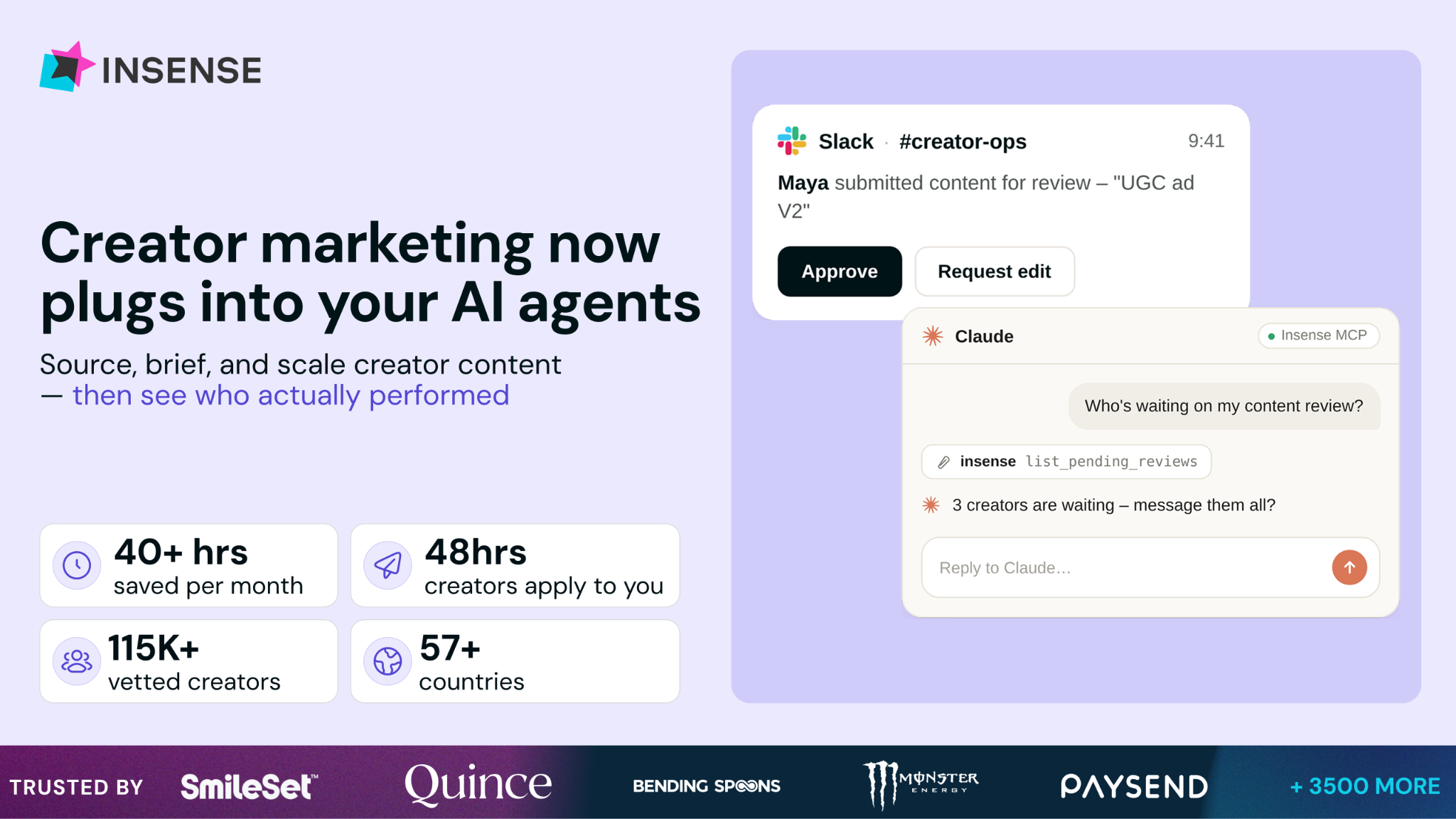
Your team already runs on Slack and AI agents. Your creator marketing should too.
Insens now plugs into the stack you already use, so you brief, approve, and track creator work without living in yet another dashboard.
Route campaigns and updates through Slack, put your AI agents (ChatGPT, Claude) to work on briefs and shortlists, and keep everything connected to your Ads Manager and analytics.
Underneath, the creator layer runs itself:
- Vetted creators apply to you within 48 hours - from a vetted marketplace of 115K+ creators across 57+ countries
- Run diverse campaign types - from UGC to seeding, influencer posting, and Meta Partnership Ads and TikTok Spark Ads
- Get creator performance insights - connect your Ads Manager and view which creators perform best - not only which ads
Over 3,500 brands and agencies use Insense, with first creator applications arriving within 48 hours and teams saving 40+ hours monthly.
Book a free strategy call by Oct 9th and get $200 towards your first campaign.
🤖 Google Ads tests AI campaign creation and expands automated targeting
Google Ads is testing a conversational campaign builder, changing how Demand Gen audiences work and introducing new AI Max reporting tools, giving advertisers more automation alongside greater visibility into campaign decisions.
The Breakdown:
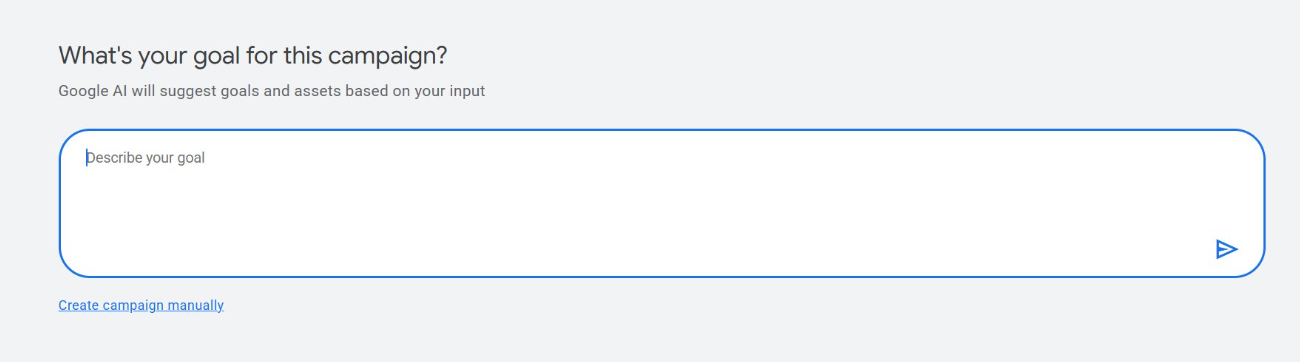
Google Builds Campaigns From Prompts - A new experimental campaign builder asks advertisers to describe their campaign goals in plain language. Google's AI then suggests objectives and assets, while manual campaign creation remains available.
Demand Gen Lookalikes Become Suggestions - Google is moving Lookalike segments to suggestion mode by default, allowing ads to reach audiences beyond the selected segments. Advertisers wanting strict targeting must submit an opt-out form.
AI Max Reveals Search and Ad Matches - A new report shows which search terms triggered specific headlines, descriptions, and landing pages. Advertisers can also identify AI-generated matches and assets to catch irrelevant combinations.
Google Ads API Gets Faster Updates - Starting with version 26, Google Ads API will receive two releases monthly, alongside four major annual versions. Additional minor updates won't introduce breaking changes or shorten existing migration timelines.
Google is giving AI more responsibility for campaign creation, audience expansion and ad matching. The new reporting tools help advertisers inspect those decisions, but broader targeting and automated creative selection make regular reviews increasingly important for controlling relevance and wasted spend.
👨💻 Quick Hits
🎵 YouTube is rolling out AI-generated music labels across YouTube Music and its main app, identifying tracks primarily created using generative AI, including synthetic vocals and compositions, through automated detection and music industry partnerships.
🤖 Google is rolling out Gemini 4 Argon globally across Search AI Mode and the Gemini app for AI Pro and Ultra subscribers. The model offers improved reasoning, coding and complex multi-step task performance.
📍 Google Merchant Center introduced a mandatory store_address attribute for products submitted to Local inventory ads and Local free listings, requiring retailers to include accurate physical store addresses in their product feeds.
🔍 Google confirmed that PDFs can rank in Search and AI Mode by converting them into HTML for indexing. Embedded links remain crawlable, while text-based PDFs are more reliably processed than image-only documents.
🥳 Events
🔥 What Bain’s Marketing Leaders Reality Index Reveals About AI ROI
Today | Virtual Event
Bain’s research shows why traditional attribution is struggling to explain how buyers actually choose. Matt Hammel and Zak Prauer break down what AI search influences before the click, which signals matter beyond citations, and how to make a stronger investment case when last-click reporting comes up short.
Can't attend the session live? Register anyway, and you’ll get the recordings in 24 hours.
🔥 What Makes a Creator Program Worth More Budget
October 21 | Online | Free Festival
See how experienced teams prove creator impact before asking for more spend. Leaders from Adobe, ŌURA, Edelman, Ogilvy, and more will break down the metrics, campaign decisions, and operating systems that help creator programs earn trust, budget, and room to scale.
Can't attend every session live? Register anyway, and you’ll get the recordings in 24 hours.
That’s a wrap for today! Tell us your thoughts about today's content as we line up more Shorts! And don’t hesitate to share this with someone who’d adore it. 🥰