
Your Ad has a measuring problem
😅and nobody is diagnosing it correctly, AI is taking on more of the Marketing Job, and more!
Hey there Smarty 👋
Are you geared up to catch the latest and greatest in quick shorts?
And just a quick heads-up! If you stumbled upon us through a friend, make sure to subscribe here! That way, you’ll never miss out on the trending shorts.

Together with Insense
1 UGC creator = 20+ ad variations within 14 days to scale your creative library
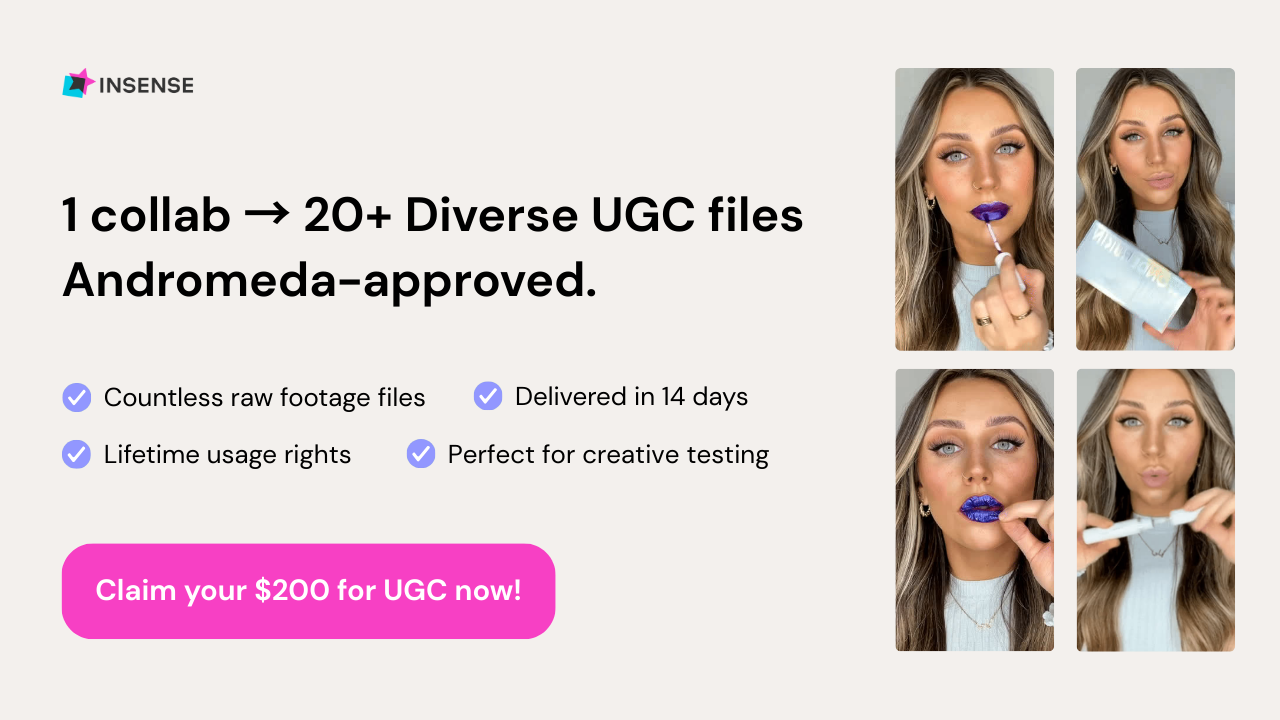
Insense makes UGC ads insanely cost-effective - and Andromeda-approved!
From one brief, get numerous raw footage clips to mix, match, and turn into multiple scroll-stopping creatives for your paid social ads.
Source 20+ pieces of raw content (per creator) with lifetime usage rights, all delivered in 14 days or less.
That’s how Beauty Pie, Bones Coffee, Wellhub, and PetLabCo scale UGC without killing team bandwidth.
Cost-effective UGC with lifetime usage rights? Yes please!!
Book a free strategy call to get $200 for your first campaign.
😅Your Ad has a measuring problem
The symptom is consistent: partnership ads launch, CPA comes in higher than the account average, and the campaign gets pulled before it shows what it can actually do. The diagnosis is a measurement model applied to a format it was not designed for.
Symptom: Your partnership ad CPA is higher than everything else in the account.
This is expected and is not a signal to act on. Partnership ads reach cold audiences through creator trust rather than direct brand advertising. Cold audiences converting through an unfamiliar brand produce structurally higher CPAs than retargeting audiences or warm lookalikes.
The gap between partnership ad CPA and the rest of the account is a format characteristic, not a failure. Accounts that cut partnership ad sets when CPA runs high in week one are measuring delivery cost during the learning phase and treating it as an outcome.
Diagnosis: You are using the wrong primary metric.
CPA tells you the cost of a conversion where audience temperature is roughly controlled. Partnership ads change both conversion rate and audience temperature simultaneously.
The primary metrics for this format are add-to-cart rate, whether the creative generates intent even if the conversion happens elsewhere, net new customer rate, whether the format is expanding the audience or recirculating existing buyer, and blended account impact, whether overall ROAS improves when partnership ads run. CPA is a secondary check, not the lead indicator.
Treatment: Build a separate measurement lane and run it for at least three weeks.
Track add-to-cart rate against your account baseline. Track what percentage of converters are net new to the brand. Compare account-level ROAS in weeks partnership ads are active versus weeks they are not.
Set the attribution window to reflect the format: partnership ad conversions come in on longer lag because the purchase decision forms after the creative exposure. Windows that are too short produce false negatives.
The action for this week: pull your last partnership ad campaign and check which metric drove the decision to pause or continue it.
If it was CPA alone and the campaign ran less than three weeks, the read you got was not the read the format was capable of giving you. Run it again with the correct measurement lane in place before drawing any conclusions about whether the format works for your account.
🎬 AI Is Taking On More Of The Marketing Job
The biggest ad platforms are no longer using AI just to generate images or write copy. They're building tools that help marketers research trends, create campaigns, test ideas, and improve performance from start to finish.
The Breakdown:
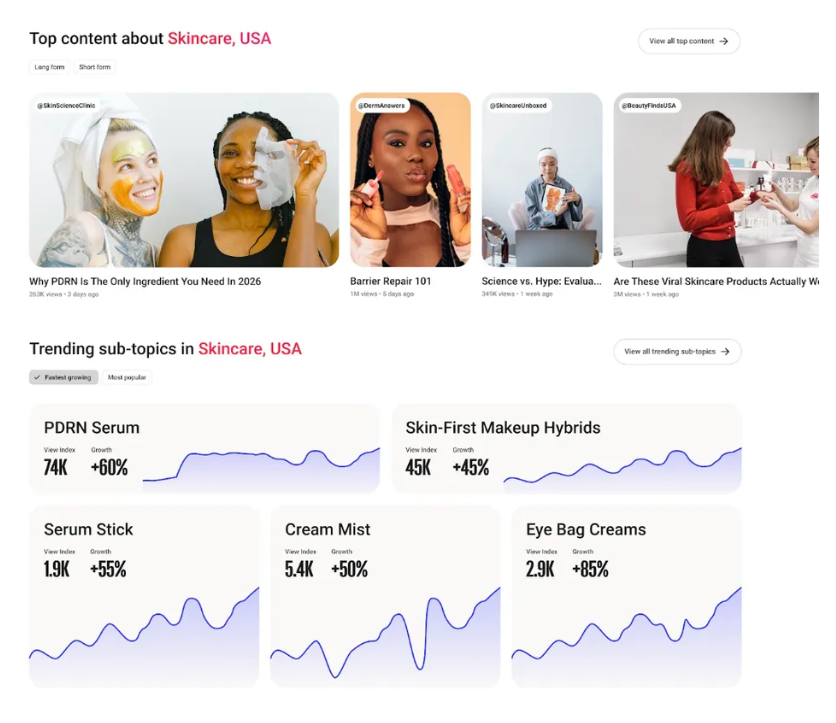
Google Finds The Opportunity - Google upgraded Insights Finder with trending topics by audience, location, and category, alongside creator partnership data and Gemini-powered recommendations to help marketers plan stronger campaigns.
Meta Improves What Already Works - Meta's new Ads Manager experience studies winning ads, generates new creative that matches your brand, then helps marketers test different versions to keep improving campaign performance.
TikTok Builds The Campaign - TikTok's Symphony Agent can turn a text prompt, image, or reference video into a complete campaign by studying what's already trending and generating new creative with Seedance 2.0.
AI is becoming a built-in part of how advertising platforms work. Rather than simply helping marketers create ads, these tools are beginning to support every stage of the campaign process, from finding opportunities to improving performance over time.
Together with The Shift
The AI Newsletter That Answers Your Questions in 5 Minutes
AI can do a lot, but most AI newsletters leave you wondering what’s actually worth trying.
That’s where The Shift comes in. They don’t just tell you “what’s new” in AI.
Every edition answers one question: What can you do with AI today that saves you time, money, or effort?
You’ll see real-world examples, step-by-step mini-guides, and instantly usable prompts under 5 minutes a day.
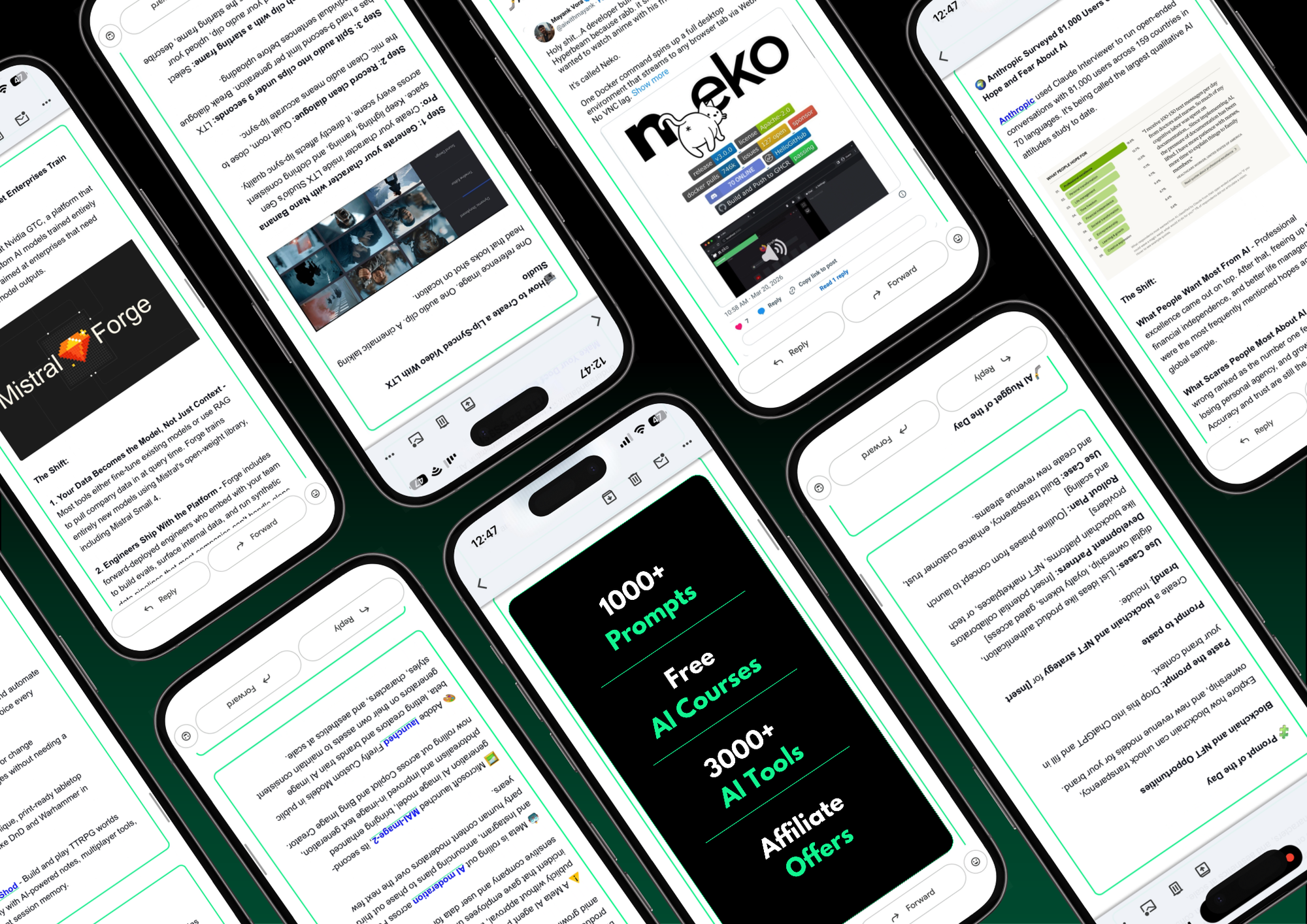
Plus free access to 3,000+ AI tools and 1000+ mega prompts so you can apply what you learn right away.
No hype, no wasted time, and no “just in case” news. If it’s in The Shift, it’s because it can make your work better today.
👨💻 Quick Hits
▶️ YouTube updated Shorts with a heart reaction, Clear Screen mode, and 2× playback. The changes simplify viewer interactions, reduce on-screen clutter, and give YouTube richer engagement signals to improve content recommendations.
🤖 Meta plans to let AI handle up to 90% of content and ad reviews by the end of 2026, dramatically reducing human moderation as it expands AI-driven enforcement across Facebook, Instagram, and its other platforms.
📈 Google upgraded Demand Gen with Gemini-powered creative recommendations, automatic video resizing for more YouTube formats, and new web-to-app reporting to improve campaign optimization, customer acquisition tracking, and creative performance.
📊 Desktop Google Search CTRs rose while mobile’s top result declined, according to Advanced Web Ranking. The data suggests desktop users are clicking organic results more often, while mobile engagement continues shifting amid evolving search experiences.
That’s a wrap for today! Tell us your thoughts about today's content as we line up more Shorts! And don’t hesitate to share this with someone who’d adore it. 🥰