
Why Some Ads Feel Instantly Credible
😏You already have a brand that can be trusted, spend on it, Google and OpenAI are quietly reshaping ad operations, and more!
Hey there Smarty 👋
Are you geared up to catch the latest and greatest in quick shorts?
And just a quick heads-up! If you stumbled upon us through a friend, make sure to subscribe here! That way, you’ll never miss out on the trending shorts.

😏 Stop Building Trust, Spend It
Every category has a trust hierarchy that existed before your brand did. The lab coat in supplement ads doesn't create credibility. It cashes a check that the buyer already wrote to the clinical authority years ago. Your ad just has to present the right denomination.
Most brands think they're in the trust-building business. The ones compounding on paid figured out they're in the trust-spending business. Different job entirely.
The Map You Haven't Drawn
Before your next creative brief opens, answer one question: who does your buyer already trust by default, before any ad runs?
Not who you want them to trust. Who they already do.
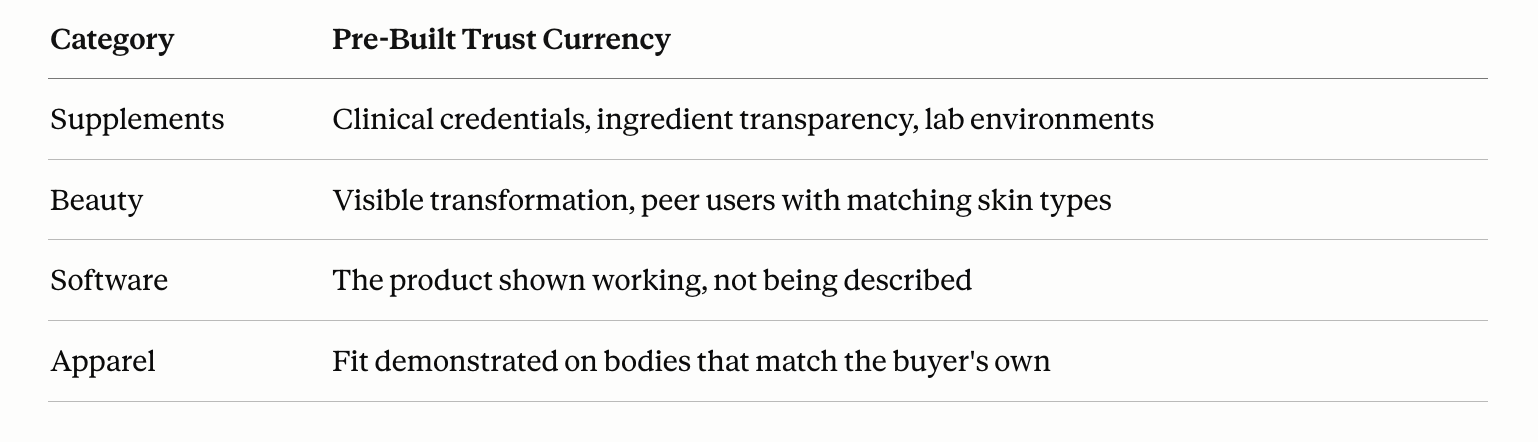
This map exists independent of your brand. You didn't build these hierarchies. You inherited them. The only question is whether your creative is spending the right currency or trying to mint a new one.
The Structural Tax You're Paying Without Knowing It
A supplement brand running founder-on-camera creative is trying to manufacture trust currency in a category where clinical authority is the accepted denomination.
That ad has to do two jobs simultaneously: build founder credibility, then transfer it to product credibility. A brand using clinical authority signals only has to do one: present the credential and collect the trust the buyer already extended to that structure.
Same category. Same product. One ad is structurally harder. It underperforms even when it's better produced.
This is not a creative quality problem. It is a currency mismatch problem.
What The First Three Seconds Actually Need To Do
The first frame is not a hook. It is a trust signal. It should tell the buyer's subconscious which account this ad is drawing from before any conscious processing happens.
Clinical category: credential, lab coat, ingredient in frame one. Transformation category: before state visible in frame one. Product-evidence category: product working in frame one, not a logo. Peer category: a recognisable peer in frame one, not a spokesperson.
The frame isn't selling. It's authenticating.
Get the currency right and the rest of the ad spends it. Get it wrong and the rest of the ad fights it.
Together with Hubspot
Stay connected to the context that matters.
You have more tools than ever. So why does it feel like critical context is still missing?
HubSpot's 2026 Essential Apps for Marketers collection brings together 14 apps across creative, ads, events, and more, so the context you need travels with every campaign, decision, and handoff.
📊 Google Is Deleting Your Ad Data, Speeding Up Approvals, and OpenAI Just Turned On Performance Ads
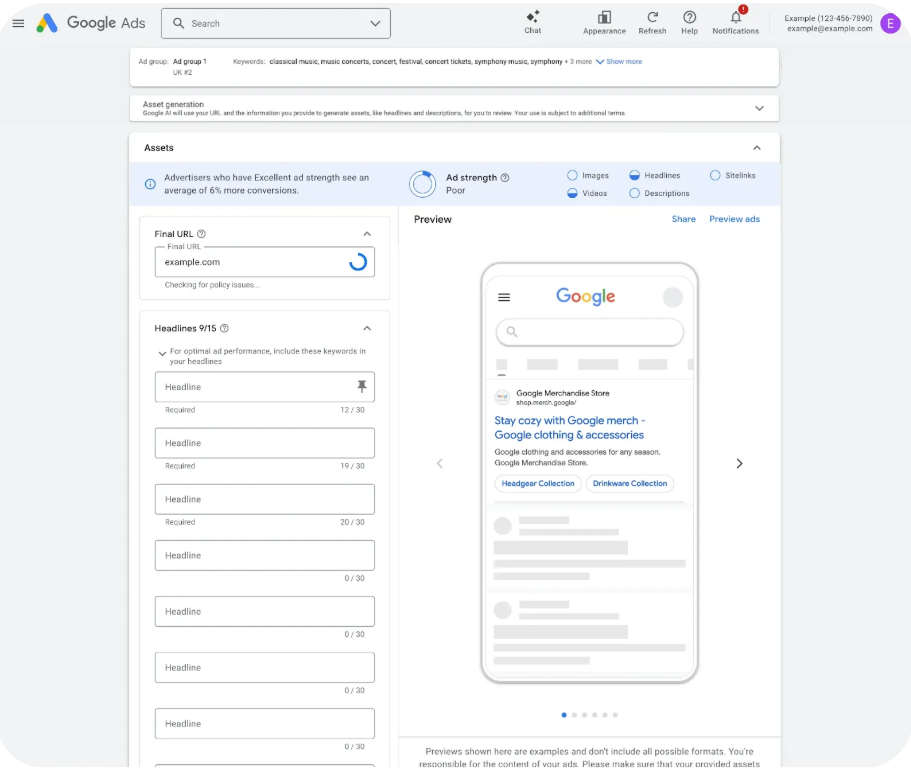
Three updates this week that every performance marketer needs to act on. Google is setting expiry dates on historical ad data, rolling out instant ad approvals and, OpenAI just made ChatGPT ads measurable by outcome for the first time.
The Breakdown:
Google Is Deleting Historical Ad Data Starting June 2026 - Daily and weekly reporting data disappears after 37 months. Reach and frequency metrics go after three years. Build an automated export pipeline now if you rely on this data for forecasting or media mix modeling.
Real-Time Policy Reviews Change How You Should Build Ads - Google now flags violations during creation, not after submission. Fixable issues get caught on the spot. Compliance needs to be part of your creative process from the start, not an afterthought.
New Prospects Mode Filters Out Anyone Who Already Knows You - Google's new targeting mode excludes anyone who has searched, visited, or engaged with your brand across Google and YouTube. Your budget chases genuinely new audiences instead of recycling warm ones.
OpenAI Just Switched On Cost-Per-Action Ads Inside ChatGPT - Select advertisers now pay only on clicks, signups, or purchases. Pixel and conversion tracking are already in place. If you have been watching from the sidelines, this warrants a test budget now.
OpenAI has hired aggressively from Meta and Snap to build out its ads team and is projecting $102 billion in ad revenue by 2030. Monthly and annual Google Ads data remains accessible for 11 years, so long-term reporting is safe.
👨💻 Quick Hits
📹 Instagram has brought its teleprompter feature from Edits into the main Instagram camera, allowing creators to display scrolling scripts while recording
📺 YouTube added new AI and podcast features, including Auto Speed for smarter podcast playback, 30-day conversation history for Ask Studio, expanded voice-powered AI search on TVs, and new Nano Banana AI-powered effects tools for Shorts creators.
🔎 Google expanded Preferred Sources into AI Overviews and AI Mode, now covering 345,000+ selected sources. New research suggests Gmail activity influences AI Mode visibility, while Sundar Pichai acknowledged some AI answers remain overly opinionated.
🛍️ Reddit expanded its Shopify integration globally, enabling merchants in 175+ countries to sync catalogs, track conversions, and launch ads. Reddit also reported 40% YoY growth in shopping conversations and 84% shopper confidence after product research.
🥳Events
🔥 How to Know If a Creator Will Move Perception or Just Move Impressions Before You Sign Them
June 11 | Virtual Event | Free
Reach and fit are two different things, and most rosters confuse them. Eric Ford, formerly Global Communications at L'Oréal, and Brooks Miller, EVP of Creator Marketing at Edelman, show exactly how brand-side teams predict creator performance before a launch, not after.
✅ Reserve Your Free Spot
🔥 The Workflow That Replaced Manual AI Use at Bitly, Udemy, and Chime. Shown Live for the First Time.
June 11 | Virtual Event | Free
Three marketing teams at three different scales all made the same decision. Stop prompting manually and build a system that runs itself. On June 11, Tyler Roehmholdt, Bridget Nelson, and Nicholas King are on stage, showing every layer of what they built and where to start.
✅ Reserve Your Free Spot
That’s a wrap for today! Tell us your thoughts about today's content as we line up more Shorts! And don’t hesitate to share this with someone who’d adore it. 🥰