
The Only Way To Build Viral Hooks
🧠 Reverse-Engineering one account, and why it beats generic hook frameworks, Microsoft upgrades ad campaign management and launches ai citations tracking, and more!
Hey there Smarty 👋
Are you geared up to catch the latest and greatest in quick shorts?
And just a quick heads-up! If you stumbled upon us through a friend, make sure to subscribe here! That way, you’ll never miss out on the trending shorts.

🧠The Only Way To Build Viral Hooks
Generic hook frameworks (call out the problem, lead with the result, contrarian claim) are too abstract to brief against. A hook pattern library extracted from one competitor's actual ads, categorized by structure, opening 3 seconds, emotional register, and claim type, is operational.
The higher-leverage move is extracting the library from the competitor doing 10-20x your revenue, because their winning patterns reveal what's working in your category right now.
Pull The Top 20 Ads From The Target Competitor And Tag Each Hook Against A Structured Taxonomy ( Yes Taxonomy For the lack of a better word. Not Because this is completely AI 🥲)
The taxonomy needs at least five dimensions:
- Hook structure (problem-led, result-led, contrarian, demonstration, question)
- Opening 3-second visual
- Emotional register
- Claim type
- Creator-led vs brand-led delivery
Manual tagging across 20 ads is doable. The breakdown happens when you scale this across multiple competitors or time windows, because the work multiplies faster than the team can handle.
Generic AI tools mis-tag 1 in 4 ads, which means the library gets contaminated the moment you scale beyond manual.
Pounce hits 98.5% accuracy on the April 2026 Mobile Gaming Video Ads Understanding Benchmark, versus 76.9% for the best frontier model, with real human judgment baked into every label.
The accuracy is what makes the library trustworthy enough to brief against.You can get started for free with Pounce today.
Identify The Patterns That Recur Across The Highest-Spending Ads
Once the 20 ads are tagged, the analysis surfaces recurring patterns. A hook structure appearing in 6 of 20 is a pattern.
A combination of hook structure and emotional register appearing in 4 is higher confidence. A specific opening-3-second visual in 3 of the top 5 highest-spending ads is a near-certainty signal.
The output isn't "they use hooks." It's "70% of their top-spending ads open with a creator-led demonstration in the first 2 seconds, with a contrarian claim in seconds 3-5." That specificity is briefable.
Brief Your Next 10 Creative Variants Against The Patterns That Recurred Most
The library is only valuable if it produces a brief queue. The next 10 briefs should be structured against the recurring patterns, with one variable changed per brief.
The result is a creative pipeline that compounds against proven category patterns, instead of one that resets each cycle on theory.
The hooks aren't theoretical. They're already running in your category.
Together with AirOps
Your buyers moved to AI search. Your content didn't follow.
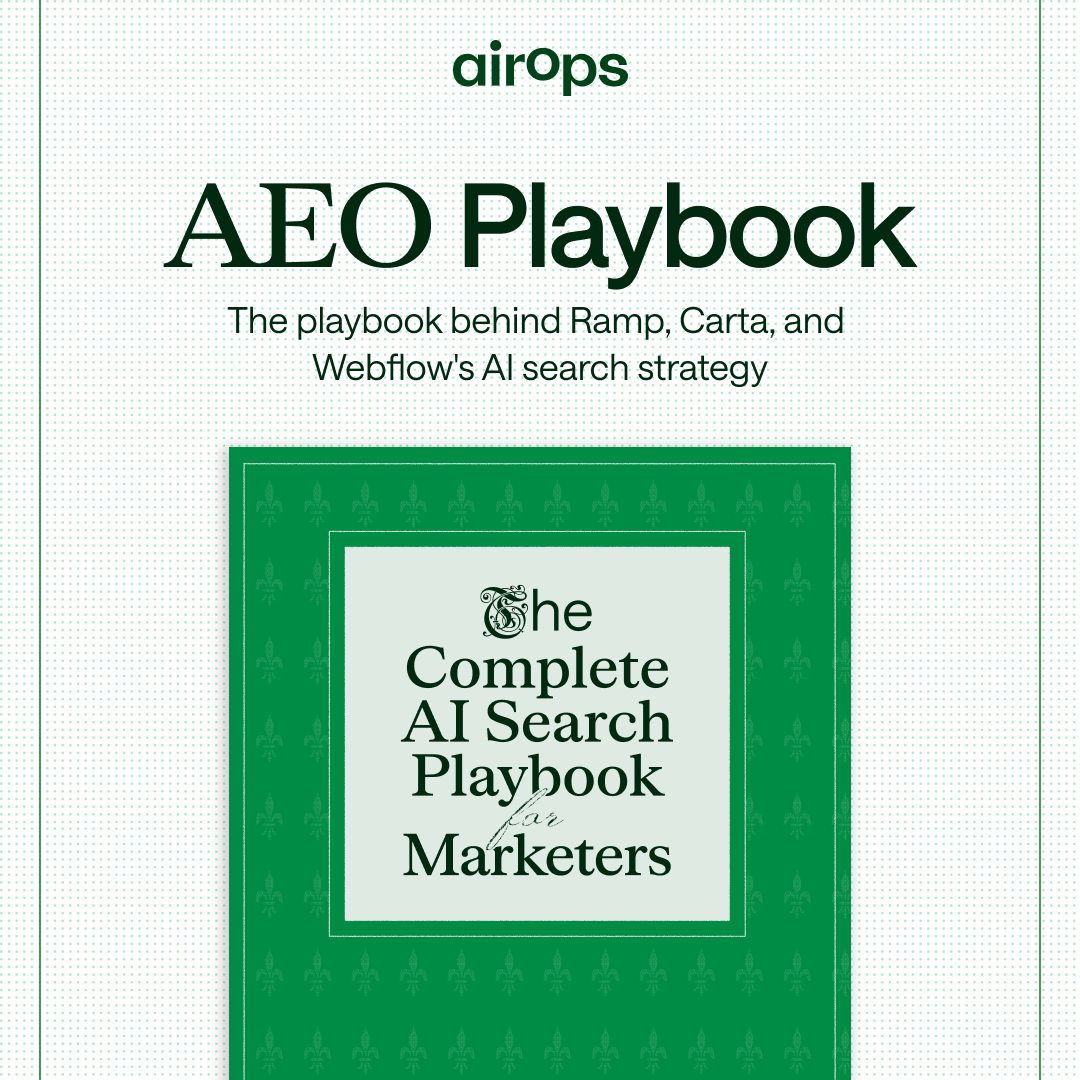
52% of adults now research on ChatGPT, Gemini, and Perplexity. Those visitors convert at 4.4x the rate of organic search, and 83% of the citations they see go to pages updated in the last 12 months.
You're not losing to better content. You're losing to better structure, fresher pages, and off-site signals you haven't touched yet.
AirOps analyzed 15M+ AI queries and built the playbook content teams are using to close that gap right now. Inside you’ll find:
- Structural patterns that make your content easy for AI engines to extract and cite
- Refresh cadences and off-site signals that keep you visible as algorithms shift
- Team models and a 90-day action plan you can run this Quarter.
Teams at Carta, Ramp, Webflow, and Klaviyo are already running this playbook to win AI search visibility and pipeline.
🔧 Microsoft Upgrades Ad Campaign Management and Launches AI Citations Tracking
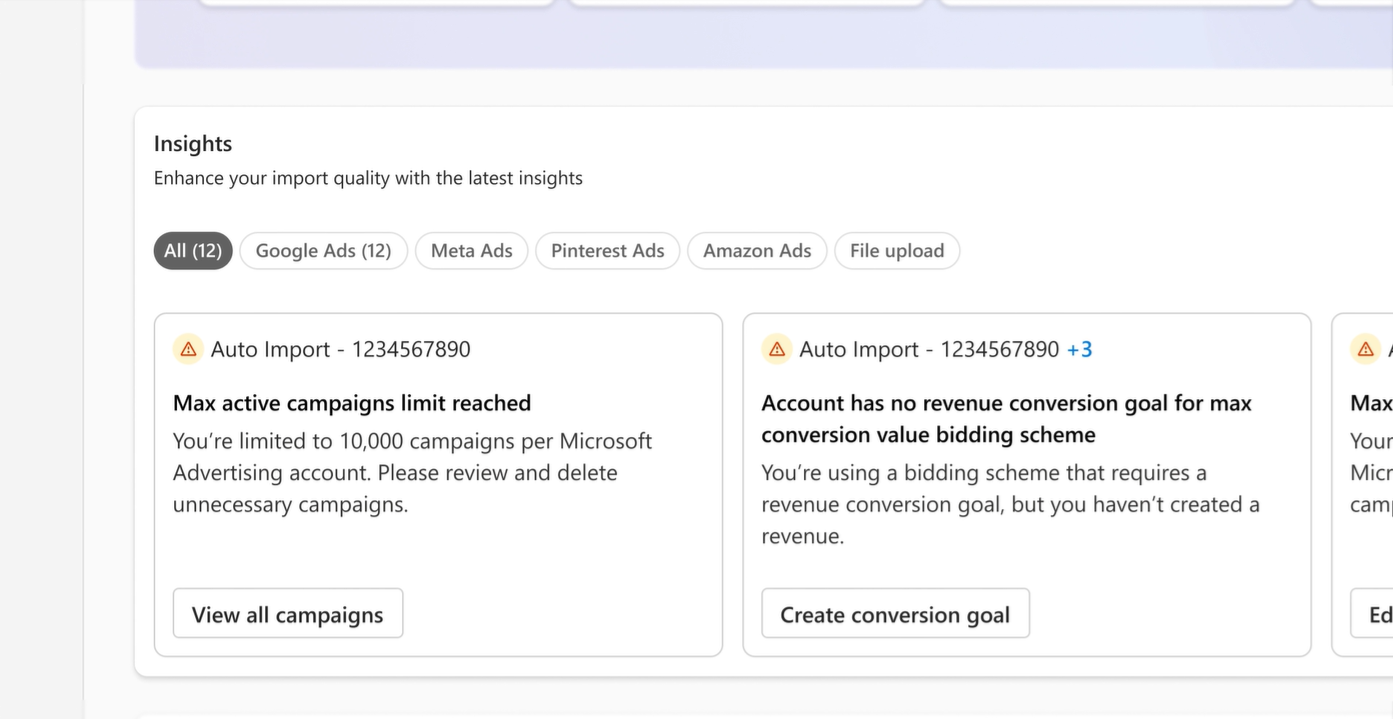
Microsoft rolled out new import, bidding, and reporting tools for advertisers while making its Clarity Citations dashboard generally available so marketers can finally see how their content shows up in AI-generated answers.
The Breakdown:
Importing Campaigns Just Got Easier - A new Import Center lets advertisers bring Google Ads and Meta campaigns into Microsoft Advertising with search, filter, edit, and troubleshooting built in, plus performance recommendations after imports complete.
Cross-Account Bidding Goes Live - Portfolio bid strategies now work across multiple accounts for Search and Shopping campaigns, with new reporting metrics for Avg Target ROAS, Avg Target CPA, and Avg Target Impression Share visible directly in the platform.
Reporting Gets More Flexible - Custom columns now support all conversion metrics with goal name segmentation and CPA, ROAS, and All Conversions analysis, alongside data-driven attribution for automated bid strategies now rolling out broadly.
You Can Now Track AI Citations in Clarity - The Citations dashboard shows how often your pages get cited in AI-generated answers, your share of authority versus competitors, what queries AI used to find you, and how much traffic AI assistants are actually sending your way.
Microsoft is making multi-platform campaign management less painful while giving marketers visibility into a metric most platforms still ignore: how AI systems reference your content. If you're not tracking AI citations yet, Clarity just made it free and easy to start.
👨💻 Quick Hits
📢 OpenAI expanded ChatGPT Ads Manager with daily budgets, zip-code level geo targeting, aggregate reporting metrics, and new AI-driven CTA formats like “Shop Now” and “Book Now.”
📉 Organic traffic still matters, but AI search is killing low-intent SEO clicks. Modern reporting should focus on the homepage, pricing, product, and conversion pages tied directly to revenue impact.
🧠 Brand discovery is rapidly changing, with 85% of consumers saying discovery behavior has shifted over the past five years. 78% discover brands in-store, 60% online, 43% through search engines, and 34% encounter new brands on social media daily.
📊 LinkedIn expanded its DoubleVerify partnership to add post-bid verification for Audience Network ads, giving advertisers independent visibility into viewability, invalid traffic, geography, and brand safety performance.
That’s a wrap for today! Tell us your thoughts about today's content as we line up more Shorts! And don’t hesitate to share this with someone who’d adore it. 🥰