
It’s not the algorithm it’s the signal
🧐Something upstream of it changed, and the algorithm is working its charm based on that. Google ads has three deadlines coming, and more!
Hey there Smarty 👋
Are you geared up to catch the latest and greatest in quick shorts?
And just a quick heads-up! If you stumbled upon us through a friend, make sure to subscribe here! That way, you’ll never miss out on the trending shorts.

🧐 It’s not the algorithm it’s the signal
An account nearly broke a media buyer we know. You've probably lived some version of it. CPM climbing, conversion rate sliding, and the new-customer versus blended ROAS gap widening every time he opened the dashboard.
Three symptoms pointing at the same obvious culprit, so he did what everyone does and made more ads. Then more. Months of it.
The answer wasn't in the ad account. It was in a merchandising number nobody thought to check: subscription take rate had gone from 23% to 60% in the exact window performance started sliding. Nobody looked, because why would a subscription number show up in a media diagnosis?
The mechanism matters. Value-based optimization eats reported conversion value as its main signal, and a subscription is worth more on paper than a one-time purchase.
So when subscription share tripled, the algorithm quietly recalibrated toward a warmer, more brand-familiar, more expensive buyer, because it was bidding harder for someone worth more.
That explains all three. CPM rose because it was buying a pricier customer, not because the ads got worse. Conversion rate fell because it was digging deeper into cold audiences hunting that profile. The ROAS gap widened because subscription buyers already knew the brand. The fix was recalibrating CPA targets to the new value distribution, and it took zero new ads.
Here's the portable part, because the subscription story isn't the lesson. Whenever that cluster shows up together, the answer probably isn't in your ad account. Look at what changed upstream in the same window, anything that alters the distribution of reported conversion value. A new bundle does it.
So does a loyalty tier change, a pricing shift, a checkout flow that moves AOV mix. They all change what a good conversion looks like to a system that reads that signal continuously and reshuffles who it targets, without telling anyone watching the dashboard.
And look, creative fatigue is real. Sometimes it is the answer. But burning months on dozens of net-new concepts is the expensive way to find out.
Content already proven organically is the cheap way. Maty's pushed creator content already working organically into paid Spark Ads and saw 12x reach lift and 4x higher CTR than branded content alone. Insense sources from 100,000+ vetted creators with lifetime usage rights, so you can test that hypothesis cheap before assuming it's the problem.
You can book a strategy call by August 14th and get $200 in platform credits for your first campaign.
The most expensive mistake isn't a bad ad. It's the correct diagnosis nobody ran, because the number that would've revealed it sat in a dashboard nobody was watching.
Go check your upstream numbers this week.
Together with AirOps
Your Rankings Hide a Bigger Visibility Problem
A top-20 position can look reassuring while AI Overviews recommends somebody else.
AirOps found that 59.6% of AI Overview citations come from URLs outside the top 20 organic results. Your rankings can look healthy while your brand is absent from the answers shaping discovery.
The State of AEO 2026 shows you how to find and close that gap:
- Find which pages to refresh first and the right cadence for your industry and search intent.
- Learn which structural elements improve citations, from heading hierarchy to schema and lists.
- See which third-party sources shape AI discovery and where your brand needs to appear.
Searches ending without a click have increased 2.5x since AI Overviews launched. More buying journeys are now being influenced before someone reaches your site.
If AI visibility is becoming part of your growth target, this report gives you the benchmarks and signals to audit against your own performance.
📅 Google ads has three deadlines coming
Google is rolling out several changes across Search, Shopping, and Performance Max. Some happen automatically, so advertisers need to know what is changing before the updates reach their campaigns.
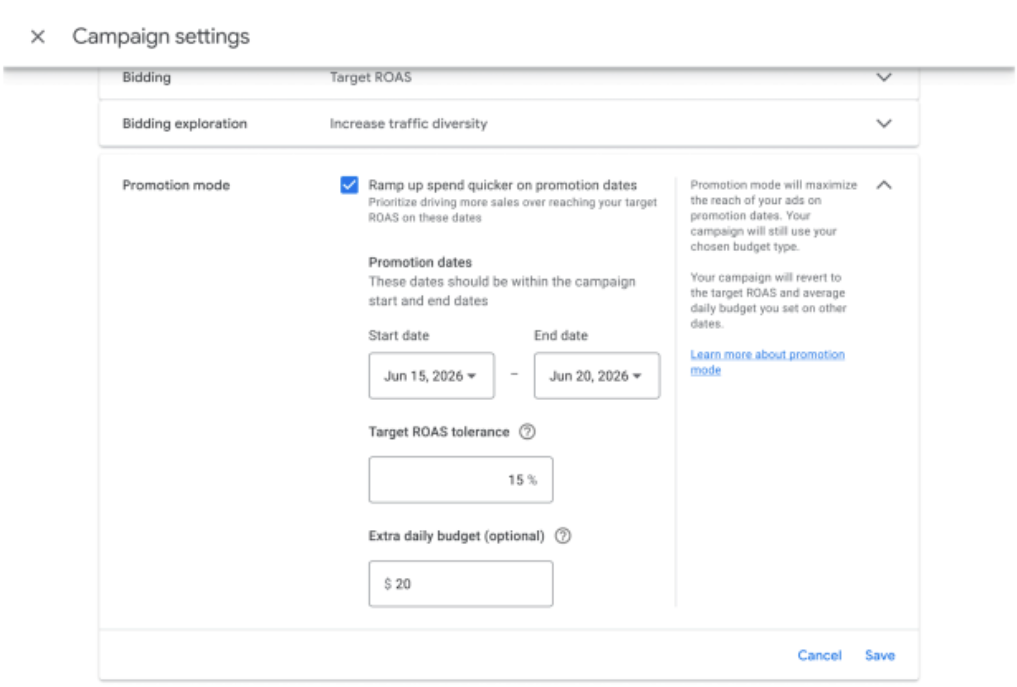
The Breakdown:
Bidding Changes August 17 - Budget-limited campaigns will follow their Target CPA or ROAS more closely. Google says this should reduce sudden performance changes when advertisers increase or decrease campaign budgets.
AI Max September 1 - Eligible Search campaigns using Automatically Created Assets or campaign-level broad match will automatically move to AI Max. Advertisers should check which AI settings Google enables afterward.
More Pay-Per-Lead Control - Google's new Performance Max guides explain how advertisers can choose service areas and business categories, set up targeting, and optimize campaigns specifically around generating leads.
Shopping Gets Urgency - Google is testing “Deal Ends” labels showing how long discounts have left. Accurate promotions, real discounts, and correct expiration dates can improve a product's chances of qualifying.
Government Ads Get Stricter - From October 5, providers advertising government documents or services must prove official authorization. Their domains must generally be recognized and linked by the relevant government authority.
Advertisers should audit bid targets before August 17, review AI Max settings after September 1, keep Merchant Center promotion data accurate, and verify government-service authorization before October 5. Several of these changes happen automatically, so doing nothing could still change how campaigns run.
👨💻 Quick hits
🚪 If zero-click searches have increased 2.5x since AI Overviews launched, how much buyer influence now happens beyond your website? AirOps’ State of AEO 2026 gives you a clearer framework for auditing visibility where discovery increasingly begins and ends. Download the report.
💳 Meta is adding more perks for paying users, including bigger Reel follow buttons, AI-powered Messenger replies, enhanced profiles, multiple locations, and automatic follower invites as it pushes subscriptions beyond verification into creator and business growth tools.
📹 YouTube is rolling out Practice Mode for vertical livestreams, letting creators privately test chats, polls, effects, and setups before going live. It’s also adding AI-powered feedback on Shorts hooks, visuals, and pacing before publishing.
💬 LinkedIn is updating its feed to surface more personally relevant comments and timely discussions, using signals like interests and connections, as comment activity climbs 18% while the platform simultaneously battles AI-generated replies and engagement spam.
🎬 Meta is testing new Edits features including customizable speed ramping, one-tap color correction, project folders, and adjustable layers, giving creators more advanced production tools while letting them test and shape upcoming features before wider release.
That’s a wrap for today! Tell us your thoughts about today's content as we line up more Shorts! And don’t hesitate to share this with someone who’d adore it. 🥰