
Google's cart or yours
🛒 Google’s Universal Cart vs your own checkout, ChatGPT’s new Business Hub for brands, and more!

Hey there Smarty 👋
Are you geared up to catch the latest and greatest in quick shorts?
And just a quick heads-up! If you stumbled upon us through a friend, make sure to subscribe here! That way, you’ll never miss out on the trending shorts.

Together with Omnisend
Get their email while you have their attention
You spend hours creating content that gets people interested. Then ask them to find your bio, open a link, and fill out a form.
Every extra step gives a potential subscriber another reason to drop off.
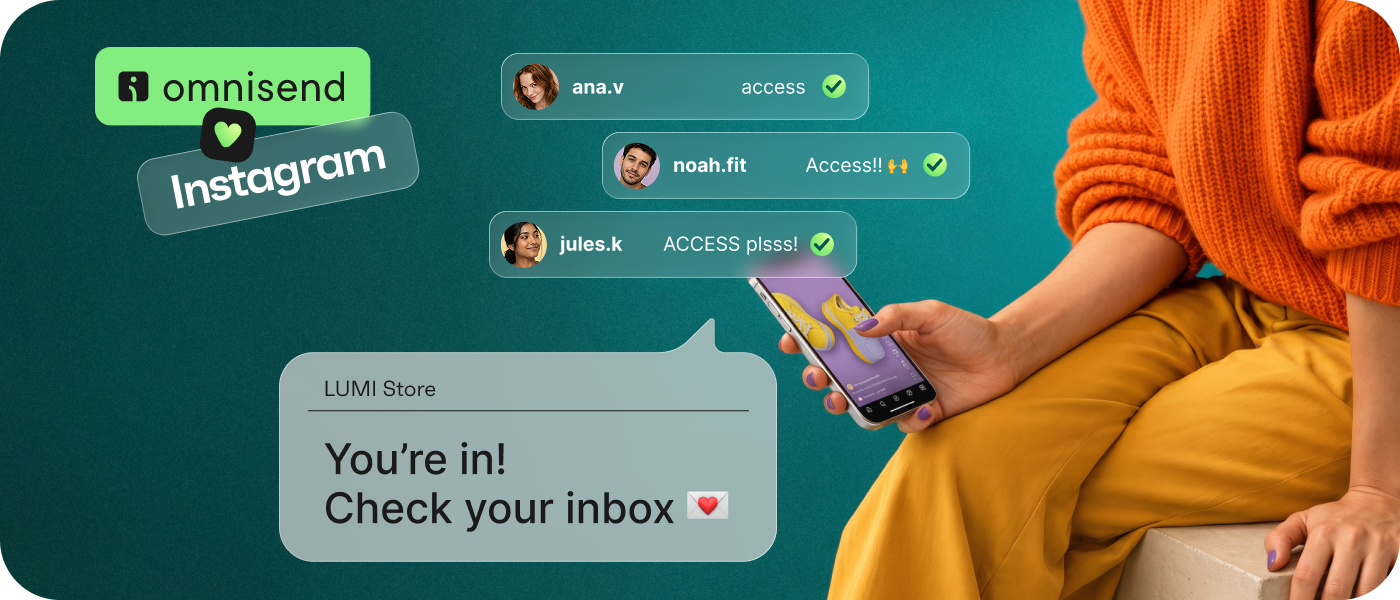
Omnisend’s Social Capture lets you collect their email right inside Instagram, while they’re already engaging with your brand.
Here’s how it works:
- Connect Instagram and choose a keyword, with an optional discount for subscribing.
- Omnisend automatically DMs anyone who comments or messages that keyword, asking for their email.
- Those who subscribe go straight into your Omnisend list, ready for your welcome series.
You’ll have a way to follow up with interested shoppers when your next offer goes live, without hoping they see another post.
New to Omnisend? Its ecommerce email and SMS platform is trusted by 150,000+ brands. Migration is free and takes up to five business days.
Start collecting subscribers before your next launch needs them.
🛒 Google's universal cart vs your own checkout: where should the sale close?
Google's Universal Cart is now live for US shoppers in Search and the Gemini app. Search Engine Roundtable reported on October 23 that a cart icon sits at the top right of results, product listings carry "Add to cart" buttons, and the cart works across Google Shopping with Google Pay and a "My orders" tab.
A shopper can now build a basket across several stores without visiting any of them. That forces a choice about where you want your sales to close.
Option A: Google's cart
Wins when: your products get compared side by side, such as electronics, home goods or gifts. A shopper collecting items across stores is unlikely to leave Google to visit yours, so being easy to add beats being visited.
Costs you: the visit. Shoppers who never land on your site miss your bundles, upsells and email signup, and you compete mostly on price, shipping and reviews.
Option B: Your own checkout
Wins when: your profit comes from what happens on site, such as bundles, quizzes, subscriptions or a strong first-order email capture.
Costs you: convenience. With a competitor one tap away in Google's cart, sending the shopper to a separate site adds a step at the exact moment they're ready.
The deciding question
How much of your profit per order comes from what shoppers add after they land? Compare first-item value with final order value across last month's orders. A shopper who lands for a $40 item and leaves with $58 in the cart shows your site adding $18. If add-ons lift the average order by a third or more, your site is earning its keep.
The verdict
Both, with different products in each lane. Get every product cart-ready on Google, and put your effort into winning visits for the products your site sells better, such as bundles and subscription items. In my judgment, resisting Google's cart entirely is a losing position for commodity products.
Coverage so far hasn't detailed merchant controls, so check Merchant Center for new settings before planning around them.
What cart-ready means
- Shipping speed and cost filled in accurately for every product
- Return window stated in the feed and on product pages
- Feed prices matching site prices, so listings don't get held back
Your homework
Split your top 20 products into two lists: products shoppers compare on price, and products your site sells better than any listing can. The first list gets feed work. The second gets landing pages built to win the click.
📢 OpenAI rolls out visual ads and launches ChatGPT business hub
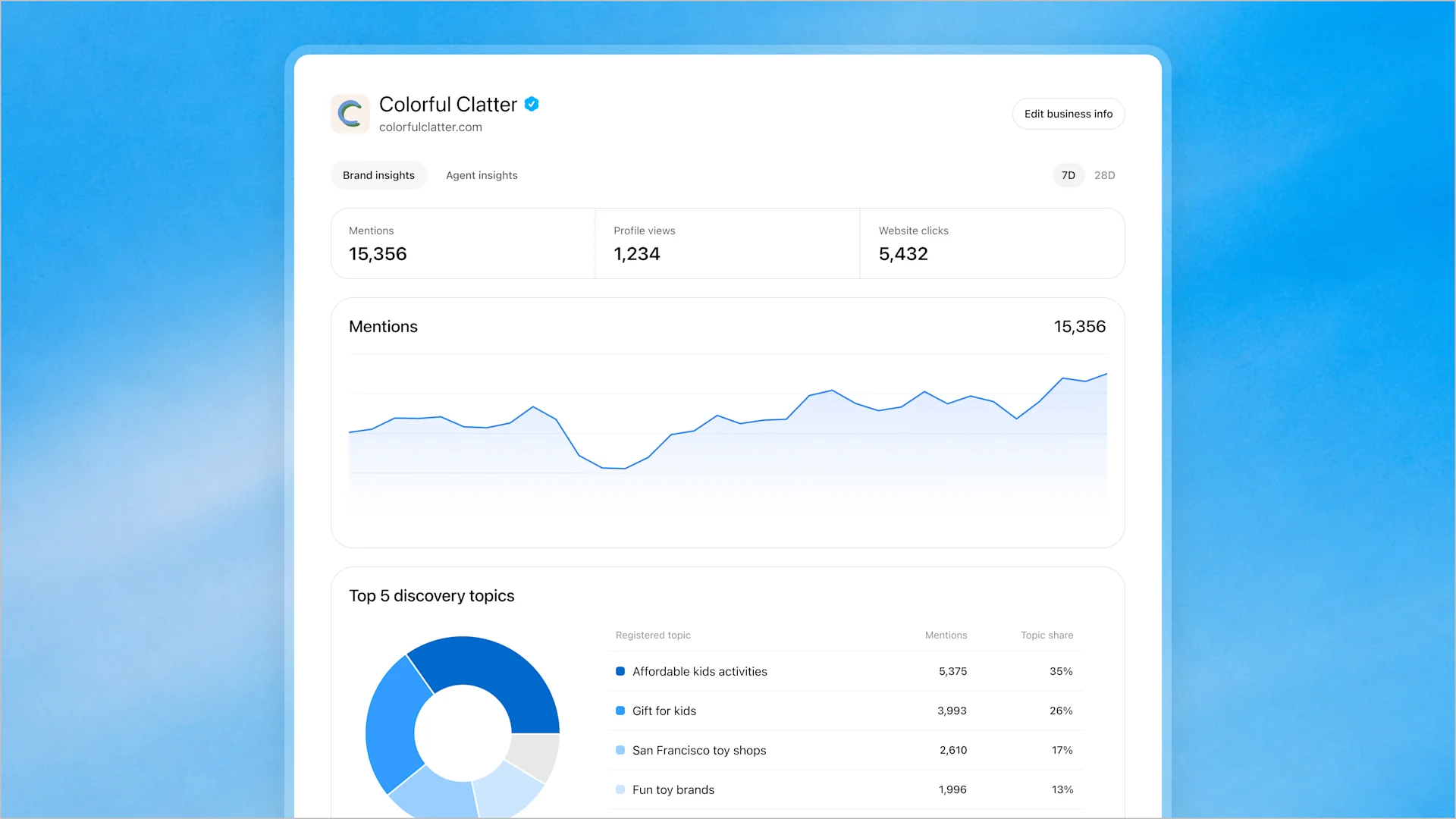
OpenAI is expanding ChatGPT's advertising and business capabilities with visual ads during image generation and a new Business Hub that helps companies track visibility, manage their profiles, and connect with customers.
The Breakdown:
- ChatGPT Business Hub is now available in beta, allowing verified businesses to track brand mentions, website clicks, and discovery topics to understand how customers find them through ChatGPT.
- Businesses can claim their profiles through phone or DNS verification, update their information and, if eligible, launch AI-powered Business Agents to answer customer questions and explain their offerings.
- ChatGPT is rolling out visual ads that appear while users generate AI images, displaying sponsored content separately from the conversation and disappearing once the image is ready.
- The new ad format is being tested with select U.S. advertisers, featuring clearly labeled promotions for products, services, and experiences. Early users have begun reporting live placements.
OpenAI is turning ChatGPT into a platform where businesses can advertise, measure their visibility, and engage potential customers. With website click data and verified AI agents, brands have new ways to understand their presence and reach customers directly through AI conversations.
Together with AirOps
See how competitors are selling inside ChatGPT
You probably know what competitors say on their websites. But what message are they putting in front of people asking ChatGPT for help?
Seeing their pitch can help you decide how to position your own offer.
The AirOps ChatGPT Ad Library lets you search by brand name or domain to see competitor ad messaging and the prompts where those ads appeared. With 6,000+ brands listed, there’s plenty to explore before you write your own brief.
See how a competitor positions its offer in a specific conversation. Then consider what would make yours worth a click.
Use what you find to choose a stronger messaging angle and give your team a concrete reason to test it.
Before you spend on your first test, see how competitors are making their pitch.
👨💻 Quick Hits
👀 LinkedIn is testing a frequent viewer feature for Premium subscribers, allowing users to see who repeatedly visits their profile and how often, potentially helping identify interested professional contacts.
🎯 Google Ads introduced three audience reach controls, allowing advertisers to target broadly, restrict by age and gender, or match all selected segments, with warnings that tighter restrictions may reduce campaign performance.
📊 Google Ads introduced a new ValueTrack parameter to identify AI Max expansion traffic, allowing advertisers to distinguish AI-driven clicks from standard keyword matches and compare performance through analytics reports.
🛍️ Instagram is introducing AI-powered shopping through DMs with VibeDM, enabling virtual try-ons in 15 seconds, product browsing, and in-chat checkout, initially launching with eight brands across the US and Europe.
That’s a wrap for today! Tell us your thoughts about today's content as we line up more Shorts! And don’t hesitate to share this with someone who’d adore it. 🥰