
Email previews need your attention
⏳ It's 11:47 pm on a 24-Hour Drop and her phone never shows the preview text at all, New research challenges marketing assumptions, and more!

Hey there Smarty 👋
Are you geared up to catch the latest and greatest in quick shorts?
And just a quick heads-up! If you stumbled upon us through a friend, make sure to subscribe here! That way, you’ll never miss out on the trending shorts.

⏳It's 11:47 pm on a 24-Hour Drop, and Her Phone Never Shows the Preview Text at All
A streetwear brand's flash-drop email lands in a customer's inbox. She's on an iPhone, Apple Intelligence enabled, and the preview line under the subject isn't the preheader the team wrote.
It's been replaced entirely, before she ever opens anything, by a one-line summary Apple Mail generated itself from reading the email body. A small grey icon marks it as a summary, not the original text, and most recipients never notice the difference or go looking for a setting to turn it off.
This is Apple Mail specifically, not a blanket "every inbox now works this way" problem. Gmail's AI summarization currently works mostly after the open, a summary card once the email's already been read, which is a different problem, whether someone bothers to click through once the summary satisfies them, not whether they open at all.
Apple's version is the one deciding the open itself, silently substituting whatever the drop email's carefully written preheader said with its own read of the content.
That's the part most DTC drop calendars haven't adjusted for. A lookbook-style email, hero image, brand story, offer buried three scrolls down, gives Apple's model almost nothing clean to summarize, and a vague AI-generated line kills the open before the subject line's even registered.
The fix: front-load the exact mechanic in the first visible line of body content, not just the preheader field, since the preheader itself may never reach the recipient at all on an Apple Intelligence device. "40% off, ends midnight, limited restock" summarizes cleanly regardless of what field it technically lives in.
Checking this manually during a live drop means opening the campaign on an actual Apple Intelligence device right after sending and reading the summary that was generated. An AI connected to a live Omnisend account can draft the corrected opening block in the minutes before a drop goes out, written to summarize cleanly regardless of which field Apple decides to read from.
Omnisend runs on the same infrastructure that already serves 150,000+ brands; migration-free within five days. Pull the last flash-sale campaign and check it on an actual iPhone before the next drop goes live at midnight. You can get started with ready-made prompts
Together with Stack Influence
The ad channel where the creative buys your product first
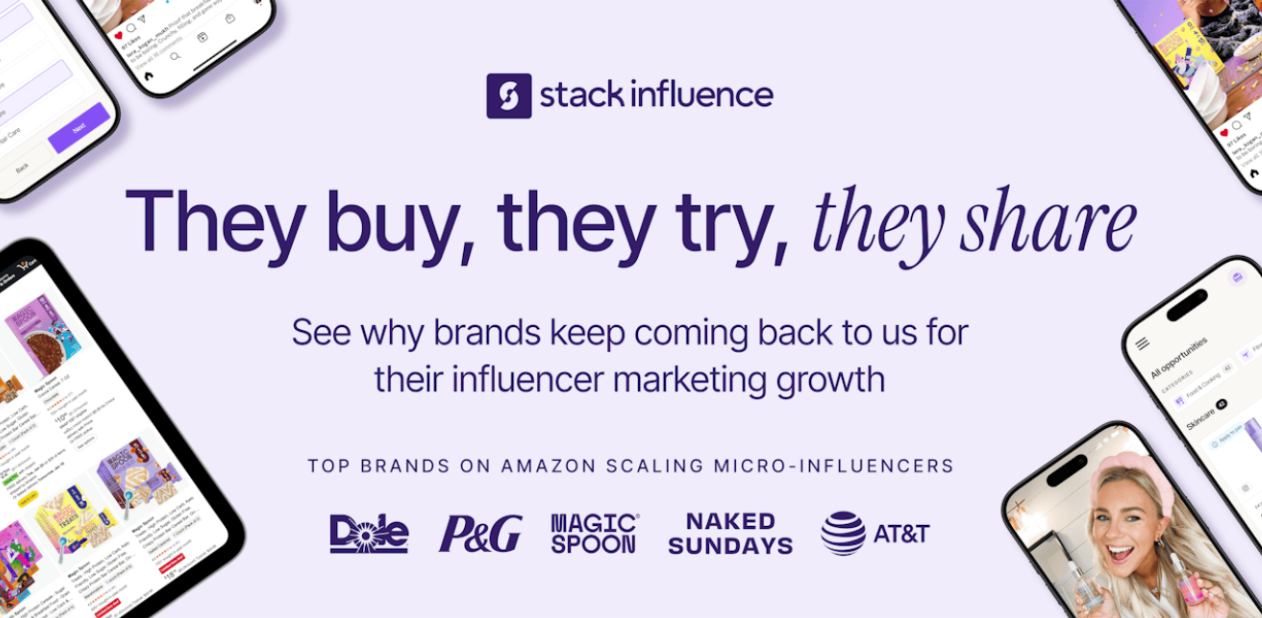
Most UGC is actors holding products they were shipped for free. The audience can tell.
Stack Influence runs it differently: vetted micro-influencers purchase your product on Amazon, use it, then create the content.
The result is creative with receipts - and a side effect most channels cannot offer: those real purchases drive sales velocity that lifts your organic Amazon rank while the content earns external traffic.
You get full-rights image and video UGC to repurpose across paid social, paying per creator instead of per impression.
One brand activated 187 creators: BSR up 11X, recurring sales up 8X, $342K YoY. Another went from zero to $150K a year plus an Amazon's Choice badge on 291 collaborations. Magic Spoon, Unilever, and Thrasio all run this engine.
Sign up in the next two weeks and take 10% off your first campaign.
📊 New Research Challenges Marketing Assumptions
Two new reports suggest that collecting more data and publishing more content don't automatically lead to better results. The real advantage comes from using insights and existing content more effectively.
📱Social Intelligence Isn't Reaching The Business
Sprout Social found 93% of marketers see social intelligence as important for growth, but only 36% regularly use those insights outside the marketing team, leaving valuable customer feedback stuck in silos.
The impact is significant: 33% of organizations missed cultural shifts, 31% overlooked changing customer preferences, 26% escalated issues that could have been solved earlier, while 74% said social delivers insights faster than traditional research.
✍️ Publishing More Isn't The Answer
New SEO analysis suggests more content doesn't always mean better results. As Google leaves more pages unindexed, crawl budget, internal linking, and content quality are becoming more important than publishing volume.
The data backs it up. QuickBooks deleted 2,000+ articles and saw 20% more traffic with 70% more lead signups. Userpilot removed nearly 25% of its content and recorded its highest-traffic month.
Both reports point to the same shift: success is becoming less about doing more and more about making better use of what you already have. Whether it's customer conversations or existing content, the teams that organize, share, and optimize their data are more likely to outperform those simply increasing output.
👨💻 Quick Hits
📱 55% of Americans now post less on social media than they did five years ago, with more users shifting to private messaging while algorithm-driven entertainment and short-form videos replace traditional social networking.
📺 Google Ads has globally launched Video Campaign Groups, letting advertisers optimize reach and frequency across multiple YouTube campaigns. Google says 2.7 weekly impressions increased ROI by 19%, while unified reporting helps reduce audience overexposure.
🛍️ Asia is setting the future of retail, with 59% of APAC consumers shopping via social commerce, while 68% of North Americans have never made a social purchase. NIQ says brands ignoring live commerce, social commerce, and quick commerce risk falling behind.
⭐ 88% of U.S. consumers have skipped a local business after reading negative reviews, while 78% won't consider businesses rated below 4 stars. Responding within 1–3 days can rebuild trust, with 78% saying thoughtful replies improve credibility.
💃 Events
🔥 How to Tell Which Content Will Survive Google’s AI Overviews
Today | 60 Minutes | Virtual Event Not every format is losing value equally. Cyrus Shepard’s research across 400+ sites reveals the 17 content types with the best chance of surviving, the five traits growing sites share, and how to turn proprietary assets into content Google cannot easily replace.
Can't make it live? Register anyway, you'll get the recordings within 24hours.
That’s a wrap for today! Tell us your thoughts about today's content as we line up more Shorts! And don’t hesitate to share this with someone who’d adore it. 🥰