
Breaking the TV Ads Myth
📺 Don’t skip TV just because you cannot measure it like digital, and Google Simplifies Smart Bidding And AI Disclosures

Hey there Smarty 👋
Are you geared up to catch the latest and greatest in quick shorts?
And just a quick heads-up! If you stumbled upon us through a friend, make sure to subscribe here! That way, you’ll never miss out on the trending shorts.

📺 Don’t skip TV just because you cannot measure it like digital
The myth keeping TV out of most DTC media plans: it's a brand-awareness play, unmeasurable at the level performance marketers actually operate, a bet you make on faith and check back on months later with a lagging brand-lift study that tells you what already happened.
The reality is that the measurement gap isn't inherent to the channel, it's inherent to how most brands still buy it, through legacy insertion orders that report reach and impressions and stop there. Impressions were never the number that mattered.
Whether a specific dollar of spend produced an actual site visit, signup, or purchase is the number that matters, and that's a measurement architecture problem, not a limitation of television as a medium.
Saatva saw a 40% lift in branded search from their very first test on a platform built around this distinction, tying every dollar back to actual site visits, signups, and revenue rather than impressions that look good on a report and prove nothing about what they produced.
That's the same rigor performance marketers already apply to Meta and Google, applied to a channel most of them assumed couldn't support it.
The practical test before writing off TV entirely: ask whatever platform or vendor is being considered one direct question. Can spend be tied to site visits and revenue by specific flight, specific creative, specific daypart, the same granularity already expected and demanded from a Meta ad account before a single dollar gets approved.
If the answer is a brand-lift study landing in eight weeks, that's the legacy version of the channel. If the answer is a dashboard showing exactly where every dollar ran and what it produced, that's the version worth actually testing.
Tatari runs linear TV, streaming, and direct publisher buys from one platform built specifically around this question, showing exactly where every dollar ran and what it produced instead of a reach number and a hope. Aroma360 cut CPA by 80% and doubled ROAS from a $14K linear pilot using exactly this measurement approach.
Every week spent assuming TV can't be measured the way digital can is a week a competitor in the same category spent actually testing whether it can, and coming back with a branded search lift or a CPA number that makes the assumption look expensive in hindsight. You can book a free demo and get a launch-ready TV plan built around your numbers.
Together with Omnisend
The AI prompt that writes your monthly email report for you

Want your monthly marketing report without spending an afternoon on it? Now that Omnisend works with Claude and ChatGPT, you can just ask for it.
Ask your AI: "Give me a monthly summary of my Omnisend account I can share with my team. What worked, what didn't, how this month compared to last month across campaigns, automations, revenue, and subscribers, and what we should focus on next month."
It reads your real account and hands back a report that's ready to send, not a template you still have to fill in.
Not using Omnisend yet? Join more than 150,000 brands generating an average of $79 for every $1 spent.
Migration is free and takes up to five days, while pricing is up to 35% lower than Klaviyo's.
📢 Google Simplifies Smart Bidding And AI Disclosures
Google is rolling out updates that make campaign setup simpler while adding new AI transparency tools for advertisers.
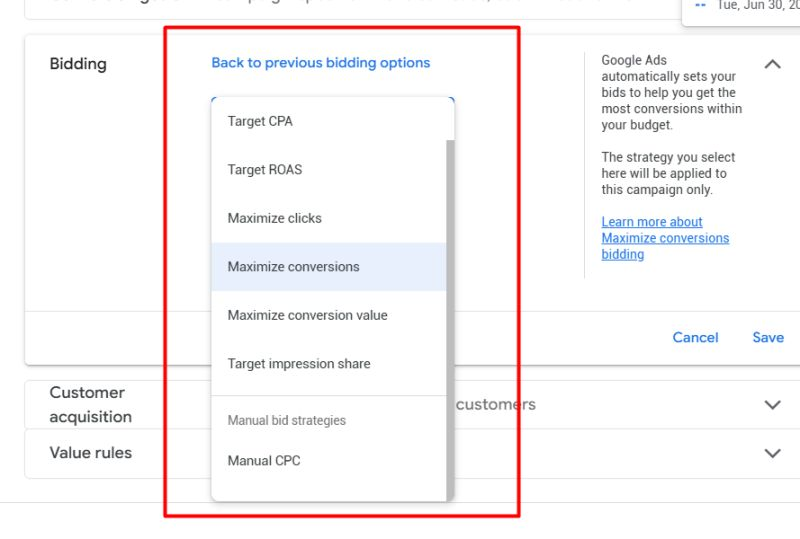
Smart Bidding Gets Clearer: Target CPA and ROAS now appear as standalone bidding strategies instead of being hidden within Maximize Conversions, making campaign setup more intuitive ahead of Google’s August bidding changes.
Built-In AI Labels Arrive: Advertisers can now add AI-generated content labels directly to image and video assets across Google Ads, DV360, Merchant Center, Campaign Manager 360, and Ads Editor.
Built For Compliance: The labels are designed to help advertisers meet growing AI transparency requirements, while Google may also automatically label creatives generated using its own AI tools.
Why It MattersGoogle is making campaign management simpler while helping advertisers prepare for stricter AI disclosure rules and upcoming Smart Bidding updates.
👀 Quick Hits
🚀 Ship, brief, launch in 48 hours. Insense makes UGC that simple. Instead of chasing creators, you tap a global pool of 100,000+ specialists who deliver on-brand content in 48 hours. That’s how Nurture Life cut turnaround from 2 months to 2 weeks with a single marketer. Book your free strategy call and claim your $200 bonus.
💰 An EY survey found 98% of businesses have rethought their AI strategy due to rising token costs, yet nearly all still report positive ROI, with many accelerating rather than slowing AI adoption.
🛒 Google Ads introduced Product Clicks and Non-Product Clicks metrics, giving advertisers clearer insights into whether shoppers clicked specific products or engaged with other parts of an ad like the headline or brand name.
💰 Google Ads is rolling out Household Income Exclusions for Performance Max campaigns, allowing advertisers to exclude specific income brackets at the campaign level for more precise audience targeting.
📈 Google said AI Max is unlocking billions of new monetizable searches by using Gemini to match ads with complex conversational queries, with 500,000+ advertisers already using the feature.
That’s a wrap for today! Tell us your thoughts about today's content as we line up more Shorts! And don’t hesitate to share this with someone who’d adore it. 🥰