
Audit your TikTok Shop program
👀Your TikTok shop commission ceiling isn’t one number. It’s two, Google, Microsoft, and Cloudflare change how search visibility gets measured, and more!
Hey there Smarty 👋
Are you geared up to catch the latest and greatest in quick shorts?
And just a quick heads-up! If you stumbled upon us through a friend, make sure to subscribe here! That way, you’ll never miss out on the trending shorts.

👀 Your TikTok Shop commission ceiling isn’t one number. It’s two.
A TikTok Shop program can look healthy on the surface while quietly becoming less profitable every month. GMV grows, orders increase, and creators keep driving sales, yet margins continue to shrink.
The problem often starts with one assumption. Every product is given the same commission ceiling. That sounds logical until you look at what happens after the first purchase.
Not every product earns its profit the same way
The real question isn’t “How much margin does this product have?”
It’s “Where does the customer’s next purchase happen?”

Those two products shouldn’t share the same commission ceiling.
They’re solving different business problems.
Build the commission around the economics
An acquisition product can often justify a much higher commission.
The first transaction may break even or even lose money because the platform’s real job is introducing a customer who becomes profitable later through owned channels.
A retention product doesn’t have that advantage.
If customers keep reordering through TikTok Shop, every purchase continues paying platform commission. The ceiling therefore has to work on the economics of each individual transaction rather than future lifetime value.
Applying one formula to both usually creates one of two expensive mistakes.
- An acquisition product gets underfunded and never receives enough creator support to gain momentum.
- A retention product receives an overly generous commission and slowly gives away margin on every reorder.
Decide before you set the rate
The commission discussion should start with customer behavior, not product margin.
Before assigning a commission ceiling, review where repeat purchases actually happen.
If customers typically return through your own website, email or subscription program, treat the product as an acquisition vehicle and evaluate commission against customer lifetime value.
If repeat purchases continue inside TikTok Shop, evaluate the commission against the profitability of each individual order instead.
That one distinction changes the economics of the entire program.
A growing GMV chart doesn’t automatically mean a profitable TikTok Shop strategy.
The better question is whether you’re paying today’s commission to acquire tomorrow’s customer or paying that same commission every time the customer comes back.
Together with Insense
How Kulin Found a 2X ROAS Ad in Two Weeks
Finding creators becomes painfully slow when the brief requires a very specific profile. Manual searching can consume hours before production even starts.
Kulin Co faced exactly this problem. Its two-person creative team needed female beauty creators aged 40+ for an upcoming paid campaign.
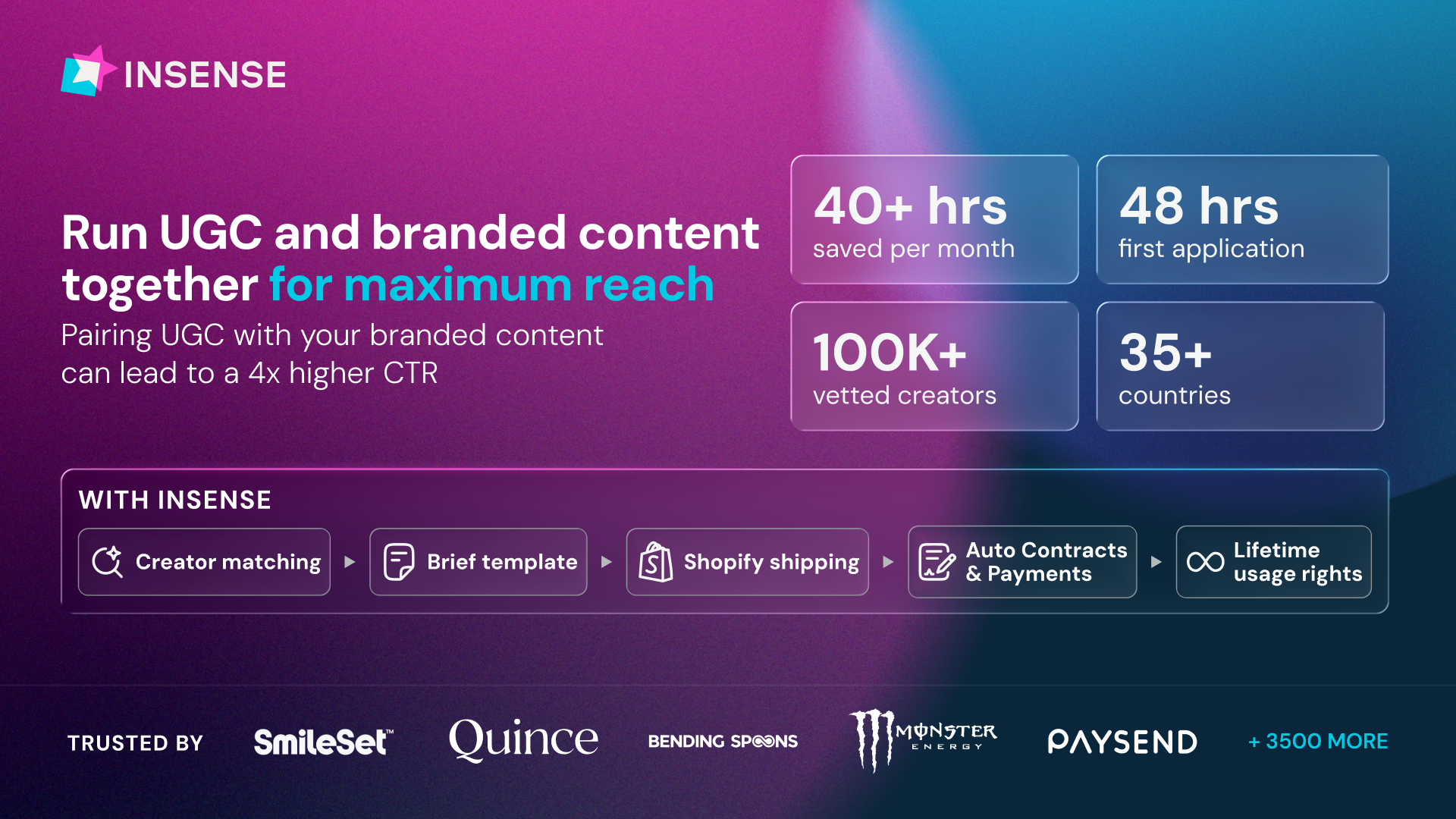
Insense gave the team a faster way to find them. Kulin filtered from 100,000+ vetted creators across 35+ countries by age, location, niche, and profile, then managed briefs and product shipping through the same platform.
Final UGC arrived within two weeks.
Kulin turned the raw footage into six paid ads, and the campaign achieved 2X ROAS.
No matter how specific the brief, Insense helps you find the right creator, and the first applications can arrive within 48 hours, and get content with lifetime usage rights.
Over 3500 brands like Strawberry.me, Bending Spoons, Wellhub, and PetLabCo trust Insense to make organic and paid work together, not separately.
Book a strategy call by August 14th for $200 platform credits for your first campaign!
🔎 Google and Cloudflare change search access
Google, Microsoft, and Cloudflare are introducing changes that affect search visibility, AI indexing, analytics, and advertising. Together, they signal that search optimization now extends far beyond traditional rankings.
The Breakdown:
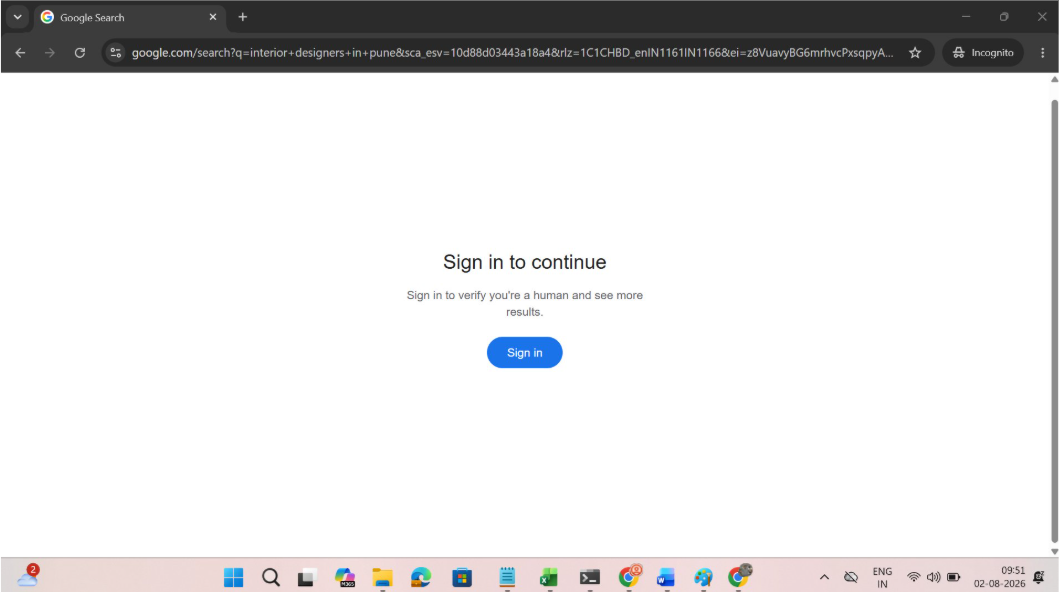
Search Access Changes - Google is testing account sign-ins instead of CAPTCHAs for deeper search results, a change that could limit rank trackers, SERP scrapers, and SEO monitoring tools.
Crawler Rules Tighten - From September 15, Cloudflare will block mixed-purpose crawlers like Googlebot under AI training restrictions, with early reports already showing 403 sitemap errors.
AI Overview Changes - Top Stories now appear inside 15.5% of U.S. AI Overviews, while blocking Google-Extended does not remove content. The new Search Console AI exclusion is the correct control.
Better AI Analytics - Microsoft Clarity now separates branded and non-branded AI citations, making it easier to distinguish brand demand from generic discovery and measure AI visibility more accurately.
Search Ads Evolve - Google is testing keyword-rich hyperlinks inside Search ad descriptions, creating additional clickable elements that could improve engagement and click-through rates.
Search is becoming fragmented across AI answers, crawlers, analytics, and ads. Brands should audit Cloudflare bot settings before September 15, verify AI visibility controls, track AI citations separately from rankings, and prepare for a future where measuring search performance requires more than monitoring blue links.
👨💻 Quick hits
📈 Seeding works when creators actually activate. Quip achieved an 85% posting rate, with 32 of 37 influencers live, by sourcing intentionally instead of blasting outreach. Insense lets marketers control discovery, seeding, and usage rights in one workflow. Book a free strategy call and unlock $200 for your first campaign.
🛍️ YouTube expanded its Shopping Affiliate Program to the UK, letting eligible creators with 500+ subscribers tag products in videos, Shorts, and livestreams to earn commissions from partner retailers.
🔍 Google will automatically upgrade eligible Search campaigns to AI Max starting September 1, enabling AI-powered search term matching and text customization for campaigns using Automatically Created Assets or broad match.
🏷️ Google published guidance for Deal Ends annotations in Shopping ads, highlighting eligible limited-time discounts with urgency badges like “3 days left” to help boost clicks and conversions.
🎯 Google says its Smart Bidding update on August 17 will make Target CPA and Target ROAS campaigns more predictable by prioritizing bid targets over budget constraints in budget-limited campaigns.
That’s a wrap for today! Tell us your thoughts about today's content as we line up more Shorts! And don’t hesitate to share this with someone who’d adore it. 🥰