
AI Search Trusts Other People
🔎 Earned media drives most AI citations today, Google and TikTok are building systems that turn intent into action, and more!
Hey there Smarty 👋
Are you geared up to catch the latest and greatest in quick shorts?
And just a quick heads-up! If you stumbled upon us through a friend, make sure to subscribe here! That way, you’ll never miss out on the trending shorts.

🔎 AI Search Trusts Other People
84% of citations in AI Mode answers come from earned media. Not your blog. Not your resource centre. Not the pillar pages your content team spent six weeks producing.
Third-party publications, industry reports, external mentions, and content that lives on domains your team does not control are what AI retrieval systems are citing most heavily, and the mechanism behind this is not accidental.
AI systems are trained to surface answers that appear independently verified. A claim validated by an external source carries more retrieval weight than the same claim made on your own website, for the same reason a quote in a trade publication is more persuasive than a line from your own press release.
Your owned content tells the AI what you claim; earned media tells it what others have confirmed. In an environment where AI is making recommendations to buyers, the second signal is the one it trusts.
The budget and strategy implication is direct. If your content investment is weighted heavily toward owned production with distribution as an afterthought, you are funding the 16% and leaving the 84% to whatever earned coverage your brand generates without a strategy behind it.
On July 9, Jairo Guerrero, Founder of Organic Hackers, is joining AirOps to cover the technical side of this pipeline, specifically what server logs reveal about how AI crawlers move through your site and which pages get excluded before the content question even comes up. You can secure your free spot here.
Two investments compound over time in earned citation. The first is proprietary research: a study or dataset your brand produces gives external publications something worth citing, and that citation accumulates across every publication that references the finding.
The second is consistent third-party placement, bylines, expert contributions, and quoted positions in category media. Neither of these is a new idea. AI search has made them the primary game rather than a secondary one.
The brands building citation equity fastest are treating earned media as an AI SEO function rather than a PR one. That reframe changes which publications matter, which formats to pitch, and what the content inside those placements needs to contain to generate a citation rather than just a mention.
Together with Insense
Turn One Creator Drop Into Weeks of Q5 Ads
Mid-year reviews land this week, and everyone's pulling up the same ad set that's been running since April.
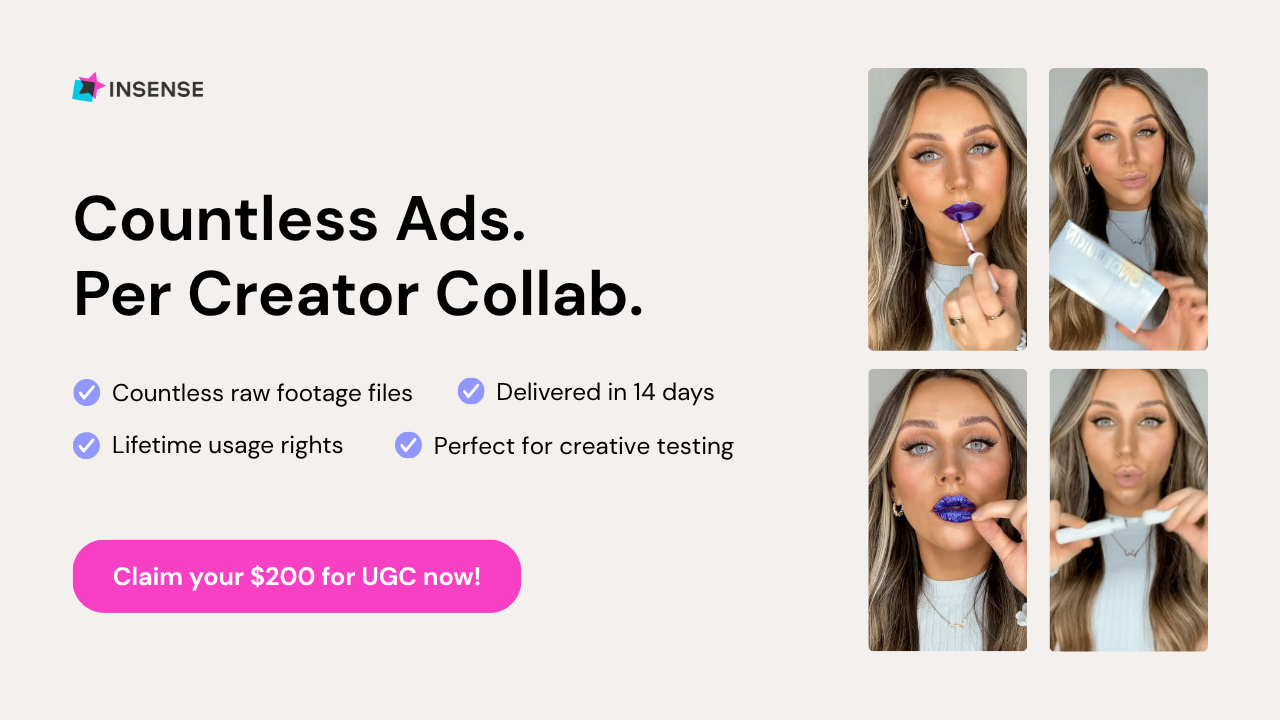
This is exactly where Insense saves you. You get fast, affordable UGC at the volume Q3 demands without blowing up your team's bandwidth.
- 20+ raw assets from each creator you can spin into dozens of variations.
- 14-day turnaround so you never fall behind rising CPMs.
- Lifetime usage rights, so every winning cut keeps earning for months.
Over 3,500+ brands like Quip, Revolut, and Matys use Insense for one reason: it keeps creative supply high when everything else slows down.
Imagine finishing Q2 with a full folder of fresh ads ready to deploy instead of praying old winners magically revive.
Book a free strategy call and get $200 for your first campaign.
🎯 AI Is Taking Over The Marketing Busywork
The latest platform updates aren't about better dashboards. They're about removing dashboards altogether. Google and TikTok are both pushing toward a future where marketers describe what they need and AI handles the execution.
The Breakdown:
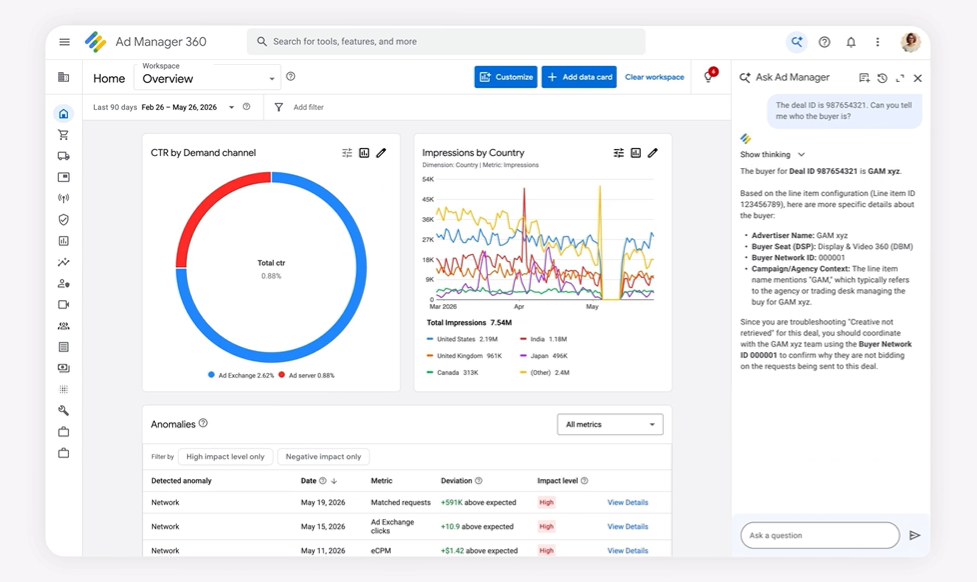
Ask Instead Of Digging - Google's new Ask Ad Manager lets advertisers troubleshoot campaigns through conversation, surfacing account-specific insights, custom reports, performance analysis, and direct paths to the settings that matter.
From Data To Decisions - Rather than forcing users through filters, reports, and menus, Google's assistant interprets campaign data, explains issues, answers follow-up questions, and helps identify revenue opportunities faster.
Campaigns From A Prompt - TikTok's Symphony Agent can analyze successful content patterns, generate ad concepts from text, images, or examples, and even build complete video campaigns using Seedance 2.0.
Beyond Video Creation - The platform also added AI avatars, multilingual dubbing, creator brief generation, creator discovery, and trend-based recommendations, giving marketers an end-to-end creative production workflow.
Marketing platforms are increasingly acting like operators instead of tools. Google wants advertisers talking to their data, while TikTok wants brands generating campaigns from ideas. The common goal is reducing the distance between strategy and execution.
👨💻 Quick Hits
👓 Meta launched a new $299 AI glasses lineup, featuring three styles, all-day Meta AI access, photo/video capture, and 8+ hour battery life as the company pushes smart glasses toward mainstream adoption.
📊 YouTube expanded its ad intelligence tools, adding trend insights in Google’s Insights Finder, creator partnership data, Brand Pulse metrics, and Gemini-powered recommendations to improve Demand Gen campaign performance.
🤝 Anthropic launched Claude Tag for Slack, letting teams assign tasks to @Claude directly in channels. The AI can retain context, access approved tools, work across repositories, and handle long-running tasks beyond a single prompt.
🛒 Shopify launched Campaign Autopilot, an AI marketing tool that builds, runs, and optimizes campaigns across Meta, Shop Campaigns, and email, with ChatGPT Ads, Microsoft Ads, and Snapchat coming next.
That’s a wrap for today! Tell us your thoughts about today's content as we line up more Shorts! And don’t hesitate to share this with someone who’d adore it. 🥰