
Ads are not to convince people
🤡 You’re fighting the wrong battle with your ads, Google had three updates worth knowing this week, and more!
Hey there Smarty 👋
Are you geared up to catch the latest and greatest in quick shorts?
And just a quick heads-up! If you stumbled upon us through a friend, make sure to subscribe here! That way, you’ll never miss out on the trending shorts.

Together with Templafy
Your team is prompting AI decks. Your brand has no idea.
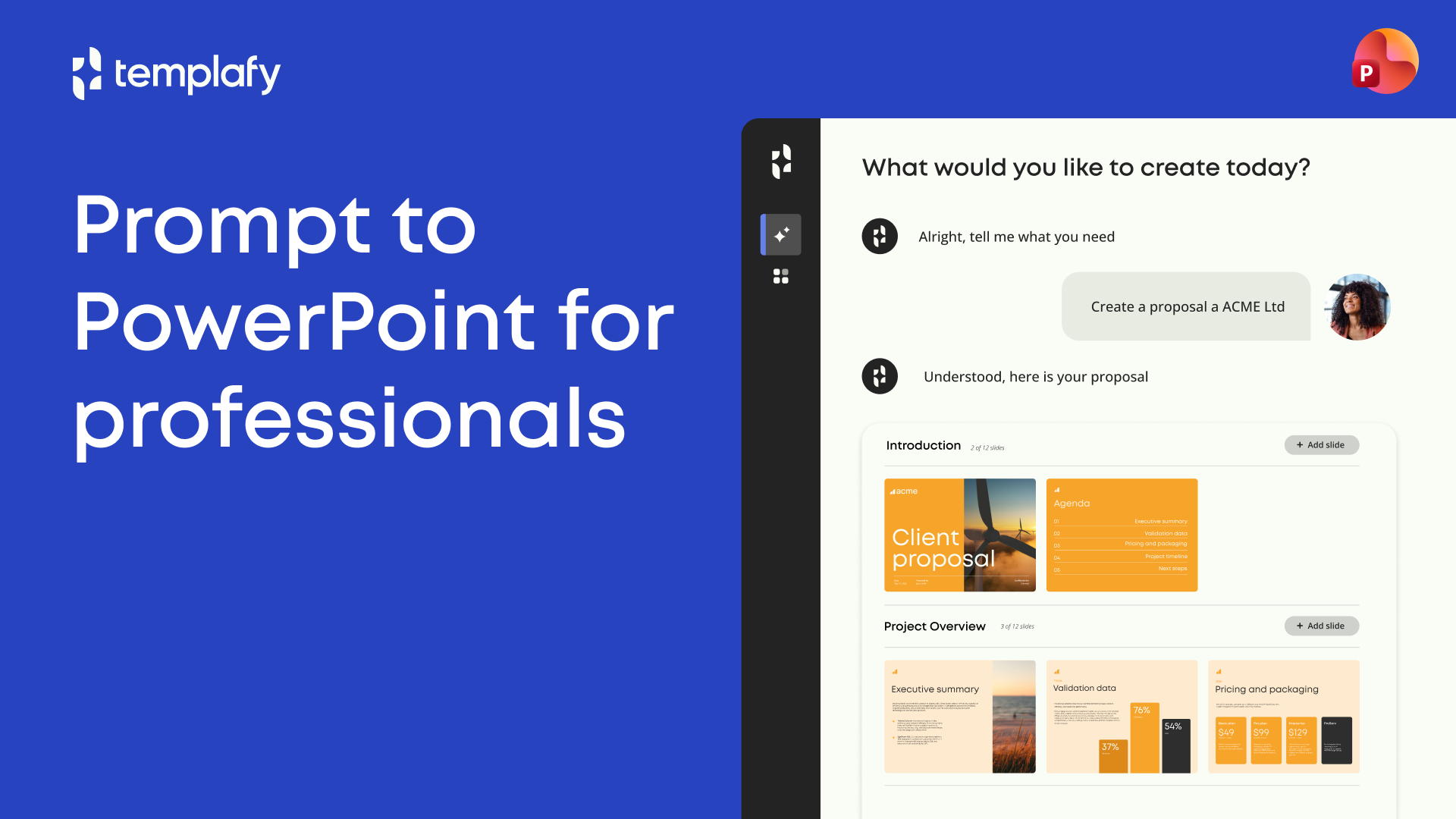
Every presentation your team generates without guardrails is a brand liability waiting to happen.
Templafy works inside PowerPoint. You set the brand rules, approved assets, and content guardrails once. Every AI-generated deck your team builds after that follows them automatically.
- Brand rules are enforced on every AI-generated deck
- Client-ready presentations that are on-message by default
- 4M+ users at Adobe, KPMG, and Pandora are already running on it
BDO saved $1.65M in a year. Adobe teams got back 72% of their time. Your brand shows up right, every time, without you having to police it.
🤡Ads are not to convince people
Here's the assumption every performance marketer runs on: ads convince people to buy.
Wrong.
Buyers don't get convinced. They get exhausted. They sit alone at midnight, tab open, arguing with themselves and eventually they stop fighting. The purchase happens not because your ad won. It happened because their resistance ran out.
The brands scaling right now aren't the ones with the best arguments. They're the ones whose ads left a residue that survived the silence.
Mine your worst reviews, not your best.
Your 5-star reviews speak to buyers already going to convert. Your 3 and 4-star reviews, left by people who almost didn't buy, who tried it expecting to be let down, those are your actual sales team.
Find the review that sounds like the internal monologue of your coldest prospect. That is your hook, your headline, and the one thing your ad needs to say.
Sort those reviews by the objection they contain, not the rating. Price objection buyers need math. Trust objection buyers need someone who looked foolish for doubting and wasn't. Effort objection buyers need "it was easier than I expected."
Each objection is a different ad aimed at a different buyer at a different stage of their private argument.
Match the objection to the audience signal.
Cart abandoners get price-objection creative. Cold audiences who bounced from your product page get trust-objection creative.
Lapsed customers get effort-objection creative. You're not running ads. You're running targeted conversations with buyers already mid-argument with themselves.
Stop writing ads that push. Start writing ads that pre-load.
The buyer's moment of maximum doubt happens in private. No algorithm reaches it. But the ad they saw three days ago either left something behind or it didn't.
The ones that leave something behind plant a felt memory of someone who had the same doubt and moved anyway. That memory is what closes the sale at midnight. Build for that moment, not the click.
Kill the creative that convinces. Test the creative that outlasts.
Stop asking which ad argued better. Start asking: which ad left the buyer's resistance lower three days after seeing it? Measure post-view conversion windows, not click-through.
The ad that wins the click often loses the sale. The ad that loses the click sometimes closes it four days later in a private tab at midnight.
Never lead with the product. Lead with the doubt.
The best ad you will ever run feels like the buyer finally hearing their own hesitation spoken out loud by someone who had it, kept going, and didn't regret it.
That's not persuasion. That's permission. And permission is what actually converts.
Together with The Shift
Stop Reading About AI. Start Getting Results From It.
AI is everywhere, but results are not.
That’s because most newsletters tell you what AI can do, not how to use it.
The Shift focuses on a single topic per edition. A real problem AI can solve today.
You’ll see real examples, short workflows, and proven prompts that help you work faster, think better, and automate intelligently.
Once you subscribe, you get access to 3,000+ curated AI tools, 500+ prompts, and free AI Courses so nothing stays theoretical.
If you want AI to pay you back in time and leverage, not just ideas, you’ll like this.
Subscribe to The Shift for free.
🔍 Google Had Three Updates Worth Knowing This Week
From a consent overhaul to reviving a familiar tool and clearing up a page size myth, Google dropped several updates that directly affect how marketers track, report, and optimize.
The Breakdown:
Google Ads Consent Is Getting Simpler and Stricter - From June 15th, Google Ads will rely solely on the ad_storage consent signal, removing its dependency on Google Analytics configurations. Grant consent and all ad signals flow. Deny it and Google falls back to URL parameters only.
Data Studio Is Back - Google is reviving Data Studio three years after rebranding it as Looker Studio. The free version covers quick analysis for individuals and small teams. Data Studio Pro adds security, compliance, and AI capabilities for larger organizations.
Googlebot File Size Limits Are Per File Not Per Page - Google's 2MB Search limit and 15MB general limit apply to individual files, not the entire page. Most sites will never come close to hitting them, this affects less than 0.1% of pages.
Heavy Pages Hurt Real Users - Average mobile homepages have grown from 845KB in 2015 to 2.3MB today. Users do not care about file breakdowns, they care about load speed, and heavy pages directly cost you conversions.
The June consent deadline is the most time-sensitive update here. Data Studio is worth exploring if your team relies on analysts for basic reporting. Heavy mobile pages are a performance conversation worth having now.
🚀Quick Hits
🔧 Meta upgraded the Threads API to support more post types, analytics, and third-party integrations, giving social media managers greater control over publishing, insights, and engagement.
📅 Meta will host its 2026 Conversations event on June 3 in London, focusing on AI-powered messaging, chatbots, and business growth across WhatsApp, Messenger, and Instagram.
🔗 Reddit launched a HubSpot integration in public beta, enabling marketers to manage, analyze, and engage with Reddit campaigns directly within HubSpot’s platform.
⚠️ Google Ads advertisers are facing mass ad disapprovals due to suspected crawler errors (DNS/500 issues), causing sudden traffic drops despite sites working normally.
That’s a wrap for today! Tell us your thoughts about today's content as we line up more Shorts! And don’t hesitate to share this with someone who’d adore it. 🥰