
Breaking the Meta Ceiling
👀 The Meta ceiling is structural, not creative, New LinkedIn and Google features simplify AI for marketers, and more!
Hey there Smarty 👋
Are you geared up to catch the latest and greatest in quick shorts?
And just a quick heads-up! If you stumbled upon us through a friend, make sure to subscribe here! That way, you’ll never miss out on the trending shorts.

👀Breaking the Meta Ceiling
75% of performance marketers are reporting diminishing returns on social spend. Meta CPMs climbed 18% in 2025. The default response is to test more creative, restructure campaigns, and tighten audiences. That instinct is wrong, and here's why.
Auction-based platforms have a physics problem. As spend scales, the highest-intent audience converts first. What remains costs exponentially more and converts less.
Marketing Mix Modeling confirms it: there's a specific inflection point on every channel's spend curve where efficiency breaks regardless of what the creative looks like. You're not running bad ads. You're past the curve.
Suppress before you scale. Before touching creative or budget, audit who's inside your retargeting pool. Recent purchasers, lapsed visitors who didn't convert after five or more exposures, and existing subscribers are all burning spend that should hit net-new audiences. Suppressing these cohorts alone frequently drops CPA 15 to 20% without changing a single ad.
Fix what you're feeding the algorithm. Most teams optimize toward "add to cart" because purchase volume is too low to exit the learning phase. The result is an algorithm that gets better at finding cart abandoners, not buyers.
Server-side tracking via Conversion API recovers signal lost to browser restrictions and gives the platform purchase-level data to learn from, even at lower volumes. This is the single highest-leverage technical fix available to most performance teams right now.
The deeper problem is that Meta and paid search are demand capture channels. They convert people who already know they want something.
They cannot create net-new intent. Every dollar into them competes for a finite pool of existing demand. Growing that pool requires upstream investment in channels that reach people before they're searching.
Add a demand creation layer and watch capture improve. When Jones Road Beauty added TV through Tatari, Meta efficiency improved within the first month.
Not because Meta changed, but because TV reached net-new audiences who then hit Meta already having encountered the brand. The algorithm received fresh unconditional signals from people with no prior brand interaction, which pushed the saturation ceiling outward.
TV now runs at 20 to 25% of their spend during peak. Tatari measures this cross-channel lift in real time alongside your digital channels. You can schedule a demo here.
The ceiling you keep hitting on Meta isn't going to move while every dollar you own operates inside the same auction.
Together with Templafy
Your AI is generating content your brand team never approved.
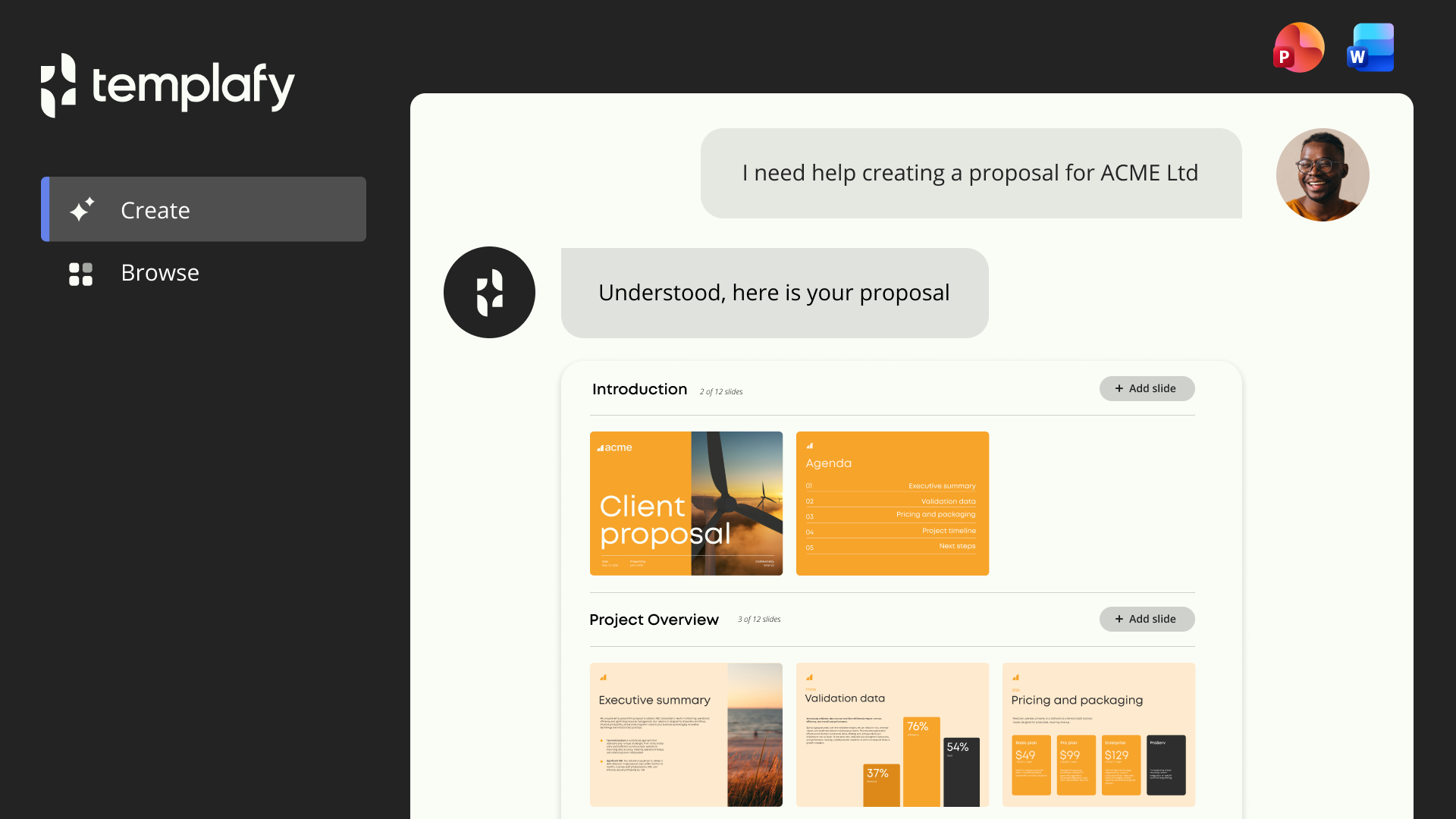
That deck someone sent to a prospect last Tuesday. The proposal that went out with last year's messaging. The pitch built from a template nobody updated. It happens every day, and marketing is the last to know.
Templafy fixes this at the source, before the wrong content ever gets built. Your brand rules, approved content, and compliance guardrails are built into the AI itself.
Every document your team generates follows them automatically, whether they're in PowerPoint, Word, or Google Workspace.
- Every AI-generated document follows your brand rules from the first slide
- No rogue content, outdated messaging, or off-brand assets reaching clients
- 4M+ users at KPMG, PwC, Adobe, Cisco, and Pandora running on it
BDO saved $1.65M in a year. Adobe teams got back 72% of their time. The output your team generates tomorrow will look exactly the way your brand demands it to.
📊 LinkedIn and Google Are Both Betting Bigger on AI for Marketers
Two platforms made meaningful moves this week: LinkedIn gave professionals a way to compare AI models head-to-head, and Google turned its Ads Advisor into something closer to an autonomous campaign manager.
The Breakdown:
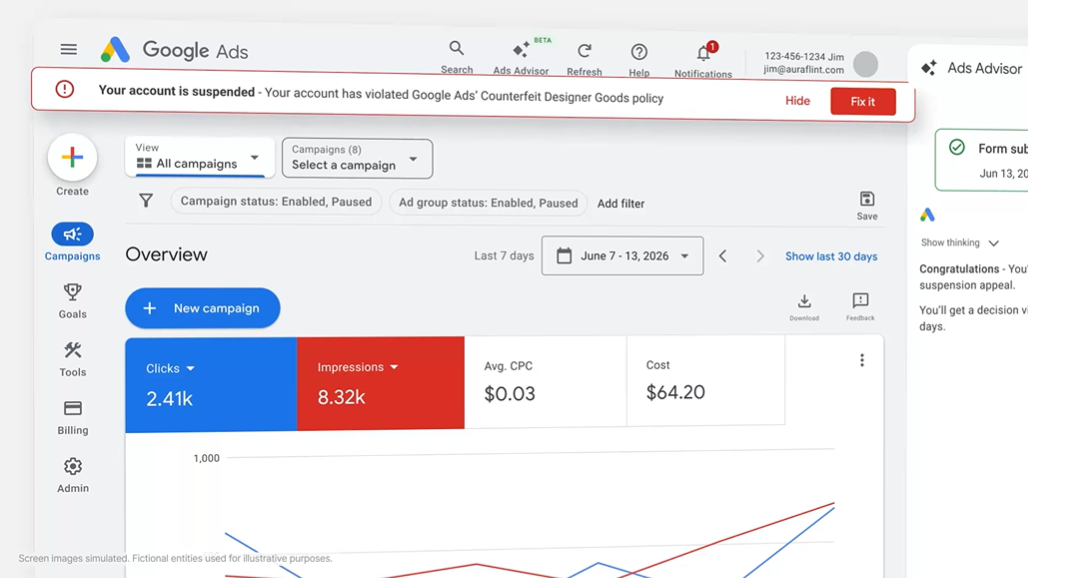
Google's Ads Advisor Is Getting Autonomous - Google updated Ads Advisor with Real-Time Policy Reviews that catch violations as campaigns are being built. The tool can now proactively scan for fixes and act on issues without waiting to be asked.
From Paperwork to One Click - Ads Advisor monitors accounts around the clock for suspicious activity and handles Google certifications automatically. What used to take weeks of paperwork now resolves in a single click with full change history maintained throughout.
LinkedIn Built an AI Taste Test - Crosscheck is LinkedIn's new tool for Premium members in the US that pits AI models from OpenAI, Anthropic, Google, and Microsoft against each other anonymously. Submit a prompt, pick the better response without knowing which model produced it.
The Data Flows Both Ways - Every rating and conversation gets shared back with AI developers to improve their models. Leaderboards show which models consistently win across different professional verticals, giving teams a clearer signal when choosing between tools.
Microsoft has billions invested in OpenAI, raising fair questions about how neutral Crosscheck's leaderboards really are. Separately, 89% of business executives across four countries reported no meaningful productivity gains from AI despite widespread adoption. The tools keep improving. The results are still catching up.
👨💻 Quick Hits
🔁 Maty's hit $0.60 CPC on TikTok Spark Ads, and goPure produced 150 videos at zero cost through product seeding by letting matched creators come to them through Insense. Every collaboration includes lifetime usage rights and unlimited parallel campaigns, all run from one dashboard. Book a free strategy call before April 24 and get $200 toward your first campaign.
🤖 Meta is expanding its AI business assistant globally, enabling advertisers to get real-time support and recommendations in Ads Manager, helping resolve issues faster and reduce cost per result by up to 12%.
🔐 Google Ads introduced App Consent Insights, letting advertisers track consent rates across apps, regions, and platforms, with ratings like “Excellent” or “Poor” to identify gaps impacting campaign measurement and performance.
💸 Google will now pace campaigns to hit full monthly budgets (30.4× daily spend) even with limited schedules, meaning higher spend concentration on active days without changing overall budget caps.
🧩 Google posted a “GEO Partner Manager” role referencing Generative Engine Optimization, signaling internal focus on influencing AI-driven visibility, though it contrasts with Google Search’s stance that traditional SEO remains sufficient.
That’s a wrap for today! Tell us your thoughts about today's content as we line up more Shorts! And don’t hesitate to share this with someone who’d adore it. 🥰