
The Opt In Rate Leverage
😮 Your Opt-In rate isn't measuring your marketing. it's measuring your market, AI search has no single winning content source, and more!
Hey there Smarty 👋
Are you geared up to catch the latest and greatest in quick shorts?
And just a quick heads-up! If you stumbled upon us through a friend, make sure to subscribe here! That way, you’ll never miss out on the trending shorts.

Together with Modash
AI is eating your admin. It shouldn't eat your relationships.
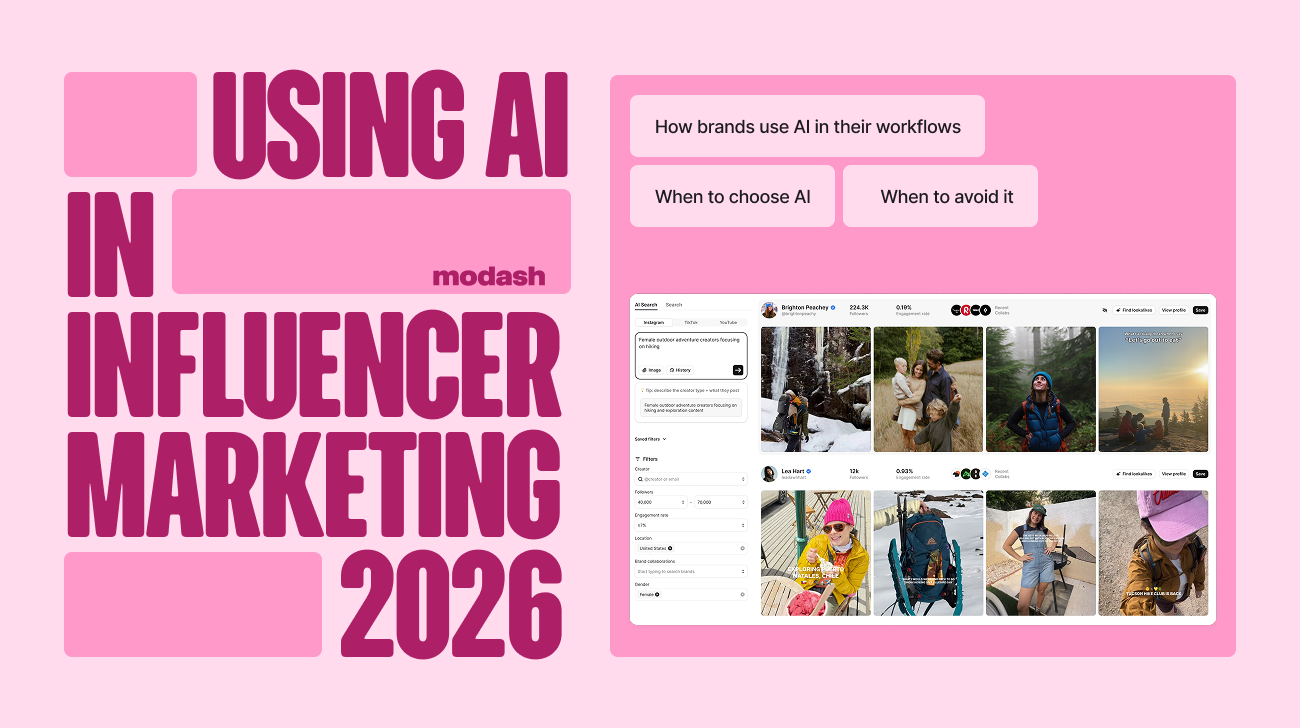
Discovery, outreach, reporting, follow-ups. It never stops. 81.9% of influencer marketers now use AI daily, up from just over half last year.
But here's where most people get it wrong: they automate everything. Creators can smell a robotic outreach message, and once trust is gone, no campaign saves it.
Modash surveyed 50+ professionals to find exactly where AI earns its keep, where handing it over costs you more than the time you saved, and how the operators running serious programs are doing both without losing what makes influencer marketing actually work.
Read the full guide here - non-gated!
😮The Opt In Rate Leverage
Below 25% off, most people weren't convinced by your offer. They were already coming. 10% doesn't move behaviour. 20% starts to. 25% is where an offer actually changes a decision rather than rewards one already made.
Every opt-in below that threshold is ambient demand, people who would have found you anyway. Your popup just took credit.
Reverse-engineer opt-ins by offer sensitivity and traffic source.
Segment your last 90 days of opt-ins by source and cross-reference with the offer they signed up under. Organic search opt-ins at 10% off have near-zero offer sensitivity, intent was already formed before they arrived.
Paid social opt-ins at 10% off are the most expensive subscribers you can acquire:
you paid to reach someone cold, and a below-threshold offer still didn't change their decision. It just confirmed they were already interested.
Run offer depth as a 30-day audience quality test.
Run 25% and 10% simultaneously to different cold traffic segments. Don't look at opt-in rates. Look at 30-day purchase rates per segment.
The 25% group will opt in at lower volume and buy at significantly higher rates, because the offer filtered for people whose decision it actually moved, not people who were ambient.
Split your welcome flow by threshold, not by product.
Sub-threshold opt-ins and threshold opt-ins are functionally different subscribers with different conversion probabilities.
Build two flows with different assumptions:
- The sub-threshold flow starts from near-zero purchase intent and earns conviction slowly.
- The threshold flow skips conviction-building entirely and moves straight to purchase facilitation.
Most brands send both the same sequence and average out the results into a conversion rate that explains nothing.
The list that outperforms isn't the biggest one. It's the one where the offer did actual work before the subscriber arrived.
🤖 AI Search Has No Single Winning Content Source
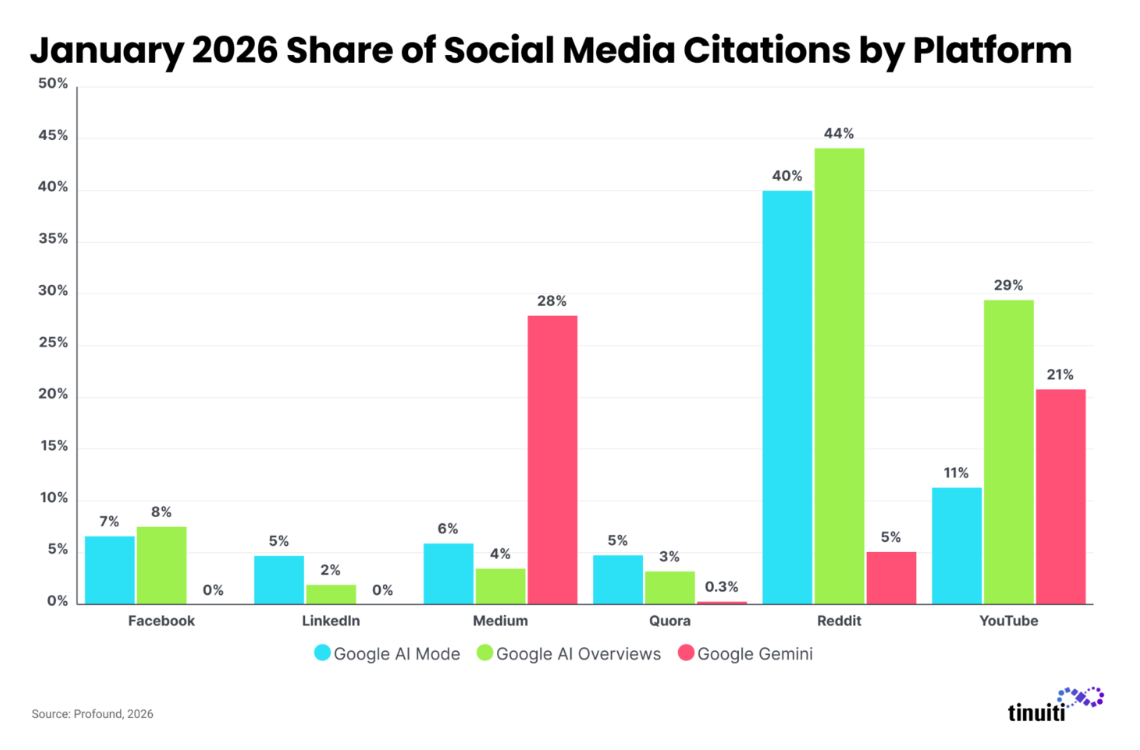
A new analysis from Tinuiti examining AI citation behavior across multiple platforms suggests marketers are drawing the wrong conclusions from headline studies. The report shows that AI models do not rely on a universal set of sources, and citation patterns vary widely depending on platform, industry, and search intent.
The Breakdown:
Reddit Growth Doesn’t Apply to Every Brand - Reddit citations increased roughly 73% across AI platforms, but the growth is highly contextual. Nearly 99% of ChatGPT’s Reddit citations reference individual discussion threads, meaning authentic conversations matter far more than simply having a brand presence.
Citation Patterns Change by Platform and Vertical - Different AI systems cite completely different sources depending on context. For example, Reddit represents 44% of social citations in Google AI Overviews but only about 5% in Gemini.
Google’s AI Products Are Not One Channel - Gemini, AI Mode, and AI Overviews all pull from the web differently, even though they belong to the same company. AI Mode now cites 143% more unique domains than AI Overviews.
Bot Access Decisions Can Shift AI Visibility - Amazon’s decision to block several AI crawlers dramatically reduced its visibility in ChatGPT citations. Walmart, which allows access, has gained citation share there while Amazon still dominates Google AI Overviews.
There is no single platform or content type that guarantees citations. Brands that succeed will not chase trends but instead study how their specific category, customers, and platforms intersect before deciding where to invest.
Together with Norton Neo
Trust-First AI Built Directly Into Your Browser
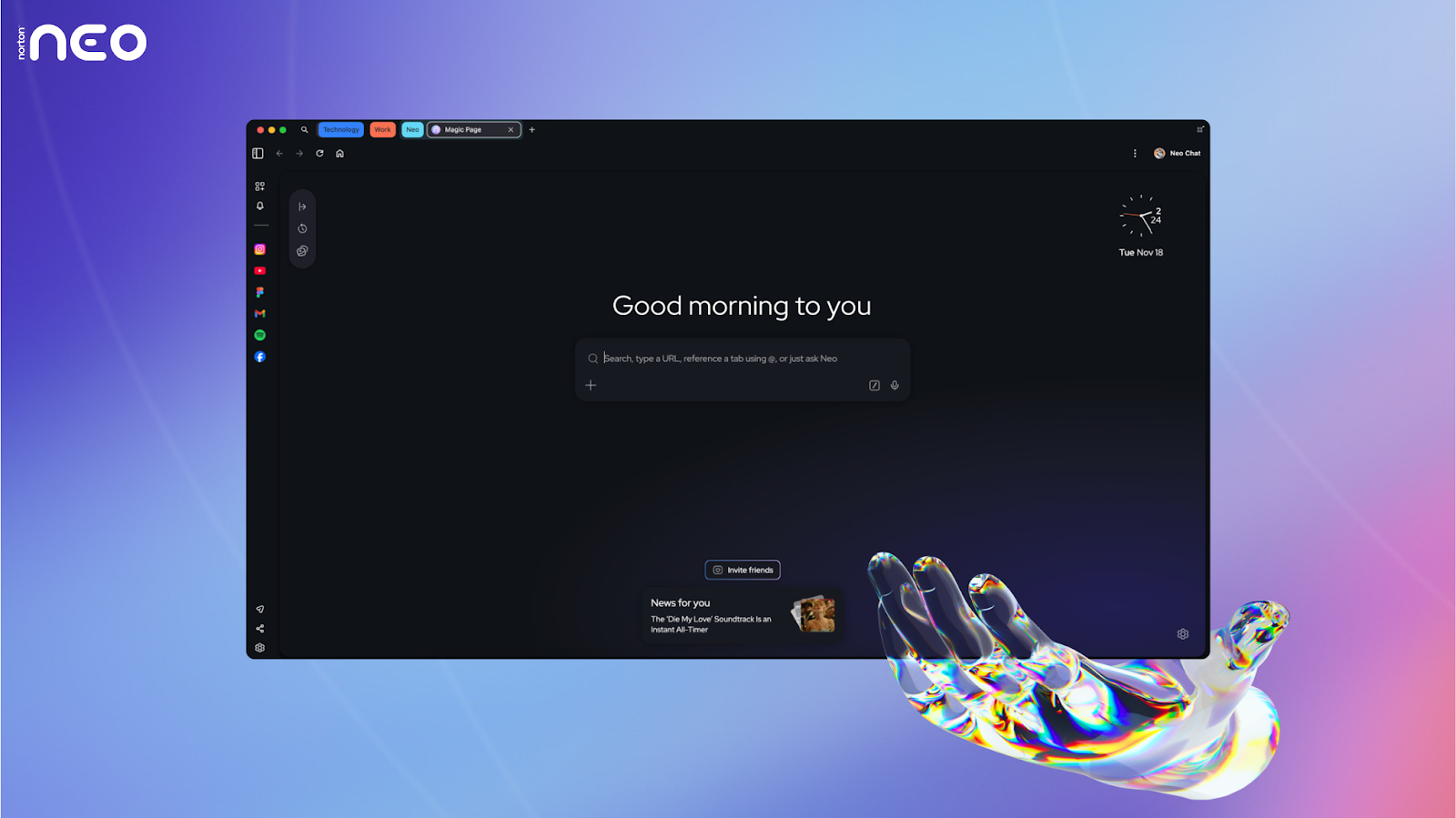
Most AI tools sit on top of your browser. Norton Neo builds AI directly into it.
Norton Neo is the world’s first AI-native browser designed for speed, clarity, and privacy from the ground up.
You browse, search, stream, shop, and work as usual, but with AI that organizes your tabs, adapts to how you work, and helps you move without constant prompting.
- Chats and browsing history remain local, ensuring your data stays private.
- You choose what Neo remembers, or turn memory off anytime.
- Norton Web Shield blocks malicious sites and phishing before you click.
No extra extensions stacking up. No AI tools floating in separate tabs. Just a browser built for how people actually use the web today.
If you want early access to what’s coming next, join the Norton Neo Discord and connect directly with the team building it.
🚀Quick Hits
🎬 Meta's Edits app adds freeze frame, AI-powered personalized sound effects based on video content, and a voiceover teleprompter for narration, continuing its rapid feature expansion since launching last April.
🔎 Google Search Console now natively separates branded vs. non-branded search traffic for all eligible sites, eliminating the need for manual regex filters and making it easier to measure brand demand versus discovery traffic.
🛒 93% of consumers continue shopping with brands that offer personalized experiences. Top purchase triggers include price-drop alerts (85%), back-in-stock notifications (81%), and relevant product recommendations (73%), while 80% ignore irrelevant messages.
🔗 Amazon opened its Shop Direct feature to third-party product feeds, letting brands auto-sync catalogs, pricing, and inventory in real time, displaying their products in Amazon search results with links to purchase directly from brand websites.
That’s a wrap for today! Tell us your thoughts about today's content as we line up more Shorts! And don’t hesitate to share this with someone who’d adore it. 🥰