
The Contextual Override
🔥The real reason native creative is dominating, Google and Microsoft launch new AI tools, and more!
Hey there Smarty 👋
Are you geared up to catch the latest and greatest in quick shorts?
And just a quick heads-up! If you stumbled upon us through a friend, make sure to subscribe here! That way, you’ll never miss out on the trending shorts.

Together with Syncly
The social listening era you know is over.
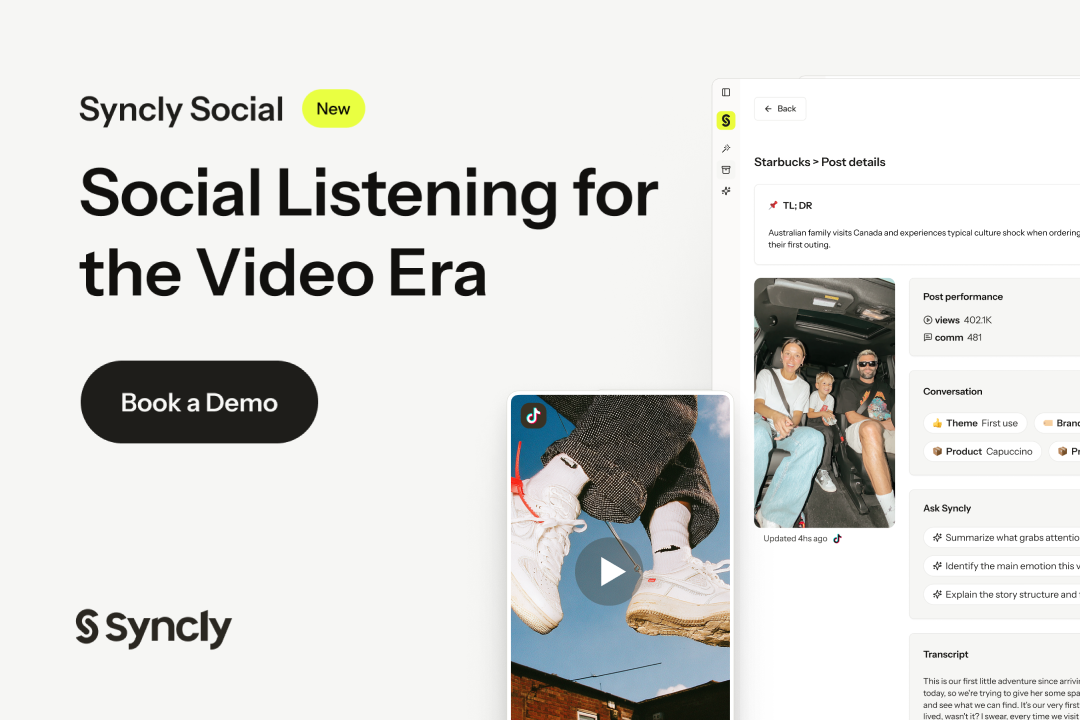
Every day, thousands of TikToks mention your brand, but your tools can’t hear them. They scrape captions while your customers speak in videos. That silence is costing you viral visibility, partnership opportunities, and real revenue.
Syncly Social changes everything. It’s the first AI tool that listens directly to TikTok videos, capturing every spoken brand or product mention, whether tagged or not, in real-time.
- Catch every mention before competitors even notice.
- Spot creators already promoting your brand and turn them into affiliates
- Track competitive sentiment, emerging trends, and viral patterns.
- Filter influencers by race, age, and location for high-precision outreach.
Top operators at Samsung, Tiffany & Co., and Adidas already use Syncly to predict what’s about to trend, not react after it does.
Your market’s voice isn’t written, it’s spoken. And every day you don’t listen, someone else does.
Book a demo call and get your free in-depth TikTok analysis today!
🔥The real reason native creative is dominating
The Contextual Override Effect: The Real Reason Native Creative Is Dominating (And How to Exploit the Gap Before Everyone Catches On)
Let’s stop pretending this is about “raw content performs well.”
That’s a surface symptom. The real shift is far more interesting:
Platforms are now scoring ads based on context integrity, how well your ad mimics the viewing environment at the exact moment it appears.
Not how native it looks in general. Not how “TikTok-y” it feels overall. Not whether it’s UGC or studio.
What matters is whether your ad feels like the specific piece of content the user was consuming right before you appeared.
This is the part almost no one has caught onto yet. TikTok and Meta aren’t just analyzing your video. They’re analyzing the surrounding videos and scoring your ad based on contextual match.
This is the true Contextual Override Effect, and it’s way deeper than “make ads look like content.”
It’s:
➡️ “Make ads feel like the micro-trend the user is currently in.”
The opportunity almost no one is using
Here’s what sophisticated accounts are doing quietly:
1️⃣ “Context Sniping” Building ads based on category-adjacent micro-moments
Instead of matching the platform… You match the preceding scroll behavior. If someone just watched:
- a 7-second cooking ASMR
- a soft-spoken travel POV
- a chaotic meme edit
- a creator confession selfie
- a “things I wish I knew earlier” clip
Your ad should follow that format exactly, not your category norms. You’re not making native content. You’re making context-continuation content. Nobody is doing this systematically yet.
2️⃣ The “Scroll State” Framework (new)
Every platform has 4 scroll states:
- Passive Absorption (soft visuals, calming edits)
- Problem-Solving Mode (“how to,” educational, listicles)
- Social Eavesdropping (confessional, conversational, POV)
- Chaos Stimulation (cuts, memes, explosive energy)
Your ad’s success is tied to how well it aligns with the scroll state the user is in at that moment, not your brand identity.
This is why the same ad performs wildly differently depending on when it’s served. Brands aren’t optimizing for scroll state. But the platforms are.
3️⃣ Dynamic Creative Buckets Based on Scroll State
This is the real performance unlock: You don’t create 50 random ads. You create:
- 5 ads for Passive Absorption
- 5 ads for Problem-Solving
- 5 ads for Eavesdropping
- 5 ads for Chaos Stimulation
Then let the platform self-sort based on current scroll behavior. This consistently produces:
✔️ Lower CPM
✔️ Higher hold rate
✔️ More stable performance
✔️ Less creative fatigue
✔️ Better Advantage+ delivery
Because you’re not fighting the algorithm. You’re feeding its scoring system.
“Looking native” is table stakes.
The real edge is matching user behavior within the last 3–5 seconds before your ad appears. That’s the piece the industry hasn’t caught up to yet. You aren’t designing ads for a platform.
You’re designing ads for the micro-moment right before your insertion. This is what gives you the unfair advantage, not “raw UGC.”
✨ Google and Microsoft Roll Out New AI Creative Tools
Google expanded Demand Gen with new AI image and video tools, while Microsoft launched Copilot-powered image animation to convert static creatives into video. Both updates aim to simplify asset production across ad formats. The rollout reflects rising platform pressure for scalable video-ready creative.
The Breakdown:
1. Google AI Image Tools - Google added Animated Images and Adaptable Designs, which turn static assets into motion variations and branded text layouts while also auto-adjusting aspect ratios so advertisers can scale images across surfaces without manual editing.
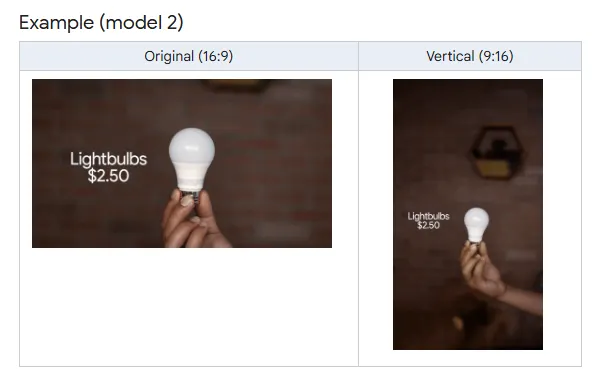
2. Google AI Video Repurposing - Demand Gen now auto-rotates or resizes videos into vertical square or horizontal versions after quality checks and can generate short remixes using key frames, letting a single long asset produce multiple video formats.
3. Microsoft Image Animation - Microsoft’s new Copilot feature converts static images into animated short-form videos, extending the lifespan of strong image creatives and unlocking access to broader video inventory across its publisher network.
4. Microsoft Global Pilot Access - The feature is in worldwide pilot outside mainland China and is available through Ads Studio’s video templates, giving advertisers a simple workflow to enter video without traditional production steps.
Both platforms are reducing the creative lift required to meet video demand by turning existing assets into multi-format outputs. As video continues to dominate inventory, these tools help advertisers keep pace without expanding production budgets. It signals a shift toward AI-first creative pipelines across major ad networks.
Together with Lindy
Most "AI Tools" Talk... Lindy Actually Does the Work
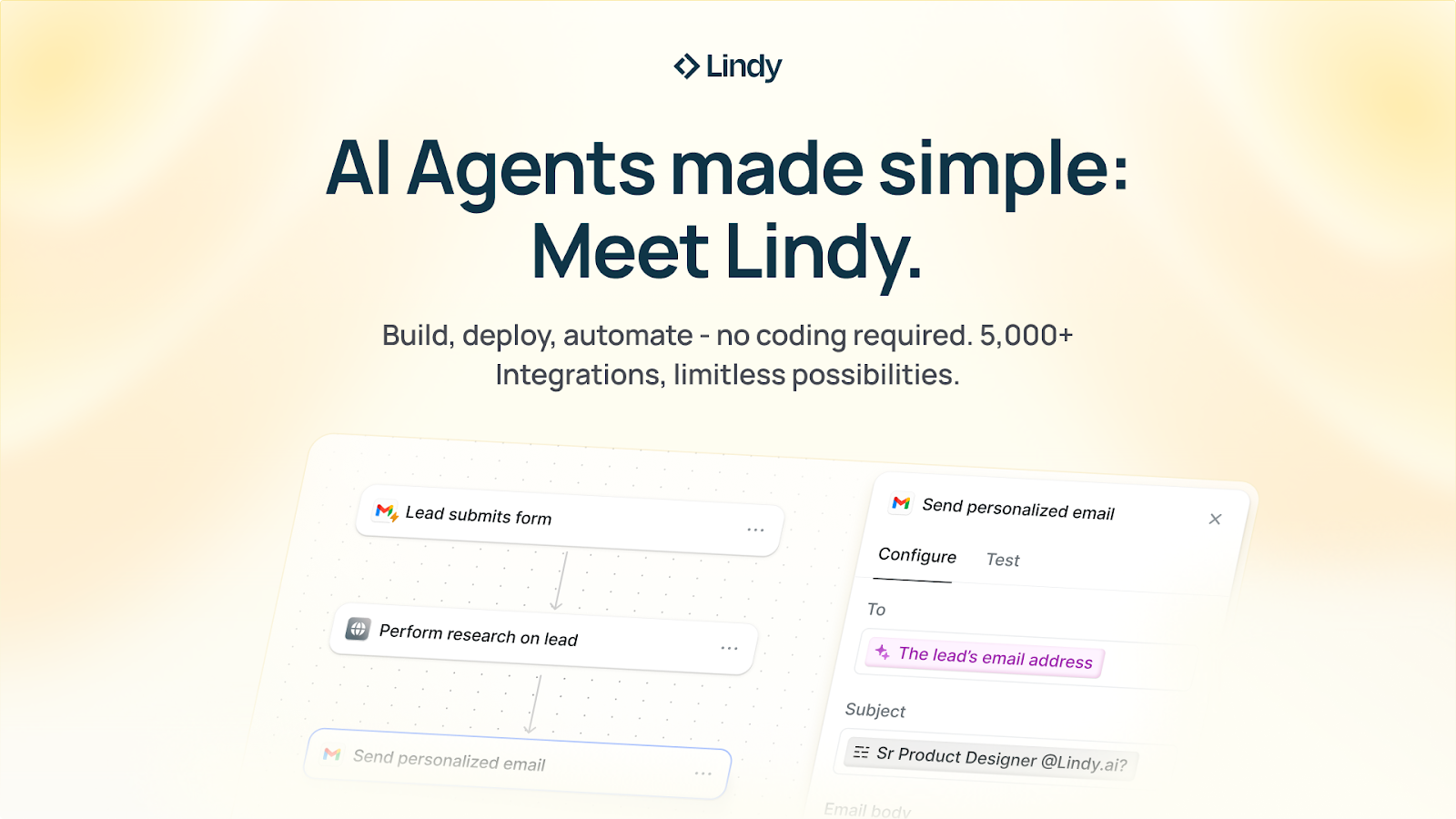
Lindy builds AI agents that handle sales, marketing, support, and ops tasks automatically. Just describe what you need, and Lindy builds it.
Tell Lindy to:
→ “Qualify new inbound leads and send follow-ups”
→ “Summarize every customer chat into HubSpot”
→ “Draft weekly campaign reports from our analytics”
The result: agents that do the busywork while your team focuses on growth.
No coding. No complexity. Just AI employees running 24/7, handling the grunt work so you don't have to.
From booking platforms to lead nurturing, Lindy turns hours of manual work into minutes of automation. Your next hire won't be human; it will be AI.
Get started for free and claim your $20 in bonus credits today!
🚀Quick Hits
📹 Meta is rolling out “Content Protection” on Facebook, automatically scanning for full or partial re-uploads of your Reels and letting creators track, block, or allow matches directly from their dashboard.
📈 Google is testing “Journey Aware Bidding,” a new Search model that optimizes using signals from every funnel stage, improving predictions and rewarding advertisers with clean, fully mapped customer journeys.
📉 New data shows ChatGPT links deliver massive impressions but near-zero traffic, with most publisher URLs getting 0–0.1 percent CTR despite huge visibility, proving AI impressions don’t translate into real clicks.
📌 Google Search Console now lets you add custom annotations to performance charts, making it easier to connect traffic changes to site updates, SEO work, releases, or external events, all inside your reports.
That’s a wrap for today! Tell us your thoughts about today's content as we line up more Shorts! And don’t hesitate to share this with someone who’d adore it. 🥰