
Make them do something before they buy
🤔 You need to give them something to do, Pinterest and LinkedIn both want your budget, and more!

Hey there Smarty 👋
Are you geared up to catch the latest and greatest in quick shorts?
And just a quick heads-up! If you stumbled upon us through a friend, make sure to subscribe here! That way, you’ll never miss out on the trending shorts.

🤔 Make them do something before they buy
A homepage visitor stays for an average of 54 seconds. A skincare brand's six-question skin quiz held them for four minutes, and doubled their email capture rate overnight. The only thing that changed was giving visitors something to do.
That's not a UX trick. That's a revenue strategy hiding in plain sight.
The element beating every hero section for engagement
People don't read websites, they scroll fast until something stops them. Static pages full of benefit statements and product photography give them no reason to slow down. Something playable does.
The moment someone clicks, drags, or interacts with anything on your page, their relationship with it changes. They're no longer browsing. They're participating. And participating visitors convert at a completely different rate than passive ones.
The skincare quiz didn't just hold attention. It collected preference data, personalised the recommendation, and created a natural reason to ask for an email at the end. Every passive scroller became an active participant with a reason to stay.
Where engagement meets email capture
The smartest use of an interactive element isn't just holding attention; it's converting that attention into something owned.
A quiz that ends with a personalised product recommendation and an opt-in. A calculator that shows exactly how much someone would save and delivers the result to an inbox. A tool that requires an email to unlock the full output. Each of these turns an anonymous visitor into a named subscriber at the exact moment their interest is highest.
That's the sequence worth building. Omnisend handles what comes after, automated flows, segmented campaigns, and SMS sequences that turn a first-time subscriber into a repeat buyer.
The interactive element opens the door. Omnisend is what happens inside it. Brands using Omnisend on average make $79 for every $1 spent. Try Omnisend for free
Why this compounds over time
Longer time on site sends a direct signal to Google. Dwell time, scroll depth, and interaction rates all feed into how search algorithms assess page quality. A homepage that holds attention for four minutes performs differently in organic rankings than one people bounce from in 54 seconds.
The interactive element isn't just a conversion tool. It's an SEO asset that gets stronger the more people use it.
What to build if you're starting from zero
You don't need a development sprint to test this. Start with one element:
- A product recommendation quiz with a results page
- A calculator tied to your core value proposition, savings, cost per use, ingredients breakdown
- A simple interactive comparison between your product and the standard alternative
Build it, put it above the fold, and check your heatmap in two weeks. The data will tell you everything.
Your homepage is the most visited real estate you own. Decorating it with static copy is the most expensive mistake brands make quietly.
Together with Delve
Your copilot for compliance is here
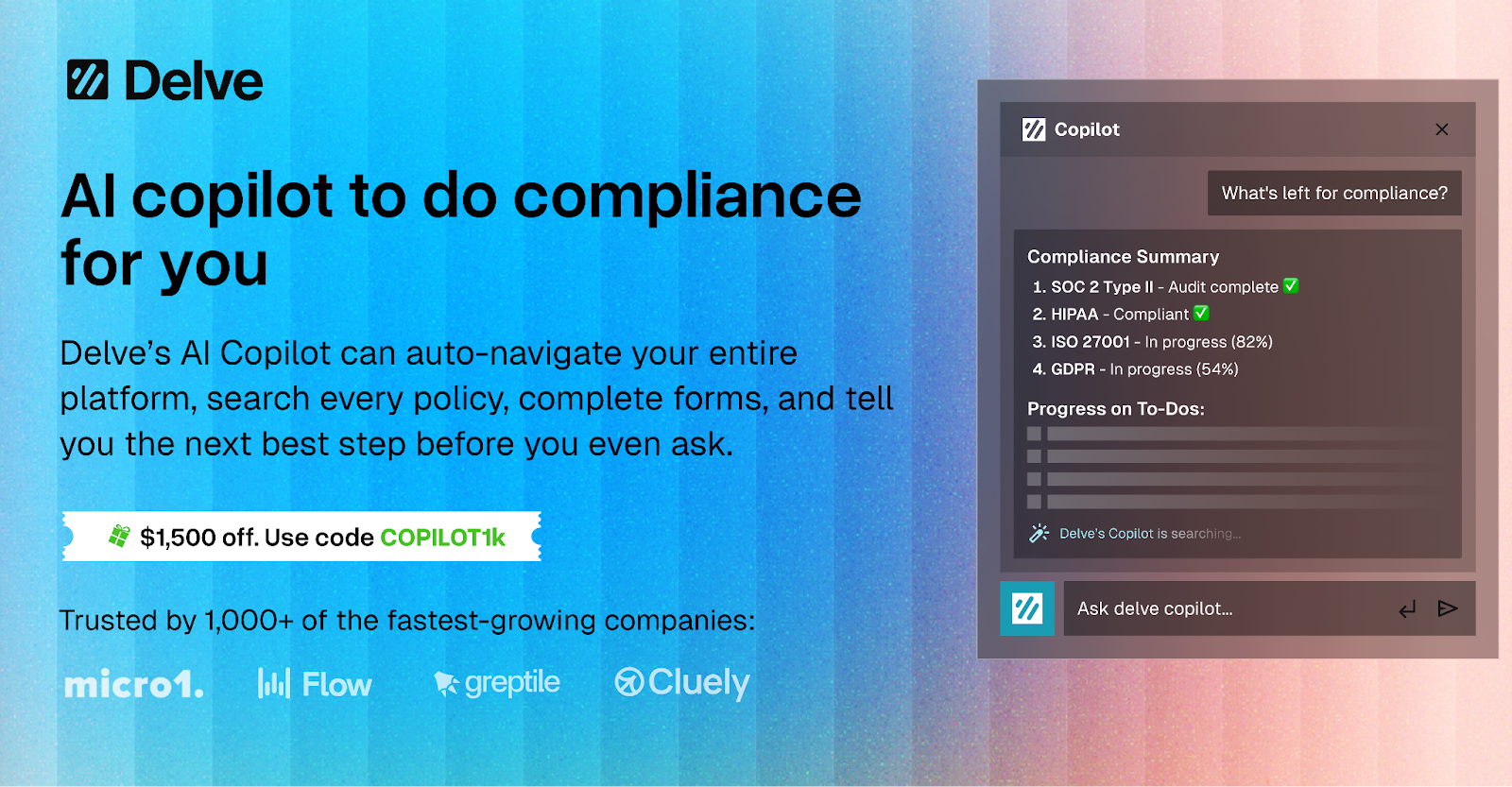
Ever been tired, stuck, and miserably documenting something that feels like AI was born to do? AI finally delivered.
Delve's AI copilot understands your entire tech stack and tells you exactly what to do next. Just ask it "What's my next step? Take me there" and watch Copilot read your screen and start doing tasks for you.
Congrats, you've found the light at the end of the tunnel. Join Wisprflow, 11x, Bland, and more in the future of compliance with Delve.
📌 Pinterest Wants Performance+ as Your Default. LinkedIn Wants Creators in Every Deal.
Pinterest is pushing advertisers toward fully automated campaigns. LinkedIn is making it easier for B2B brands to sponsor creators and buy video placements across premium publishers and CTV.
The Breakdown:
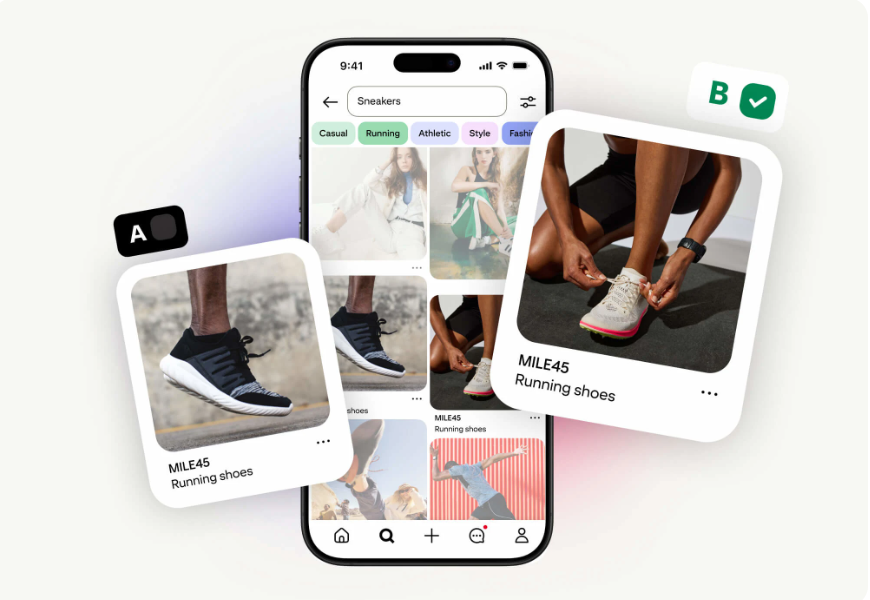
Performance+ Bundles Everything Into One Setup - Pinterest Performance+ combines bidding, budgets, targeting, and creative signals into a single campaign. Internal tests show 10%+ improvement in CPC and CPA, and 78% of A/B comparisons outperformed traditional setups.
Pinterest recommends launching Performance+ alongside your current setup and letting the data decide. New reporting breakdowns by age, gender, geography, and device make it easier to see what's actually driving results.
LinkedIn Rolls Out Top Voices Creator Sponsorships - Brands can now sponsor top LinkedIn creators through Top Voices 360, bundling editorial shows, co-branded posts, and event appearances.
LinkedIn CTV ads are now buyable through Campaign Manager or programmatically via The Trade Desk. 82% of B2B marketers call creator campaigns essential for ROI, and 56% of buyers rely on creators at the final purchase stage.
Pinterest is betting on automation replacing manual campaign work. LinkedIn is betting on trusted voices closing B2B deals. Both are removing friction from ad buying. Test Performance+ if you haven't, and if you're in B2B, creator partnerships are no longer optional.
🚀Quick Hits
🎯 The brands scaling spend right now are not fighting creative fatigue with better visuals; they are changing the source. Nood hit 4x ROAS and Mathnasium cut Meta CPL by 33% in under 30 days, running whitelisted creator and publisher advertorial through Grapevine as one fully managed shop. Book your first campaign strategy session for free.
✨ Instagram now lets users create AI-powered morphing transitions between still photos in Stories, turning image carousels into seamless video sequences. The feature could also double as a way to create Reels without filming.
📰 Google confirmed testing AI rewritten headlines in Search results, sparking publisher backlash over altered tone, meaning, and brand voice. The "small" experiment impacts news sites and could expand, following a similar Discover precedent.
💬 Google is testing AI-generated review replies in Google Business Profile, letting businesses get suggested responses they can edit before posting. The limited test has been spotted in the U.S., Brazil, and India with inconsistent rollout.
🛒 58% of consumers are open to AI shopping assistants, but only 6% have used one. Over half want purchase approval controls, and just 5% start shopping journeys with AI tools compared to 34% using search engines.
That’s a wrap for today! Tell us your thoughts about today's content as we line up more Shorts! And don’t hesitate to share this with someone who’d adore it. 🥰