
Interest dies fast, ownership doesn’t
🫷 Why your “high-intent” leads still stall right before buying, Pinterest just made campaign planning way cleaner, and more!
Hey there Smarty 👋
Are you geared up to catch the latest and greatest in quick shorts?
And just a quick heads-up! If you stumbled upon us through a friend, make sure to subscribe here! That way, you’ll never miss out on the trending shorts.

Together with Insense
HACK: Get 20+ ad variations (per creator) to scale your Q1 ads effortlessly
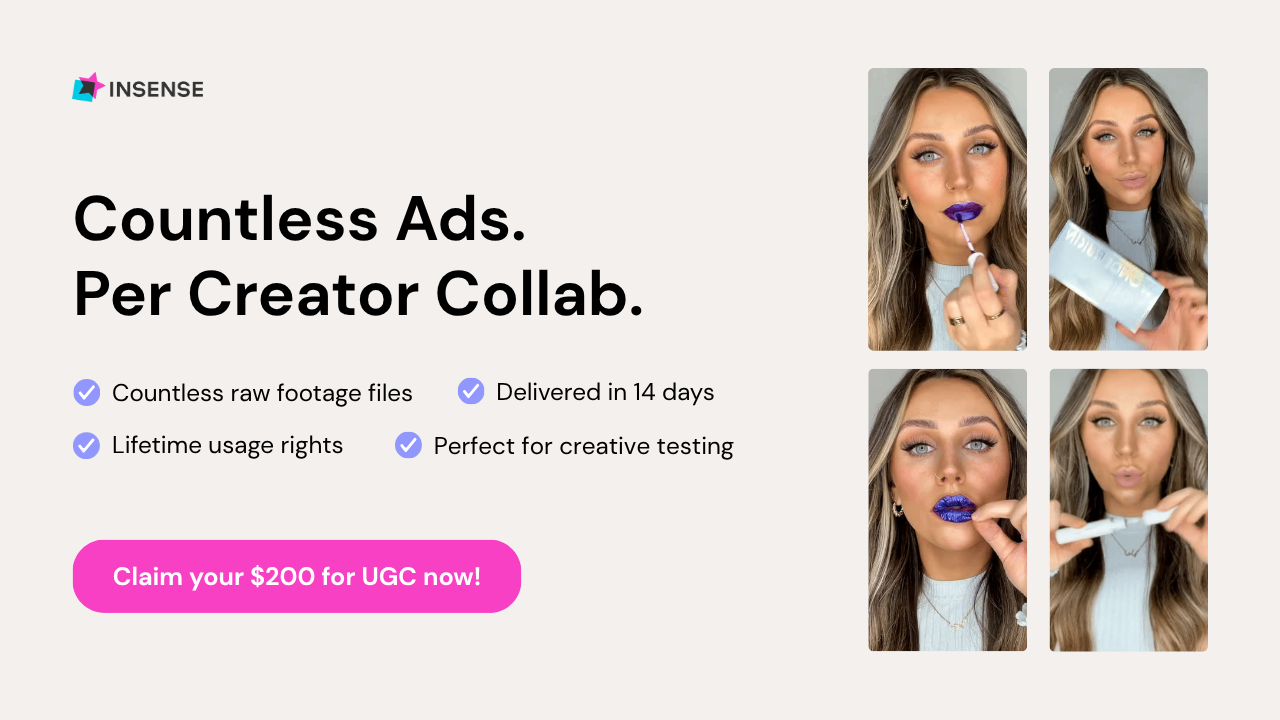
This is the quarter where brands start strong, then performance quietly slips as last quarter’s winners fatigue and CPMs rise again. Doing nothing means wasting January and February spend on creatives that’re already tapped out
This is exactly where Insense saves you. You get fast, affordable UGC at the volume Q1 demands without blowing up your team’s bandwidth.
- 20+ raw assets from each creator you can spin into dozens of variations.
- 14-day turnaround so you never fall behind rising CPMs.
- Lifetime usage rights, so every winning cut keeps earning for months.
- Cost-efficient sourcing that lets you test aggressively
Over 2,000+ brands like Quip, Revolut, and Matys use Insense for one reason: it keeps creative supply high when everything else slows down.
Imagine finishing Q1 with a full folder of fresh ads ready to deploy instead of praying old winners magically revive.
Book a free strategy call by Jan 30th and get $200 for your first campaign.
🪝 Selling Starts When the Customer Feels Like It’s Already Theirs
Interest is easy to create. Ownership is not.
That gap explains why so many leads that look “high-intent” still hesitate, stall, or wait for a discount that never comes. Interest is a feeling. Ownership changes behavior.
Here’s the shift that matters.
When someone accepts a free gift, completes a few intentional steps, and waits for something to arrive, the brain quietly updates the situation. The product moves from something being evaluated to something already possessed. Not legally. Psychologically.
That distinction outperforms most conversion tricks.
This is why micro-commitment flows beat single-step opt-ins in practice. The added steps are not friction in the way marketers usually fear. They are investment markers. Each action reinforces effort already spent, which makes walking away feel like loss instead of neutrality.
What breaks when this is missing becomes obvious downstream.
A basic email popup captures contact information and disappears. The next interaction asks for a purchase with no sense of continuity. When the offer arrives, it feels optional because nothing meaningful preceded it.
Compare that to a flow where the customer actively selects something, completes a short process, and then waits. By the time the follow-up arrives, the decision frame has shifted. They are no longer deciding whether to buy. They are deciding whether to complete something already in motion.
That difference shows up in behavior.
Leads from these flows delay less and negotiate less. Ownership reframes value. Once the brain tags something as “mine in progress,” price sensitivity softens. Discounts feel additive instead of necessary.
There is a real tradeoff.
You will lose some volume at the top. People unwilling to take small steps will drop. That is not leakage. It is filtering. You are selecting for attention and intent, not raw curiosity.
For digital brands, this works best when the “gift” is useful but incomplete on its own. A starter experience, a personalized preview, early access that creates anticipation without resolving the need. If the gift fully satisfies the problem, momentum dies.
This is also where teams go wrong.
They treat micro-commitments as a popup tweak instead of a funnel decision. The power comes from sequencing, not the widget.
Design early interactions to move the customer closer to ownership before asking for money. When you do that, conversions may not spike overnight, but they stabilize. Follow-ups land cleaner. Offers stop feeling abrupt.
You’re not collecting leads. You’re starting commitments. And commitments keep converting long after interest fades.
📌 Pinterest Just Made Campaign Planning Way Cleaner
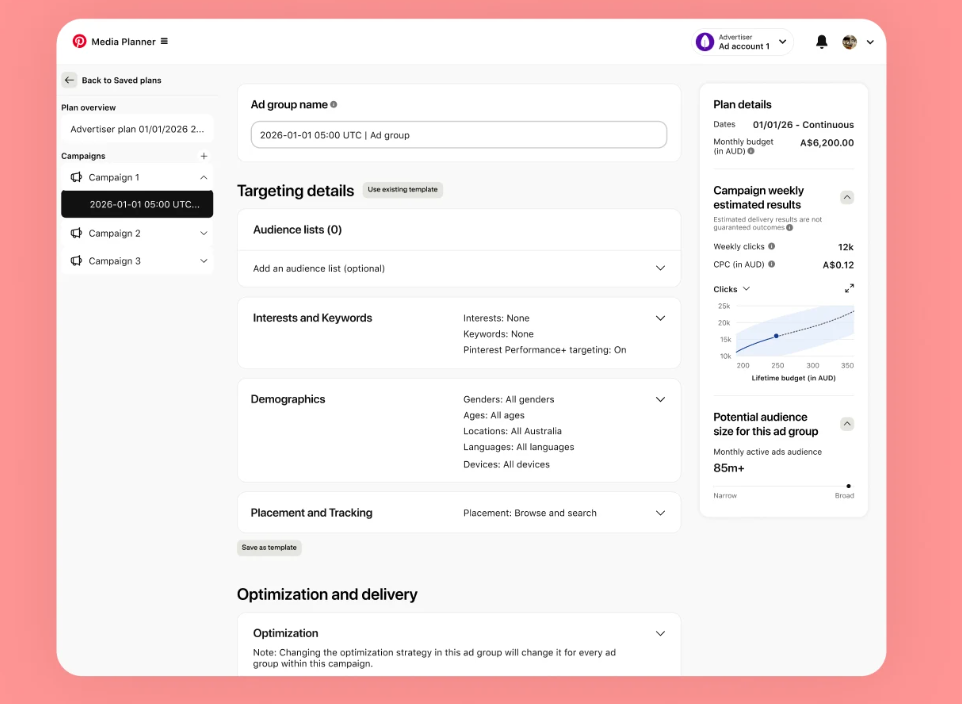
Pinterest just rolled out a new Media Planner inside Ads Manager, and it’s basically built to make campaign setup feel less chaotic and more structured, especially for brands running upper funnel spend.
The Breakdown:
1. Explore audiences before launching - Media Planner helps you discover and size high-value audience segments using Pinterest insights across demographics, interests, and keyword affinities, so targeting feels planned instead of guessed.
The tool lets you preview budget outcomes with projections for impressions, reach, frequency, CPM, plus click and CPC estimates, even broken down by specific countries.
2. Model multiple campaign scenarios - Pinterest now allows scenario planning, where you can compare different budgets, the start and end dates of your ad campaign run, formats, and audience options side by side before committing real spend.
Media Planner is built directly into Ads Manager, giving campaign and ad set oversight with notes, targeting context, and performance estimates in one central place.
Pinterest is clearly trying to make ad buying feel more like real media planning instead of spreadsheet work, and with 600M monthly users searching with shopping intent, this could become a seriously useful planning layer.
Together with The Shift
The Only AI Newsletter Built for Output
Most AI newsletters flood you with tools, headlines, and hype. The Shift does the opposite.
Every issue cuts through the noise to show you what actually works, with real-world breakdowns of workflows, systems, and strategies that use AI to get real results, not just automate busywork.
Plus, get instant access to 3,000+ top tools, vetted prompts, and free courses so you can apply, not just absorb.
If you want less noise and more wins, you belong here.
🚀Quick Hits
🔍 Default tracking makes every brand feel the same. Shipfusion’s clear protein audit found only 2 brands upgraded tracking beyond Shopify defaults, leaving customers in the dark. If you ship products to customers, download the DTC Delivery Files to benchmark what buyers experience.
📊 Google Ads is rolling out Data Exclusions for Performance Max, letting advertisers block specific website visitors or Customer Match lists from targeting, giving far more control beyond simple audience signals.
🎬 Meta’s Edits app just added easier copy-paste for fonts and clips, improved track linking controls, and new effects like reverse and object-based edits.
🔍 Google AI Overviews now send follow-up questions straight into AI Mode, keeping users inside conversational search instead of clicking out, while Gemini 3 becomes the default engine powering AI Overviews globally.
🧪 Google has launched a new Experiment Center in Ads, unifying Experiments and Lift Studies into one dashboard to help advertisers validate strategies, measure impact, and continuously optimize campaign performance.
That’s a wrap for today! Tell us your thoughts about today's content as we line up more Shorts! And don’t hesitate to share this with someone who’d adore it. 🥰