
Google’s forced upgrade
🥲 Google is about to force an upgrade you're not ready for, Google and Pinterest are using AI to help advertisers uncover new growth opportunities, and more!
Hey there Smarty 👋
Are you geared up to catch the latest and greatest in quick shorts?
And just a quick heads-up! If you stumbled upon us through a friend, make sure to subscribe here! That way, you’ll never miss out on the trending shorts.

Together with Dreem
Fashion AI that turns one product image into model shots, product shots, and video.
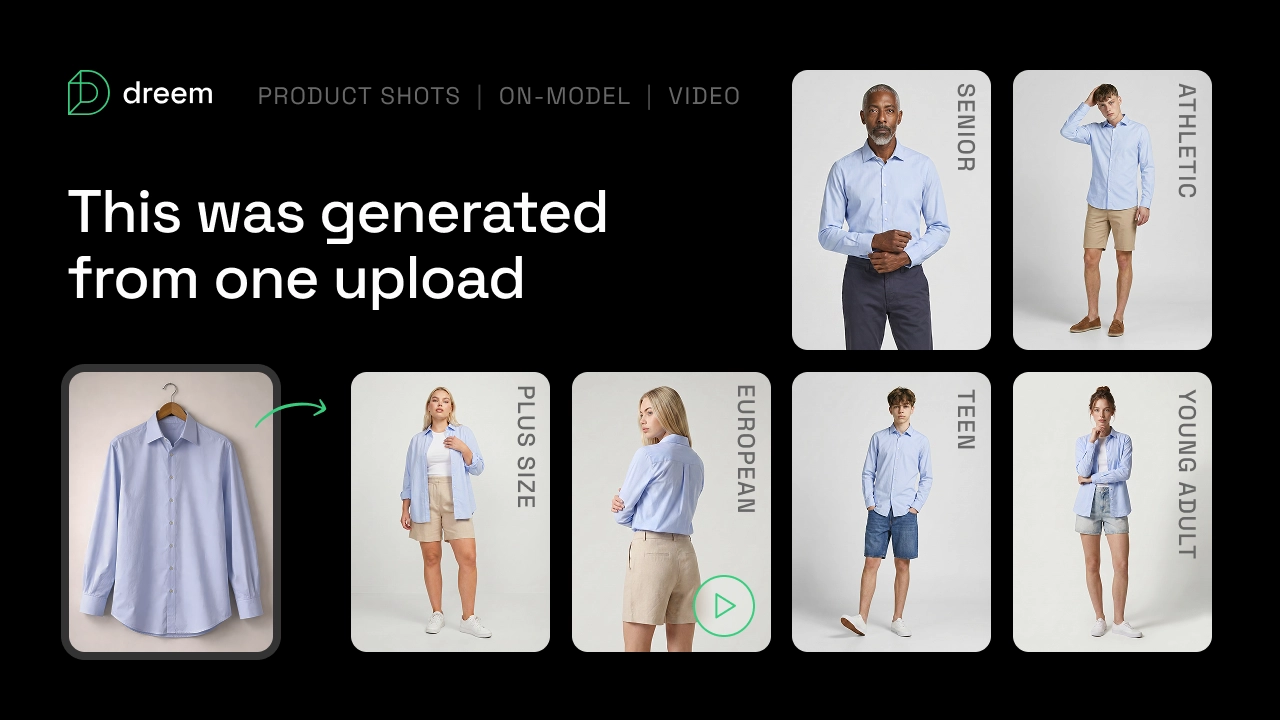
Buyers don't buy clothes. They buy the version of themselves wearing them. When the model on the page doesn't look like the person browsing, the mental picture breaks; they leave. Or they buy, realize it doesn't match, and return it.
Until now, showing your products on diverse models cost more than the conversion lift could justify. So every visitor saw the same model. One body type, one age, one skin tone. One chance to connect.
Dreem changes that.
Upload one product image and get:
- Model shots, product shots, and video from one upload
- 400+ virtual talents across body type, age, and skin tone (or create your own)
- ~$2 per image, matched to each segment
- Works from a phone photo
The person browsing sees themselves in your product. The mental picture holds. They buy. They keep it.
Buyology readers get 600 free credits before July 30.
🥲 Google Is About to Force an Upgrade You're Not Ready For
In September 2026, Google begins forced migration of all remaining Search campaigns to AI Max. The voluntary window closes then. The accounts that won't feel it are the ones that already have a negative keyword governance system built, because AI Max's matching is aggressive enough that without one, it will find budget to spend on queries you'd never consciously target. Here's the system.
Three-Tier Negative Keyword Structure
Account level: Universal exclusions applied across every campaign. Job intent (careers, salary, hiring), DIY and informational modifiers (how-to, free, tutorial), and any query category that structurally never converts for your business. Set these once and forget them.
Campaign level: Intent exclusions specific to that campaign's commercial goal. A campaign targeting buyers doesn't need competitor brand terms or comparison queries unless you're actively bidding on them elsewhere.
Ad group level: Conflict prevention. If you're running multiple keywords in the same account, add each as a negative in every other ad group to prevent cannibalization and split delivery.
The Weekly Review That Keeps It Clean
AI Max tests irrelevant searches for weeks before learning they don't convert, unless you manually prevent it. Weekly review for high-spend campaigns, bi-weekly for lower-spend:
→ Queries with high impressions and zero conversions: add as negatives immediately
→ Close variants with wrong intent: AI Max will keep testing them until you tell it not to
→ Thematically related but commercially irrelevant queries: the most common AI Max budget leak
Pay special attention to phrase match. A campaign targeting "project management software" now regularly surfaces for "project management certification" and "project management job openings" in 2026. Those don't add themselves to your negative list.
The September Deadline
Accounts with 100 to 500 negatives across shared lists, campaign-level, and ad group-level are the ones that absorb the AI Max migration without a CPA spike. Accounts without that infrastructure hand the algorithm a blank check and call the first two months of results a learning phase.
September is closer than it looks.
🚀 Google and Pinterest See the Same Opportunity
Pinterest and Google are rolling out new AI-powered advertising tools designed to help marketers find new customers and scale campaigns more efficiently. The updates focus on automation, smarter targeting, and giving advertisers more ways to capture demand without rebuilding campaigns from scratch.
The Breakdown:
Demand Discovery Features - Google expanded Smart Bidding Exploration, giving campaigns more flexibility to pursue untapped search demand. Advertisers using the feature saw an average 18% increase in unique converting search categories and a 19% increase in conversions.
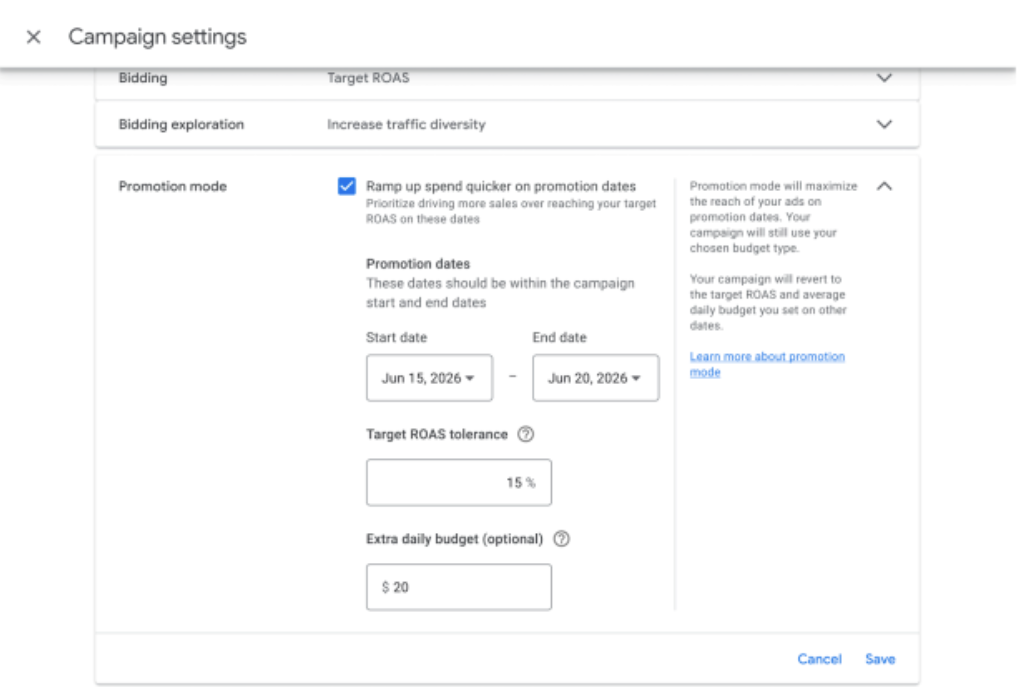
Seasonal Scaling Controls - Google's new Promotion Mode lets advertisers temporarily increase budgets and adjust ROAS targets during launches, holidays, and sales, while improving performance consistency for budget-limited campaigns.
Customer Growth Tools - Pinterest launched Performance+ New Customer Acquisition, allowing advertisers to prioritize finding new buyers by uploading customer lists and assigning higher values to first-time customers. In testing, the feature drove a 64% increase in new-customer conversions.
Faster Campaign Launches - Pinterest also introduced one-click Performance+ Shopping campaigns for eligible Shopify merchants. Brands can now launch AI-optimized Pinterest campaigns directly from Shopify with best practices automatically applied.
Pinterest is making customer acquisition easier for smaller businesses, while Google is giving advertisers more ways to discover demand and scale during key sales periods. The common theme is simple: less manual setup, more automated growth.
💃Events
🔥 What Google's AI Search Update Means For Your Content
Tomorrow | 60 Minutes | Virtual Event
The biggest takeaway from I/O 2026 isn't a new feature. It's a new discovery model. Learn how AI Mode chooses sources, why some content earns citations while other pages get ignored, and the workflows helping brands stay visible as traditional search behavior continues to change.
Can't make it live? Register anyway, you'll get the recordings within 24hours.
👨💻 Quick Hits
🤖 Meta is upgrading Facebook with AI-powered search, content discovery, and photo editing tools. The new AI search surfaces insights from Groups and Reels, while new editing features add AI-generated transitions, collages, and virtual outfit changes to photos.
🎙️ TikTok now bans AI-generated voices and prerecorded audio in shopping livestreams, requiring real-time human interaction, aiming to improve viewer trust and engagement, despite TikTok’s broader push into AI avatars and virtual creators.
📄 Ahrefs analyzed 137,000 domains and found 97% of llms.txt files received zero requests. Most traffic came from SEO tools and scanners, while AI retrieval bots generated just 1% of requests, raising doubts about llms.txt’s current practical value.
🤖 Consumer trust in AI agents is rising fast: 74% would trust an AI agent more than a friend for purchases, 71% expect AI to influence at least half their spending, and 32% are willing to let agents make buying decisions within set preferences and budgets.
That’s a wrap for today! Tell us your thoughts about today's content as we line up more Shorts! And don’t hesitate to share this with someone who’d adore it. 🥰